
Province of Viterbo (Tuscia)
Province of Viterbo in northern Lazio, Italy — geography, history from Etruscan Tuscia to papal times, economy, notable towns and tourist attractions including Lake Bolsena and Etruscan sites.
The Province of Viterbo, known in Italian as Provincia di Viterbo, lies in the northern part of the Lazio region. Its administrative seat is the city of Viterbo, commonly referred to simply as the provincial capital in guides and official references (capital city). The area is often called Tuscia, a historical name that recalls the region's Etruscan past and a distinctive local identity.
Image gallery
6 Images


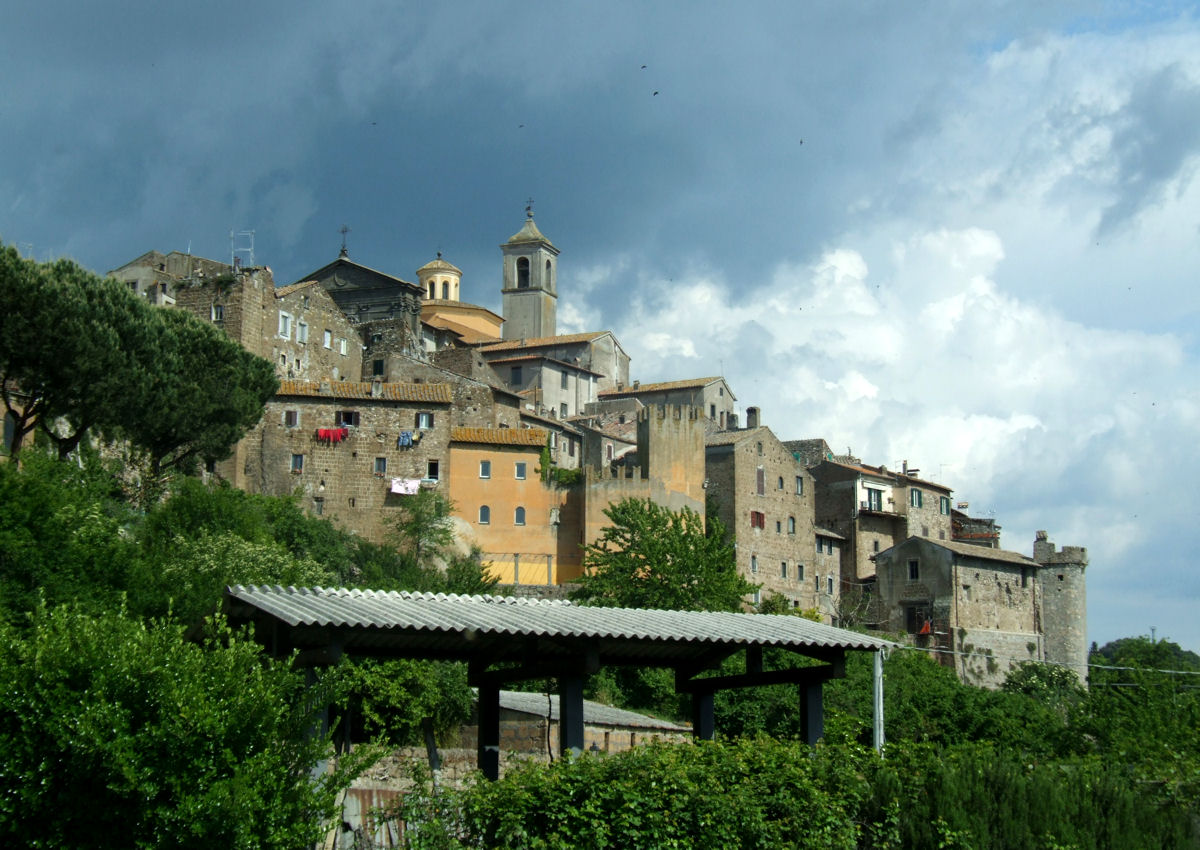


Geography and environment
The province occupies a varied landscape that includes volcanic plateaus, lakes and stretches of agricultural plain. One of the most prominent natural features is a large volcanic lake that shapes local ecology and leisure activities. The territory lies at the northern edge of Lazio and adjoins other central Italian regions, making it a transition zone between coastal and inland environments. Thermal springs and mineral baths are scattered across the area and have supported spa tourism for many years.
History and development
Human settlement in the province dates back to Etruscan times, and traces of that civilization remain visible in archaeological sites and necropolises. During the medieval period the city of Viterbo became important as a regional center and even hosted popes and papal curia for extended periods, leaving a legacy of medieval architecture and civic monuments. Over centuries the area evolved through feudal, papal and modern administrative phases to become the contemporary province recognized within Italy's regional system (provincial administration).
Economy, culture and daily life
Agriculture has long been an economic mainstay, with olive groves, vineyards and mixed crops shaping the rural landscape and local cuisine. Small-scale industry, craft traditions and a growing tourism sector focused on history, nature and thermal spas also contribute to the regional economy. Cultural life mixes religious and folk festivals, local food markets and events that celebrate the province's Etruscan and medieval heritage.
Notable towns and attractions
- Viterbo — a medieval center with a well-preserved historic quarter and papal palace.
- Civita di Bagnoregio — the so-called "dying town" perched on a tuff plateau, famous for dramatic vistas.
- Tarquinia — celebrated for its Etruscan tombs and painted burial chambers, an essential archaeological site.
- Lake Bolsena and surrounding lakeside towns — important for recreation, fishing and nature outings (regional attractions).
Visitors are drawn by the combination of archaeology, medieval architecture, thermal centres and accessible countryside. Conservation of Etruscan remains and the maintenance of historical town centers are among the province's cultural priorities.
Administratively the province forms part of Lazio and plays a distinctive role as the area's link between Rome and the northern central regions. Local identity remains strongly tied to the historical name Tuscia, which appears in tourism literature and cultural references. For practical information on services, municipalities and travel, provincial offices and tourism resources provide up-to-date guidance (Italian name reference, administrative details, capital information).
Questions and answers
Q: Where is the Province of Viterbo located?
A: The Province of Viterbo is located in the Lazio region of Central Italy.
Q: What is the capital of the Province of Viterbo?
A: The capital of the Province of Viterbo is the city of Viterbo.
Q: What is another name for the Province of Viterbo?
A: The Province of Viterbo is also called Tuscia.
Q: What is the region that the Province of Viterbo is located in?
A: The Province of Viterbo is located in the Lazio region of Central Italy.
Q: What language is spoken in the Province of Viterbo?
A: The official language of the Province of Viterbo is Italian.
Q: What kind of area is the Province of Viterbo?
A: The Province of Viterbo is a province in the Lazio region of Central Italy.
Q: What is the significance of the city of Viterbo in the Province of Viterbo?
A: The city of Viterbo is the capital of the Province of Viterbo.
Related articles
Author
AlegsaOnline.com Province of Viterbo (Tuscia) Leandro Alegsa
URL: https://en.alegsaonline.com/art/79726
Sources
- provincia.viterbo.gov.it : "Presidente della Provincia"
- tuttitalia.it : "Provincia di Viterbo"
- demo.istat.it : "Statistiche demografiche ISTAT"
- peakbagger.com : "Monte Cimino, Italy"
- tuttitalia.it : "Comuni in provincia di Viterbo per superficie"