
Province of Cosenza
Administrative province in northern Calabria, southern Italy, noted for its mountains, coastal stretches, historic towns, national parks and a mix of agricultural and touristic economies.
The Province of Cosenza is an administrative area in southern Italy located within the region commonly known as Calabria. It lies in the southern part of Italy and combines coastal plains, river valleys and mountainous plateaus. The city of Cosenza serves as the provincial capital and cultural centre.
Image gallery
2 Images
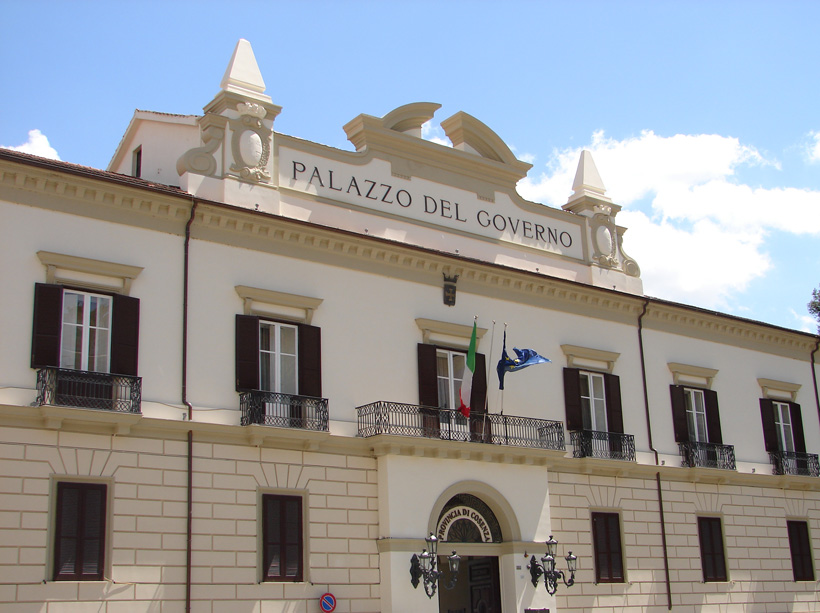
Geography and landscape
Cosenza has varied terrain: beaches and coastal towns face the Tyrrhenian and Ionian seas, while inland areas rise to the Sila plateau and the Pollino massif. Rivers and valleys, including those carved by the Crati and other waterways, support agriculture and settlements. Forests, lakes and highland pastures contrast with Mediterranean scrub and cultivated plains along the littoral.
History and cultural heritage
The province's history reflects ancient Italic communities, Greek and Roman influences, and later Byzantine, Norman and medieval developments. Archaeological remains, medieval centres, churches and fortifications testify to this layered past. Local dialects, crafts, religious festivals and musical and culinary traditions preserve distinct regional identities within Calabria.
Economy and infrastructure
The local economy combines agriculture—olive oil, fruit, cereals and pastoral products—with small industry, services and seasonal tourism. Transport links include regional roads and rail connections that link coastal towns with inland municipalities, while urban centres provide administrative, educational and cultural services.
Tourism, nature and conservation
Cosenza contains parts of protected areas and national parks that attract outdoor recreation such as hiking, wildlife observation and winter sports on higher plateaus. Coastal resorts, historic town centres and cultural events draw visitors interested in heritage and regional cuisine. Conservation efforts focus on balancing visitor use with protection of woodland and mountain habitats.
Administration and main settlements
- Main towns: Cosenza (capital), Rende, Corigliano-Rossano, Castrovillari, Paola, Scalea, Praia a Mare and other municipalities.
- Attractions: sections of the Sila and Pollino parklands, historic churches, castles, coastal promenades and landscapes of archaeological interest.
For readers and researchers, the province offers a compact view of southern Italian geography and history: a region where mountain wilderness meets centuries-old towns and where traditional rural life coexists with growing tourism. Further administrative and visitor information is available through provincial guides and regional resources.
Related articles
Author
AlegsaOnline.com Province of Cosenza Leandro Alegsa
URL: https://en.alegsaonline.com/art/79613