
Action theory (philosophy)
Branch of philosophy examining intentional action, agency, intentions, reasons and causation—how mental states produce bodily movements and how responsibility is assigned.
Overview
Action theory is the philosophical study of actions: what it means to act, how intentions and other mental states relate to bodily movements, and how agents form reasons for what they do. It aims to explain why some bodily motions count as deliberate acts while others are mere behaviors, and how actions fit into explanations in ethics, law and the social sciences.
Image gallery
1 Image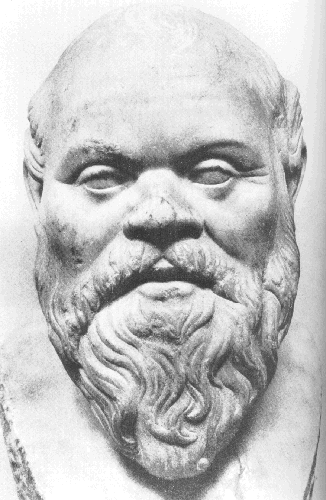
Core components
Analyses of action typically focus on several interconnected elements:
- Intention: the plans, commitments or decisions that guide action.
- Beliefs and desires: background states that motivate or justify actions.
- Causation: how mental states bring about bodily movement.
- Agency and control: capacities enabling an agent to initiate and sustain actions.
History and development
Reflection on action stretches back to ancient thinkers and reappears in modern debates about free will and practical reason. In contemporary analytic philosophy, mid-20th century work revived concentrated study of intention and explanation; influential contributors examined whether reasons can be treated as causes and how to report actions in ordinary language.
Debates, methods and related fields
Central controversies include whether reasons are causal, how to individuate actions (basic vs composite), and how mental causation fits with physicalism. Philosophers use conceptual analysis and thought experiments and increasingly draw on psychology, neuroscience and cognitive science to test claims.
Applications and notable distinctions
Action theory informs discussions of moral and legal responsibility, social explanation and artificial intelligence. Important distinctions include intentional versus unintentional acts, actions as means versus side effects, and actions proper versus mere reactions.
For further reading and resources see philosophy resources.
Tags
Related articles
Author
AlegsaOnline.com Action theory (philosophy) Leandro Alegsa
URL: https://en.alegsaonline.com/art/793