
Princeton, West Virginia
Princeton is a small city in southern West Virginia, the county seat of Mercer County with 6,432 residents at the 2010 census. It functions as a regional service and administrative center within the Bluefield micropolitan area.
Overview
Princeton is a city and the county seat of Mercer County in West Virginia. The population was recorded as 6,432 at the 2010 census. Situated in the southern part of the state, Princeton acts as a local hub for government, services and commerce for the surrounding rural communities.
Image gallery
5 Images



Geography and region
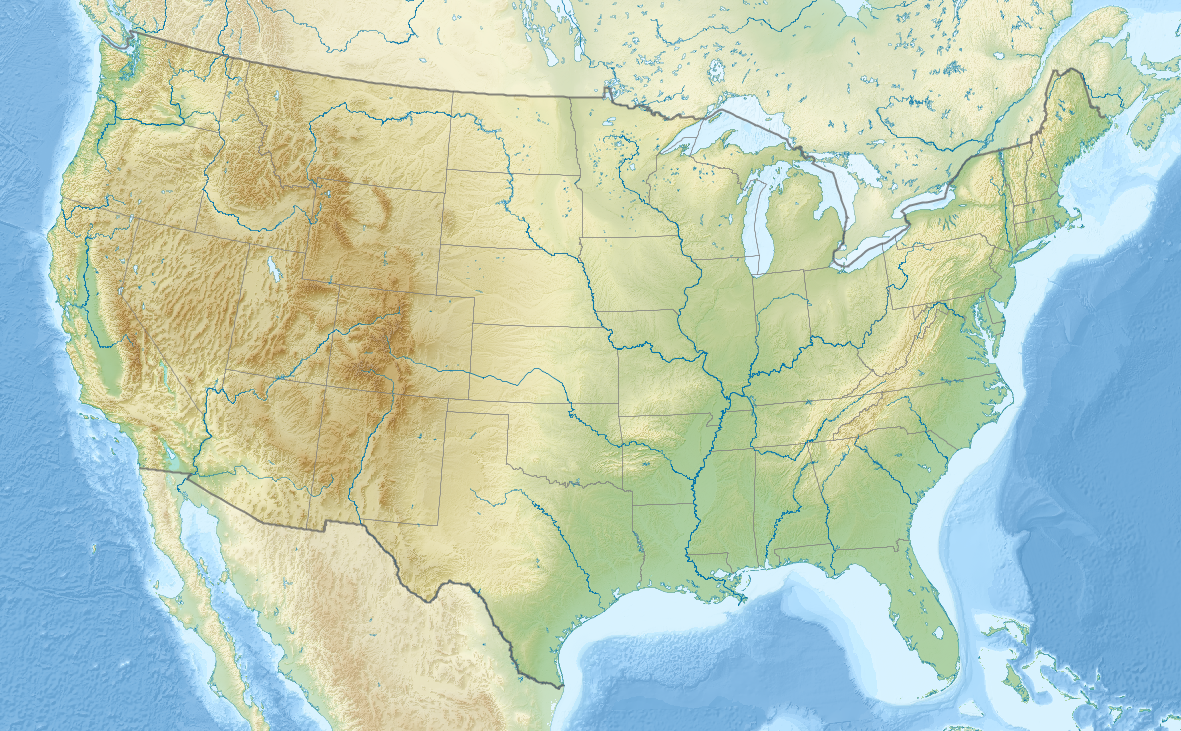
The city lies within the Appalachian highlands and is close to the West Virginia–Virginia border. Princeton is considered part of the larger Bluefield area and participates in regional planning and economic ties as a component of the Bluefield micropolitan area, which is identified as the WV–VA micropolitan area that spans state lines.
History and development
Princeton developed as a county seat and commercial center for Mercer County during the 19th and early 20th centuries. Like many communities in southern West Virginia, its growth was influenced by transportation corridors and extractive industries such as coal and timber, which supported local businesses and population through successive economic cycles.
Characteristics and services
As an administrative center, Princeton hosts county government offices and courts. The city provides a range of services typical of small regional centers, including healthcare, public education, retail trade and civic organizations. Key features include:
- Local government and judicial functions
- Small- to medium-sized retail and service businesses
- Community and cultural institutions serving nearby rural areas
Transportation and economy
Princeton is linked to neighboring towns by regional highways and local road networks, and historically benefited from rail connections that supported freight and commerce. The local economy has diversified from a heavy dependence on extraction to include public administration, healthcare, education and retail employment.
Distinctive role and contemporary outlook
Today Princeton serves as a civic and economic focal point for Mercer County and surrounding communities. As part of the cross‑state micropolitan region, it shares economic ties and planning interests with nearby Virginia towns while continuing to address the common opportunities and challenges of small Appalachian cities.
Related articles
Author
AlegsaOnline.com Princeton, West Virginia Leandro Alegsa
URL: https://en.alegsaonline.com/art/79222
Sources
- naco.org : "Find a County"