
Progressive metal (prog metal)
Progressive metal combines heavy metal intensity with the compositional complexity of progressive rock, emphasizing long forms, technical instrumental work, diverse influences (jazz, classical) and often concept-driven albums.
Progressive metal (often shortened to prog metal) is a metal subgenre that blends the amplified, riff-centered sound of heavy metal with the extended structures and compositional ambition of progressive music. It is characterized by extended song lengths, frequent changes of mood and tempo, and a focus on instrumental skill as much as vocal melody.
Image gallery
4 Images
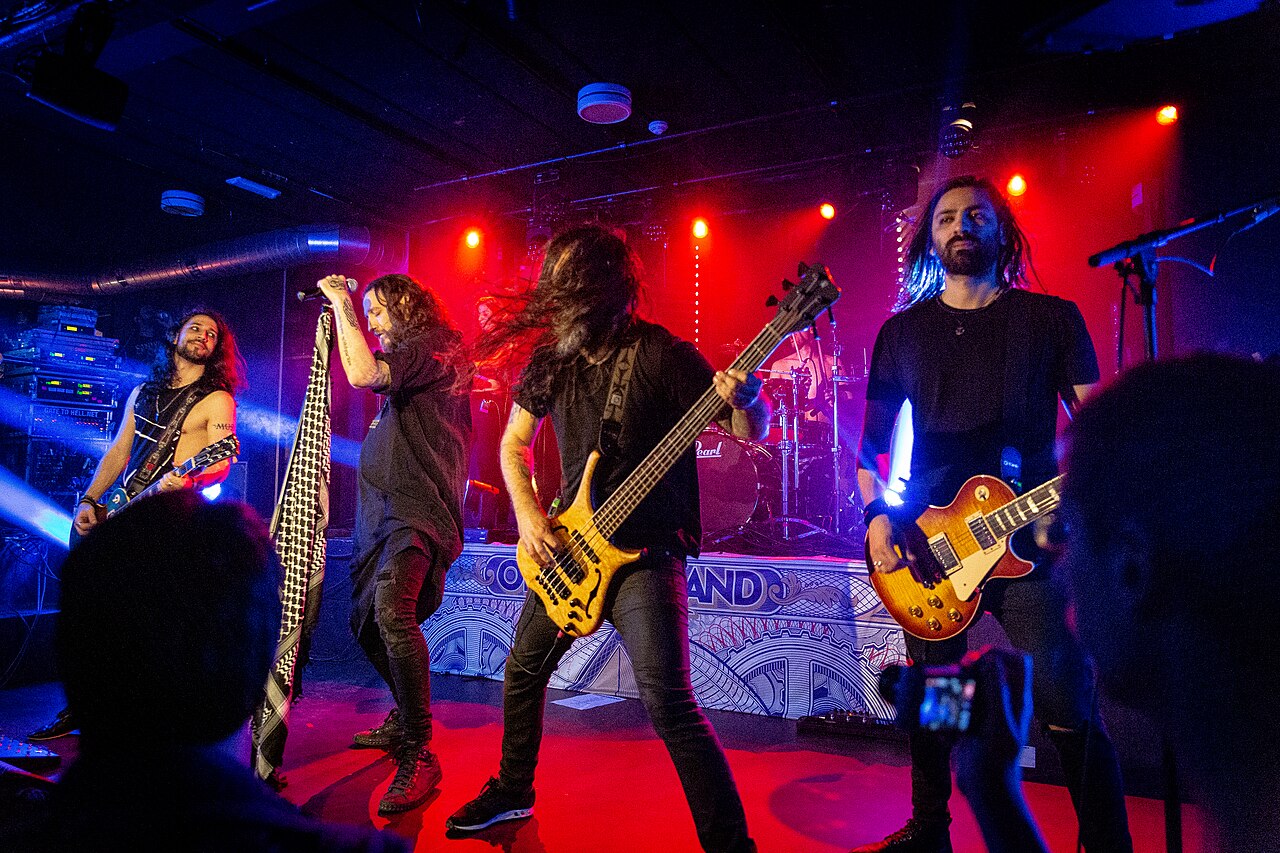


Core characteristics
Prog metal bands typically emphasize technical playing and complex arrangements. Guitarists and rhythm sections use advanced techniques and textures; vocals range from melodic singing to harsher styles depending on the band. Many pieces move beyond verse-chorus forms into multi-section suites and recurring motifs.
Musical elements and influences
- Time and meter: use of odd time signatures, shifting meters and polyrhythms.
- Instrumentation: power and tone from electric guitar work combined with keyboards, orchestration or acoustic passages.
- Stylistic sources: strong links to progressive rock traditions and frequent borrowing from jazz fusion and classical music approaches to harmony and arrangement.
History and development
Progressive metal emerged as musicians sought to combine metal's intensity with the compositional freedom associated with prog rock. Over several decades the style diversified: some artists leaned toward technical virtuosity and prolonged instrumental passages, while others incorporated atmospheric, metalcore, or alternative elements. This evolution produced a range of sounds united by complexity and ambition rather than a single formula.
Uses, presentation, and cultural role
Prog metal frequently appears in concept albums and long-form records where a series of songs form a unified narrative or thematic statement; many artists favor album-oriented listening over singles. Because of its complexity and length, the style is less common on mainstream radio but enjoys strong followings among dedicated listeners, concert audiences, and musicians who value compositional depth.
Notable distinctions and examples
Within the broader category are strands emphasizing classical orchestration, jazz-influenced improvisation, or extreme-metal aggression. Prog metal is often associated with bands who build elaborate albums and technical live performances. Its cross-genre openness has led to ongoing experimentation and crossover with other modern metal forms and progressive music scenes, and many bands use concept-driven albums as a central artistic vehicle, often presenting narratives across multiple tracks or releases (concept albums).
For a general overview of related genres and terms see resources on genre classification and musical technique referenced in music literature and genre guides.
Questions and answers
Q: What is progressive metal?
A: Progressive metal is a sub-genre of heavy metal music that combines the powerful sound of metal with the complexity of progressive rock, influenced by jazz fusion and classical music.
Q: How is progressive metal different from regular metal?
A: Progressive metal is different from regular metal in that it features odd time signatures, complicated instrumental playing, and longer song lengths, often themed in concept albums.
Q: What kind of music is progressive metal influenced by?
A: Progressive metal is influenced by progressive rock, jazz fusion, and classical music.
Q: Why is progressive metal rarely heard on mainstream radio and video programs?
A: Progressive metal is rarely heard on mainstream radio and video programs because of its complex and niche style, which may not have wide appeal to mainstream listeners.
Q: What kind of bands play progressive metal music?
A: Bands that play progressive metal music include Dream Theater, Opeth, Mastodon, Tool, and Between the Buried and Me.
Q: What is concept album?
A: A concept album is an album that tells a story or explores a particular theme or concept, with songs that are often linked together thematically.
Q: Why is the guitar sound important in progressive metal music?
A: The guitar sound is important in progressive metal music because it drives the heavy sound of metal and complements the intricate instrumentation and odd time signatures of progressive rock.
Related articles
Author
AlegsaOnline.com Progressive metal (prog metal) Leandro Alegsa
URL: https://en.alegsaonline.com/art/79388
Sources
- progarchives.com : Progressive Metal