
Port Gibson, Mississippi — Overview, History, and Notable Features
Port Gibson, county seat of Claiborne County, Mississippi: a small river-town with antebellum architecture, Civil War history, and a preserved historic district attracting heritage tourism.
Port Gibson is a small city in Claiborne County, Mississippi, in the United States. It serves as the county seat and was recorded as having 1,567 residents at the 2010 census (census). The community retains a compact downtown, a number of well-preserved 19th-century buildings, and a landscape shaped by its location near the Mississippi River and regional transportation routes.
Image gallery
4 Images

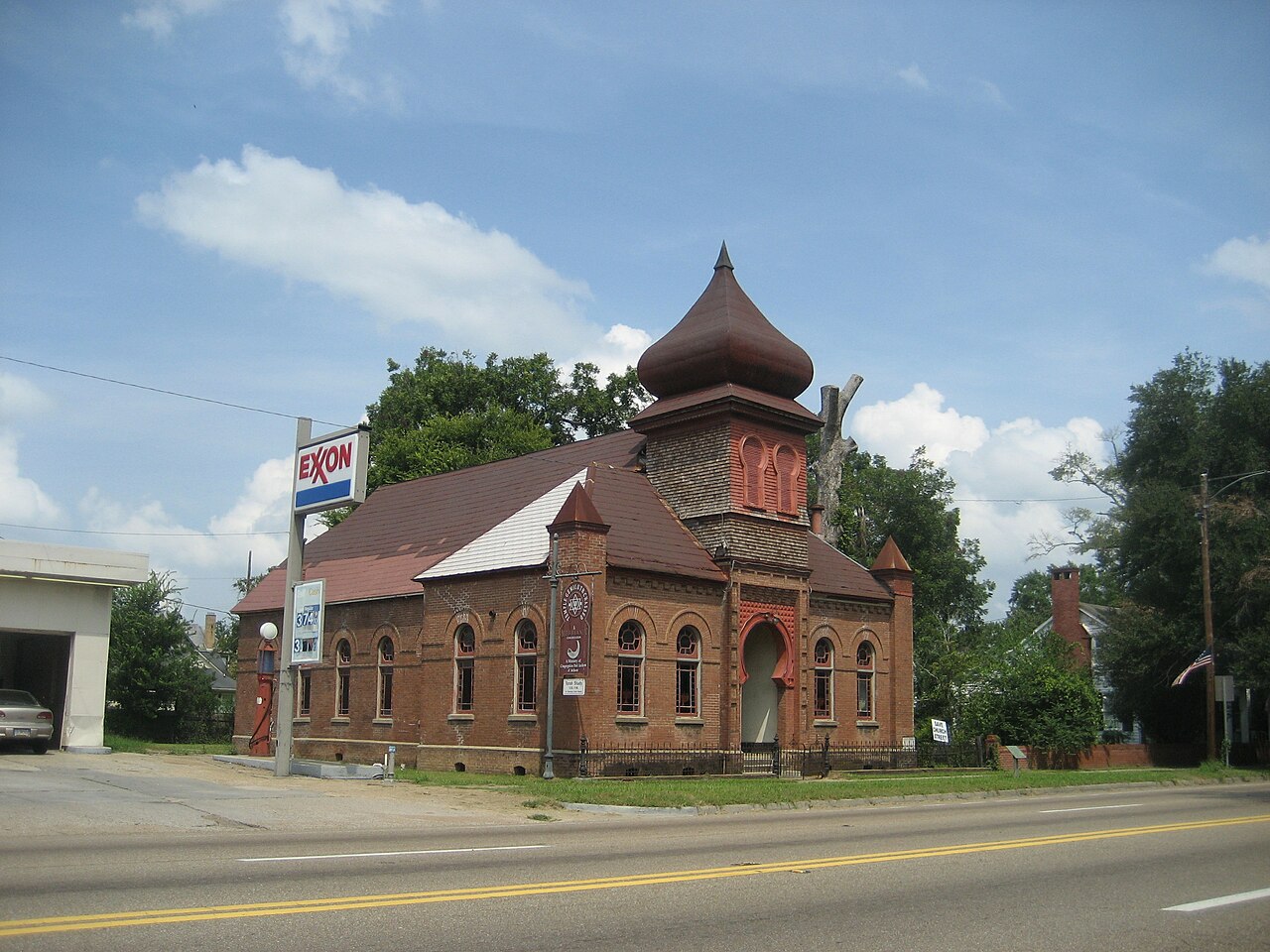

Characteristics and architecture
Port Gibson is noted for its concentration of antebellum homes, public buildings, and churches. Many structures display Greek Revival and Victorian details. The town center includes civic buildings and older commercial blocks, while surrounding neighborhoods reflect the agricultural and small-town development typical of the region.
History
Settled in the early 19th century as a river port and trading center, Port Gibson grew with the plantation economy of the Mississippi region. During the Civil War the area saw military activity tied to the Vicksburg Campaign; local lore and written accounts emphasize the town's survival amid regional destruction. Its role as a county seat helped retain governmental and legal institutions through Reconstruction and the 20th century.
Economy, culture, and importance
Historically dependent on agriculture and river commerce, Port Gibson's modern economy blends local services, government employment, and heritage tourism. Festivals, preservation efforts, and visits to historic sites contribute to the town's cultural life. Community institutions such as churches and schools remain focal points for residents.
Notable sites
- Historic downtown and courthouse area, reflecting 19th-century civic architecture (see county seat references).
- Antebellum residences and preserved churches that attract architecture enthusiasts.
- Nearby ruins and historic properties associated with the region's plantation era and Civil War events.
Port Gibson's combination of historical architecture, Civil War connections, and civic continuity make it a point of interest for visitors exploring Mississippi's riverine and antebellum heritage. For further reading on the county and regional context, see county and state resources linked above.
Related articles
Author
AlegsaOnline.com Port Gibson, Mississippi — Overview, History, and Notable Features Leandro Alegsa
URL: https://en.alegsaonline.com/art/78197
Sources
- factfinder2.census.gov : "Profile of General Population and Housing Characteristics: 2010 Demographic Profile Data (DP-1): Port Gibson city, Mississippi"
- naco.org : "Find a County"