
Pori, Finland
Pori is a coastal city in western Finland, noted for its river delta, long Yyteri sand beach, industrial and cultural history, and the internationally known Pori Jazz festival.
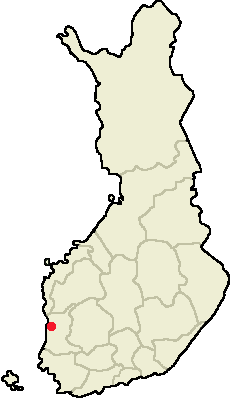
Pori is a city Pori in the west of Finland. It lies near the mouth of the Kokemäenjoki river on the Gulf of Bothnia and serves as a regional centre of Satakunta. As of 31 August 2012 the city had a population of 83,364 and covers 859.60 square kilometres excluding sea areas.
Image gallery
10 Images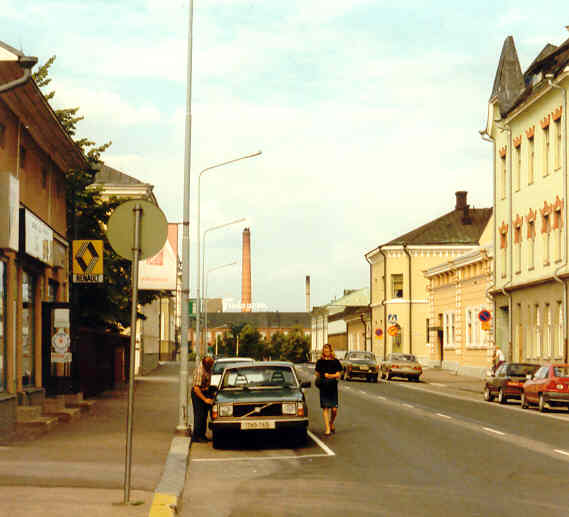


Overview
Pori combines urban services with coastal and river landscapes. The city has both port functions and inland industry, and a mixture of residential neighbourhoods, parks and protected natural areas. Its location on a river delta has shaped local ecology, transport routes and settlement patterns.
History and development
Pori traces its formal origins to the 16th century when it received town rights and grew as a trading place. Over the centuries the town developed commerce and crafts, later adding industrial activities linked to timber, paper and metalworking. Urban architecture reflects periods of rebuilding after fires and phases of 19th- and 20th-century growth.
Geography, nature and recreation
The surrounding landscape includes river deltas, islands and an archipelago. One of the city's best-known natural attractions is Yyteri, a long sandy beach popular for swimming, dunes and coastal recreation. Local wetlands and shorelines support birdlife and outdoor activities such as hiking and boating.
Culture, events and attractions
Pori hosts cultural institutions, concerts and festivals. The most internationally recognised event is the Pori Jazz festival, which draws artists and visitors annually and highlights the city on the world music map. Other cultural sites and museums document regional history and art.
Economy and transport
- Economy: a mix of service sectors, manufacturing and forest-industry related activities.
- Transport: road and rail connections link Pori to other Finnish cities; a harbour handles coastal shipping.
- Recreation: beaches, parks and waterways contribute to tourism and local quality of life.
Notable distinctions include Pori's river-delta setting and its long sandy coast within Finnish standards. For further general information see local municipal resources and national overviews via the linked pages above.
Related articles
Author
AlegsaOnline.com Pori, Finland Leandro Alegsa
URL: https://en.alegsaonline.com/art/78149