
Pontevedra — city in Galicia, Spain
Pontevedra is a city and provincial capital in Galicia, north‑west Spain. Known for its historic center, riverside setting on the Lérez and pioneering pedestrian urban planning, it anchors the Rías Baixas region.
Pontevedra is a coastal city in north‑western Spain and the administrative capital of the Province of Pontevedra and its comarca. Located in the autonomous community of Galicia, it lies beside the estuary of the river Lérez within the Rías Baixas area. The name derives from the Galician and Spanish words for "bridge" (ponte) and refers to a historic crossing that helped the settlement grow into a regional center for administration, commerce and culture.
Image gallery
2 Images
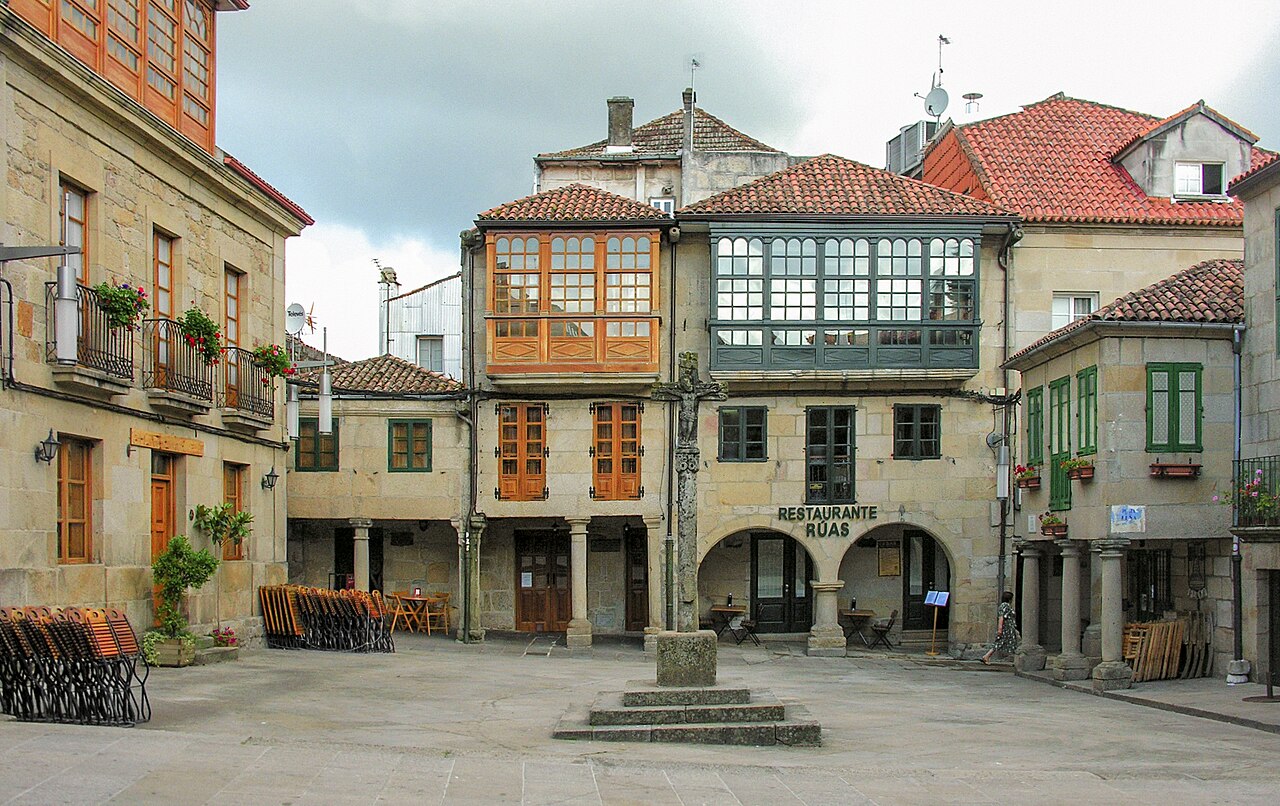
Geography and urban character
The city sits at a sheltered inlet of the Atlantic and combines a compact medieval core with more modern districts along the riverbanks. Narrow lanes, stone plazas and churches concentrate in the old town, while parks and promenades open toward the estuary. Pontevedra's river and proximity to coastal rias have influenced its maritime traditions, fish markets and local gastronomy.
History and development
Human presence in the area predates the medieval period, with evidence of Roman and early medieval activity in the region. During the Middle Ages Pontevedra grew as a pilgrimage stop and a trading port on routes that linked Galicia with the rest of Iberia and the Atlantic world. Over centuries its fortunes rose and fell with maritime trade, and the historic fabric of the city preserves Romanesque and Gothic churches, convents and public squares.
Pontevedra hosts several cultural institutions, museums and festivals that reflect Galician heritage. Local cuisine emphasizes seafood, shellfish and wines from the Rías Baixas denomination. The city is also a provincial administrative hub and provides services, education and light industry for the surrounding rural and coastal areas.
Notable landmarks and attractions
- Basilica and plaza complexes in the old town, with well‑preserved stone architecture.
- Medieval bridge(s) over the Lérez that gave the town its name and shaped its layout.
- Museums and archaeological sites documenting regional history and maritime life.
- Riverside promenades and access points to the Rías Baixas coast.
For visitors the compactness of the center makes it pleasant for walking and exploring historic squares, shops and taverns. Practical information and visitor resources may be found through municipal and regional guides; local portals and tourist pages provide schedules, maps and event listings (city tourism, regional information).
In recent decades Pontevedra has gained attention for policies that prioritize pedestrians and public space over vehicular traffic, leading to wide pedestrian areas and a reputation as a livable small city in Europe. Its combination of historic heritage, riverine setting and civic planning makes Pontevedra a notable example of a medium‑sized Galician urban center.
Related articles
Author
AlegsaOnline.com Pontevedra — city in Galicia, Spain Leandro Alegsa
URL: https://en.alegsaonline.com/art/77974
Sources
- pontevedra.eu : Concello de Pontevedra, Introduction to Pontevedra