
Pont-d'Ouilly: commune in Calvados, Normandy
Pont-d'Ouilly is a small commune in the Calvados department of Normandy, France, noted as an access point to the Suisse Normande landscape and a center for river-based outdoor recreation.
Overview
Pont-d'Ouilly is a commune in the Calvados department in northwestern France. Historically associated with the former region of Basse-Normandie, it now lies within the administrative region of Normandy. The town takes its name from a bridge (pont) that spans a local watercourse and has long been a local crossing and settlement point.
Image gallery
1 Image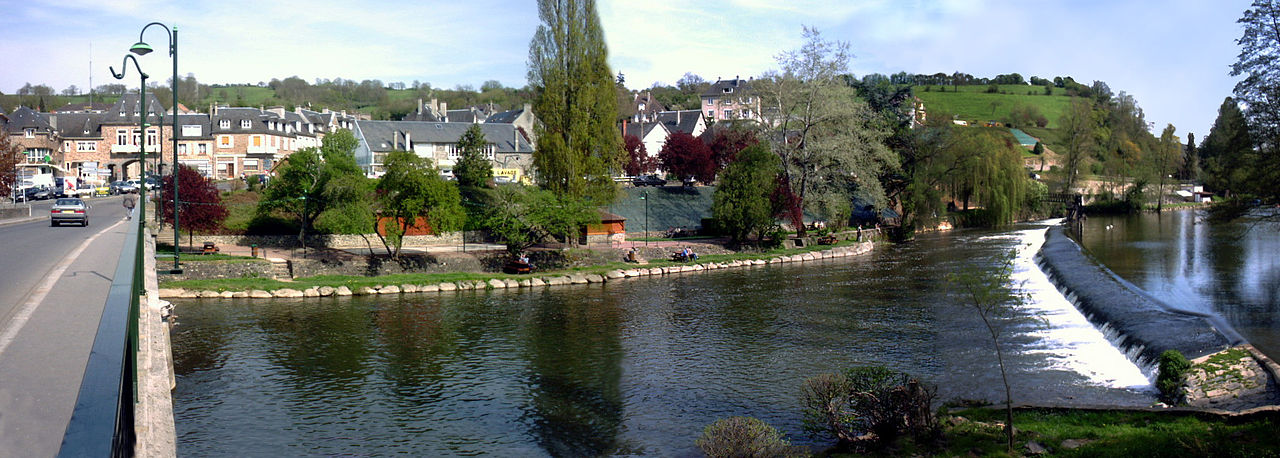
Geography and environment
Located on the banks of the Orne valley and close to the area commonly called the "Suisse Normande," Pont-d'Ouilly occupies a landscape of wooded hills, river cliffs and meadows. Its temperate oceanic climate brings mild winters and moderate summers, and the surrounding countryside is used for mixed farming, small woodlands and recreational trails. Road and regional transport links connect the commune to larger towns and cities in Normandy.
History and development
Like many small French communes, Pont-d'Ouilly grew up around a strategic river crossing and local rural economy. Over centuries the settlement evolved from a riverside hamlet to a village with services for agriculture, trade and river navigation. Architectural traces of older periods, local churches and vernacular houses reflect this gradual development.
Economy, leisure and tourism
The local economy combines agriculture, small businesses and a seasonal tourism sector. Outdoor activities are a major draw: the Orne river provides opportunities for canoeing and kayaking, while nearby hills attract walkers, climbers and cyclists. Visitors often use the village as a base for exploring the scenic valleys of Suisse Normande and the broader cultural heritage of Calvados.
Practical information
- Transport: local roads and regional services link Pont-d'Ouilly to surrounding communes and departmental centers; visitors should consult regional timetables.
- Activities: river sports, hiking routes and countryside drives are popular in warmer months.
- Further reading: administrative, historical and tourist resources are available from local offices and regional guides.
For administrative details and local services see the commune notice and regional pages: regional info, departmental details and tourist resources.
Related articles
Author
AlegsaOnline.com Pont-d'Ouilly: commune in Calvados, Normandy Leandro Alegsa
URL: https://en.alegsaonline.com/art/77951