
Avery, Idaho — small unincorporated community in northern Idaho
Avery is an unincorporated community in northern Idaho, United States, known for its railroad heritage, mountain setting and outdoor recreation opportunities near forests and rivers.
Avery is an unincorporated community in northern Idaho within the United States. The settlement developed where transportation corridors and mountain valleys meet, and it remains a compact, rural locality with a history tied to rail and road links that opened the region to logging, mining and travel. For local information see Avery community page.
Image gallery
2 Images
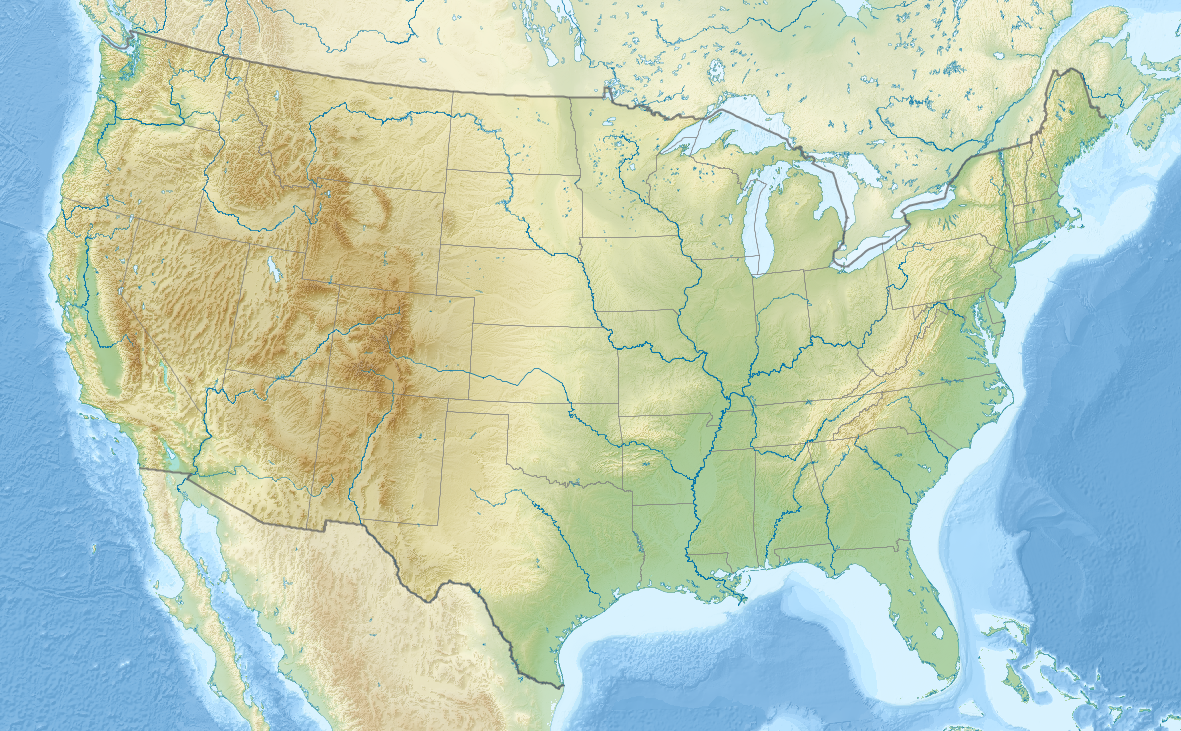
Overview
Avery functions as a small service and residential center rather than a municipality. As an unincorporated place, it does not have an independent city government; services are typically provided by the county and nearby towns. The community is commonly referenced as a gateway to surrounding national forests and mountain recreational areas.
Character and features
- Origin: grew up around early 20th‑century transportation routes, especially rail lines and mountain roads.
- Setting: mountain valley environment with coniferous forests and nearby rivers and trails.
- Facilities: limited commercial services, seasonal tourism amenities and modest residential clusters.
Many visitors pass through Avery while accessing hiking, hunting, fishing and snow sports in the broader region. The locality is valued for scenery and as a quiet base for exploring less-developed public lands.
History and development
The community’s growth is closely linked to transportation and resource activity. In the early decades of the 20th century, railroads and logging operations brought workers, supplies and a modest built environment. Over time, shifts in industry reduced the population and transformed the local economy toward recreation and small-scale services catering to travelers and outdoor enthusiasts.
Notable points
Avery is representative of many small mountain settlements in the American West: it preserves traces of early industrial infrastructure, provides access to natural landscapes, and illustrates how communities adapt when large employers depart. Those researching the area may consult regional guides and county resources for contemporary details, maps and visitor information.
For maps, historical records and travel planning, follow local and state resources or the community link provided above. Additional background about the state and national context is available through broader Idaho and United States references.
Related articles
Author
AlegsaOnline.com Avery, Idaho — small unincorporated community in northern Idaho Leandro Alegsa
URL: https://en.alegsaonline.com/art/7716