
Picher, Oklahoma — Former Mining Town and Superfund Site
Picher, Oklahoma is a largely abandoned former lead–zinc mining town in northeastern Oklahoma, central to the Tar Creek Superfund cleanup and disincorporated after contamination and storm damage.
Overview
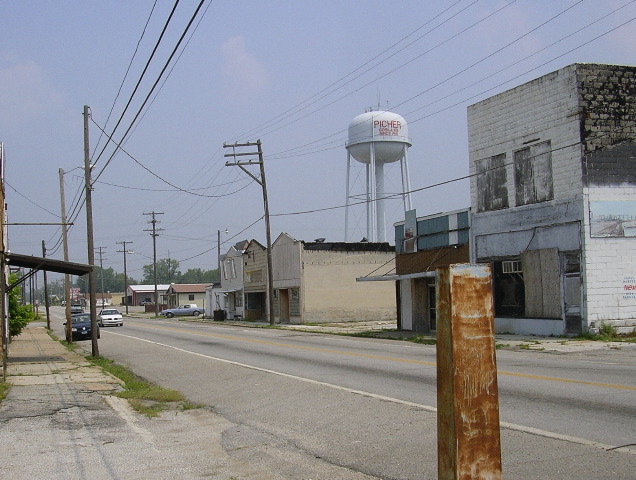
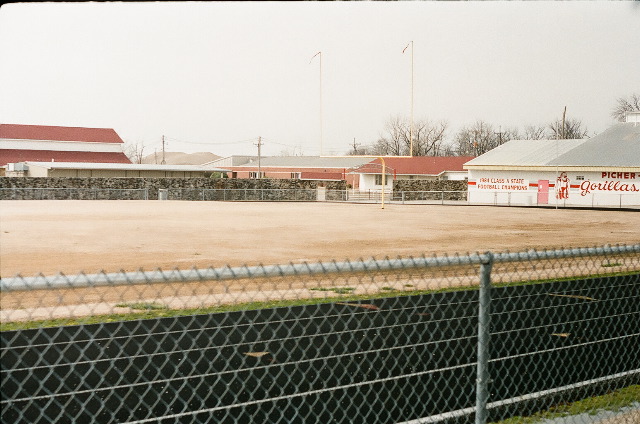
Picher was a small city in northeastern Oklahoma in the United States that grew around metal mining and later became one of the nation's most prominent environmental cleanup sites. Once a thriving mining community, it suffered extensive land and water contamination from decades of excavation and waste disposal, prompting health concerns and a long-term government response.
Image gallery
7 Images


Characteristics and contamination
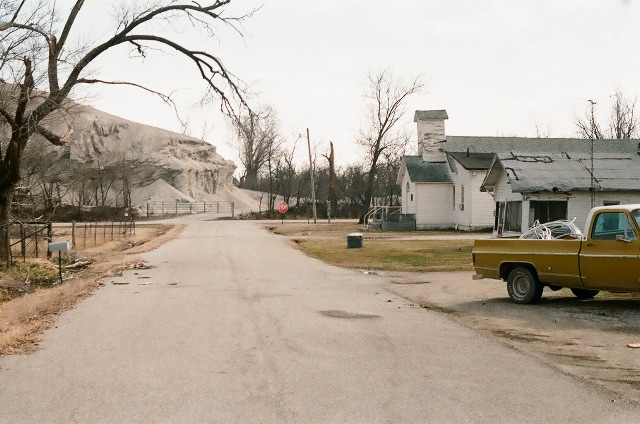
The town sits within the Tri-State mining district and is surrounded by large mounds of mine tailings known locally as "chat." These wastes, along with contaminated groundwater and surface water, carried heavy metals such as lead, zinc and cadmium. Elevated lead levels among children and other public‑health problems were key factors in recognizing Picher as an environmental crisis.
History and decline
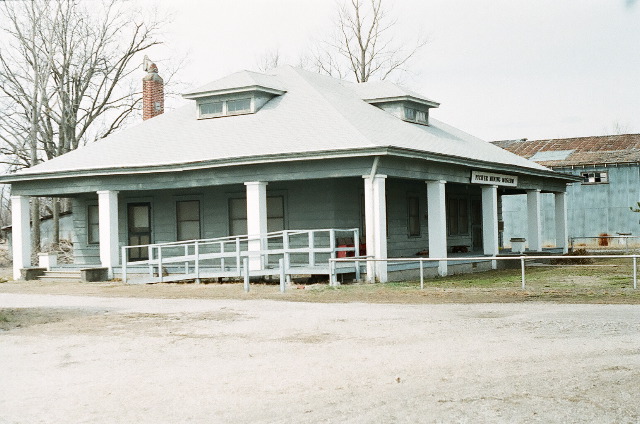
Mining began in the region in the late 19th and early 20th centuries and produced a local boom in population, businesses and infrastructure. As ore deposits were exhausted and the economic base eroded, the community declined. Efforts to reuse chat and other materials unknowingly spread contamination. By the late 20th century, the scale of environmental damage and health risks made long-term habitation increasingly untenable.
Remediation, buyout and disincorporation
The area became part of the Tar Creek Superfund program, which has overseen investigations, cleanup work and health studies for decades. After repeated flooding and a destructive storm event in 2008, federal and state agencies arranged buyouts and relocation packages for most remaining residents. The municipality was formally disincorporated in 2009, and many buildings were demolished or fenced to limit access.
Legacy and notable facts
- Picher is frequently cited as a case study in environmental policy, mine reclamation and community displacement.
- Remediation has been complex and ongoing; restrictions on land use remain in many areas.
- The site's history illustrates the long-term costs of resource extraction when waste management and public health are under‑regulated.
Today, Picher stands as a largely abandoned landscape whose story is used to inform better practices in mining oversight, environmental cleanup and protecting vulnerable communities from industrial contamination.
Related articles
Author
AlegsaOnline.com Picher, Oklahoma — Former Mining Town and Superfund Site Leandro Alegsa
URL: https://en.alegsaonline.com/art/76719