
Axel jump (figure skating)
An Axel is a figure skating jump with a forward takeoff that requires an extra half rotation. It ranges from single to quadruple Axel and is famed for its technical difficulty and distinctive entry.
Overview
The Axel is a signature jump in figure skating recognizable for its forward takeoff and the additional half rotation it requires compared with other jumps. Because all skating jumps land while moving backward, the Axel begins forward and so must complete one extra half-turn in the air. This unique characteristic is the primary feature that distinguishes the Axel from other competitive jumps.
Image gallery
10 Images




Mechanics and technique
The jump begins from a forward outside edge, typically approached with a preparatory step that builds speed and correct edge control. Key phases are the approach, the takeoff from the forward outside edge, the flight during which rotations are completed, and the backward landing on the opposite foot's back outside edge. Proper timing, body alignment and strong core and leg drive determine the height and rotational speed needed to complete the extra half turn.
- Approach: forward glide and harnessing momentum.
- Takeoff: pop from the forward outside edge without a toepick assist (it is an edge jump).
- Flight: tuck and rotate to gain angular velocity.
- Landing: absorb impact on the back outside edge, maintain control and flow into the next element.
Variations and degrees of difficulty
Axels are named by the number of full rotations completed in the air plus the extra half. A single Axel involves one and a half rotations, a double Axel two and a half, and a triple Axel three and a half. A quadruple Axel, which would require four and a half rotations, is exceptionally demanding and rare at the elite level. Each additional half rotation increases the technical challenge exponentially, requiring greater jump height and faster rotation.
History and notable milestones
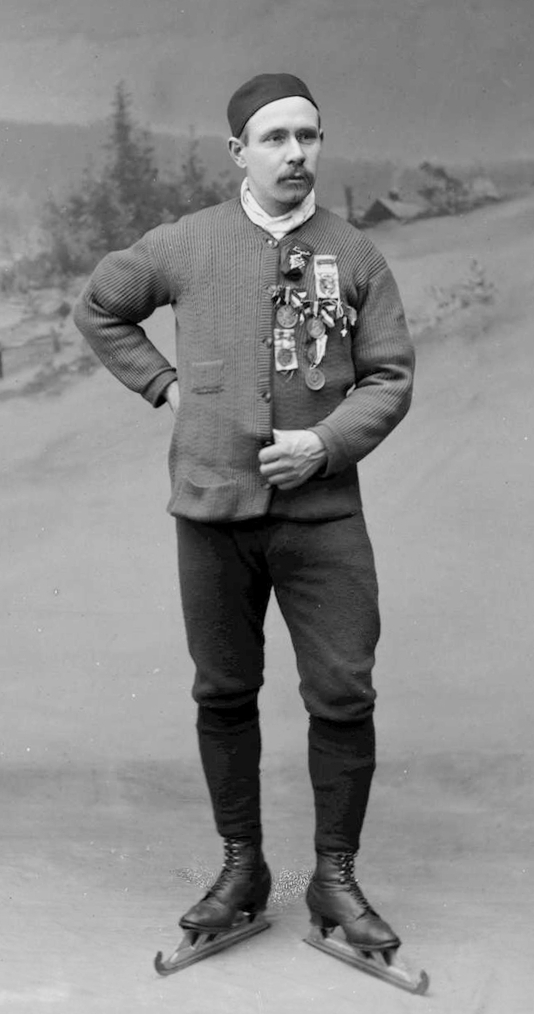
The jump is named after Axel Paulsen, a Norwegian skater who popularized the element in the late 19th century. Over time the Axel evolved from a novelty to a benchmark of technical prowess. In the late 20th century, the triple Axel became a hallmark achievement for elite competitors, with a small number of skaters—men and women—gaining attention for landing it consistently in competition.
Competitive importance and notable facts
In competition, the Axel carries significant technical value because of its higher base difficulty and the visible skill required to execute the extra half rotation. Judges assess takeoff edge, height, rotation, clean landing, and quality of the exit. The Axel remains both a crowd-pleasing element and a decisive technical marker: successful triple and higher Axels can strongly influence scoring and the perceived technical level of a performance.
Related articles
Author
AlegsaOnline.com Axel jump (figure skating) Leandro Alegsa
URL: https://en.alegsaonline.com/art/7827