
Pawtucket, Rhode Island
Pawtucket is a city in Providence County, Rhode Island, known for its industrial history centered on the Blackstone River, the Slater Mill historic site, and a diverse urban community of about 71,000 (2010).
Pawtucket is a city in Providence County, Rhode Island, United States. It lies along the Blackstone River near the Massachusetts border and had a population of 71,148 at the 2010 census (2010 census). The city's name derives from an Algonquian word generally translated as “river fall,” a reference to the falls on the Blackstone that powered early mills.

Image gallery
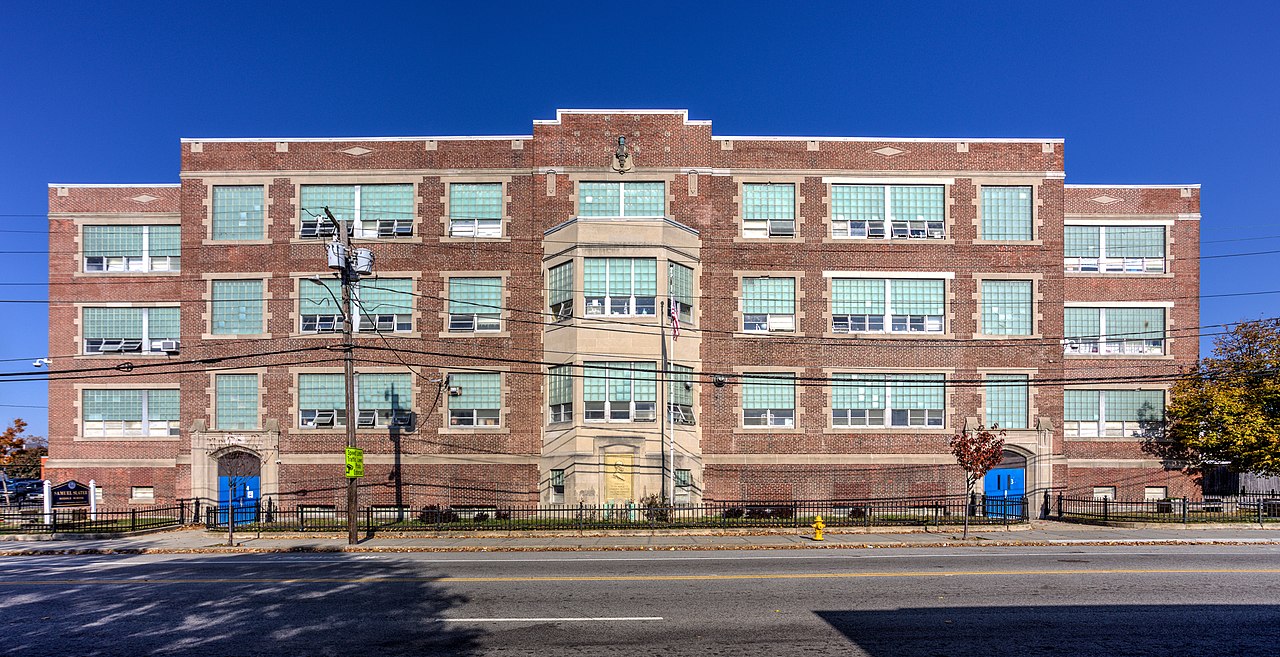
10 Images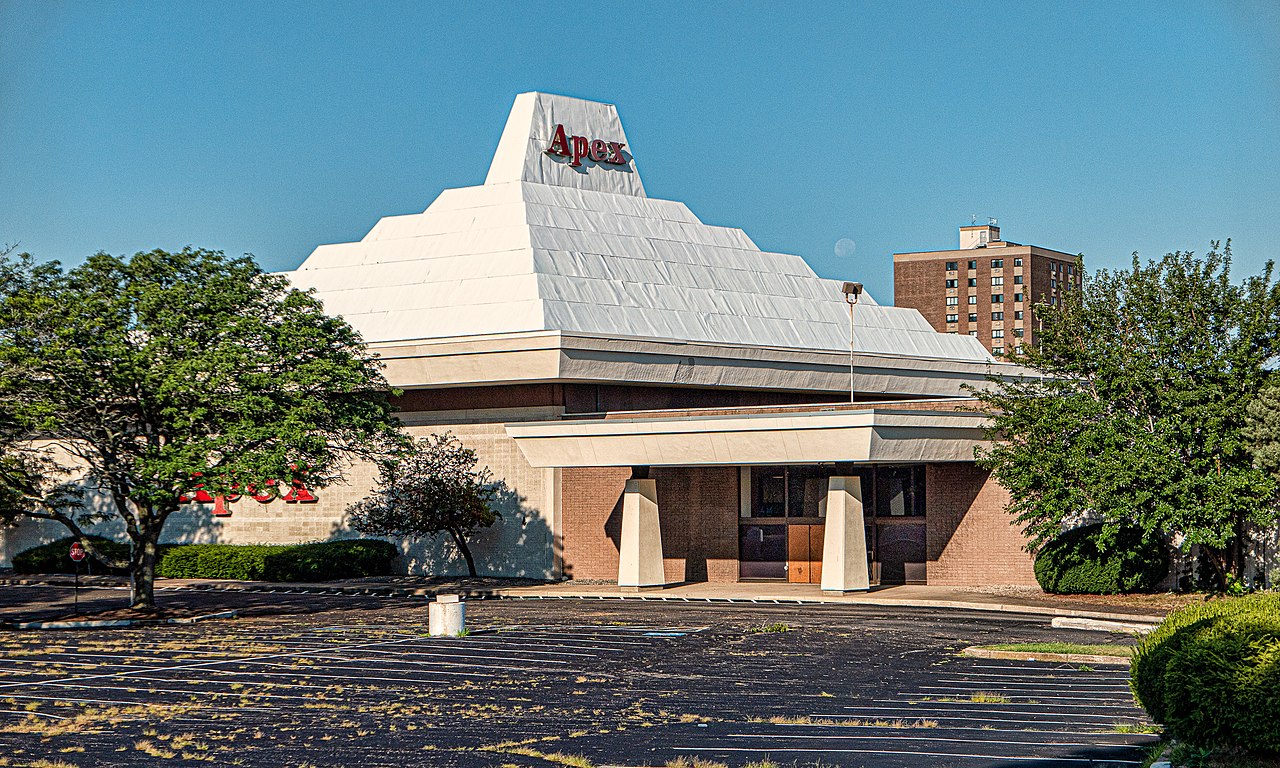




Overview and character
Pawtucket developed as an industrial mill town and retains a dense, mixed-use urban fabric of former factories, worker housing, commercial streets, and newer cultural venues. Its neighbourhoods mix long-established communities descended from 19th- and 20th-century immigrant waves with more recent arrivals. The city functions today as a residential, cultural, and light-manufacturing center within the Providence metropolitan area.
Historical development
The falls on the Blackstone River attracted water-powered industries in the late 18th and early 19th centuries. Most notable is Slater Mill and its associated complex, which is widely cited as a foundational site in America's early industrialization. Over the 19th and early 20th centuries Pawtucket's economy was dominated by textile mills, machine shops and related trades. Like many Northeastern mill towns, it experienced industrial decline in the mid-20th century and later efforts toward adaptive reuse of mill buildings.
Landmarks and culture
Key cultural and historic assets include Slater Mill, mill-era architecture, arts studios and converted industrial spaces used for galleries, small businesses and community events. The city has promoted arts-led revitalization and hosts local festivals, markets and civic programs that highlight its industrial heritage and diverse population. Pawtucket was long associated with a Triple-A baseball team, the Pawtucket Red Sox (the "PawSox"), which was an important civic institution for many years.
Economy and demographics
While manufacturing continues at a smaller scale, contemporary Pawtucket's economy includes healthcare, retail, services, and creative industries. The population is socioeconomically and culturally diverse, shaped by historical immigration from Europe and later arrivals from Latin America, Asia and elsewhere. Municipal planning has focused on waterfront redevelopment, transportation access and reuse of historic structures to support jobs and housing.
Notable facts and distinctions
- Pawtucket is part of the Blackstone River Valley, often called the birthplace of the American Industrial Revolution.
- The city's name reflects its Indigenous Algonquian heritage and the importance of the river falls to settlement and industry.
- Revitalization projects commonly balance historic preservation with new commercial and residential uses.
For further information about the region and demographic history, see local historical societies and municipal resources that document Pawtucket's industrial past and ongoing civic initiatives.
Related articles
Author
AlegsaOnline.com Pawtucket, Rhode Island Leandro Alegsa
URL: https://en.alegsaonline.com/art/75273
Sources
- epodunk.com : "Profile for Pawtucket, Rhode Island, RI"