
Pan American World Airways (Pan Am): History, Innovations and Legacy
Pan American World Airways was a pioneering U.S. international airline known for its Clippers, jet-age leadership and global image; business pressures and the Lockerbie bombing contributed to its 1991 collapse.
Pan American World Airways, commonly called Pan Am, was a U.S. international airline that became one of the best-known aviation brands of the 20th century. Founded as an airline that connected the United States to distant foreign destinations, Pan Am built a reputation for pioneering long-distance routes and for shaping public ideas about global air travel.
Image gallery
10 Images




History and development
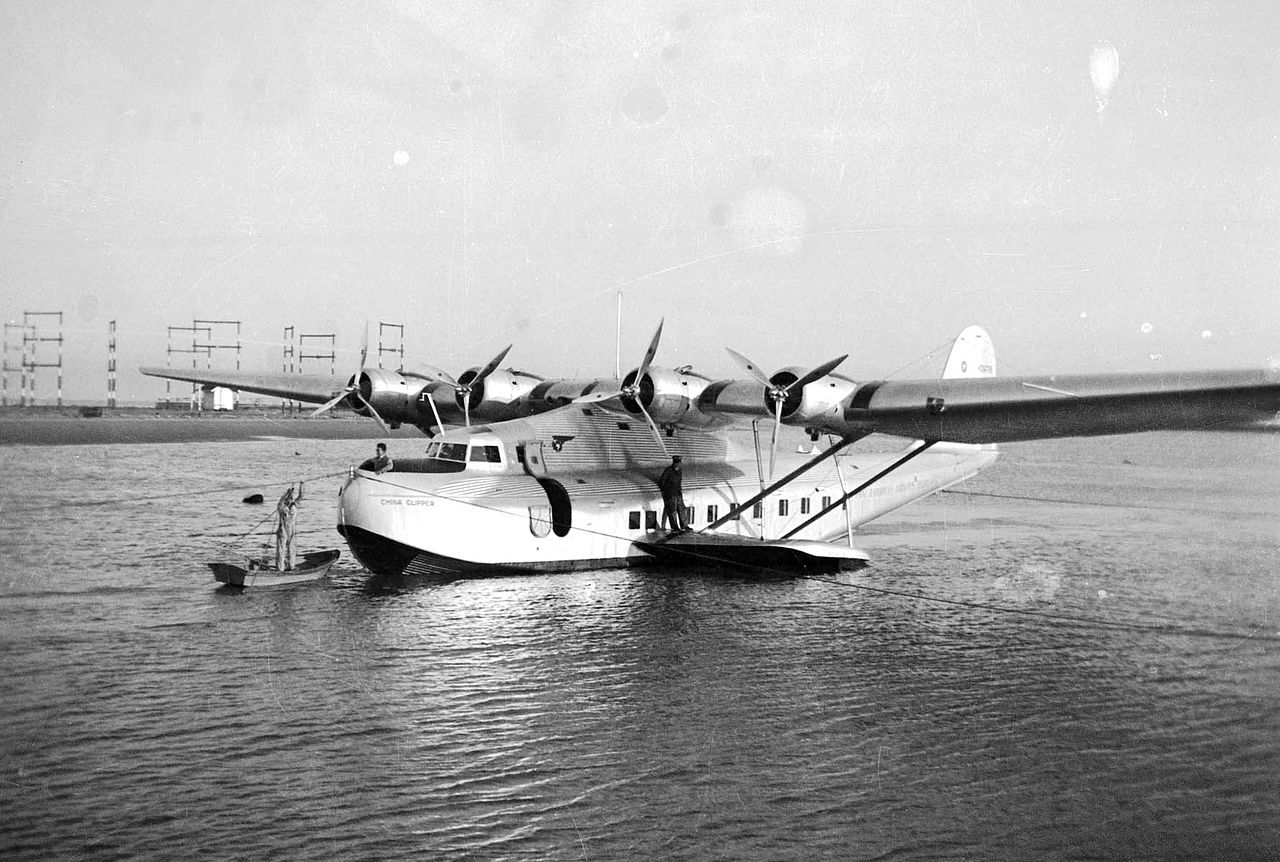
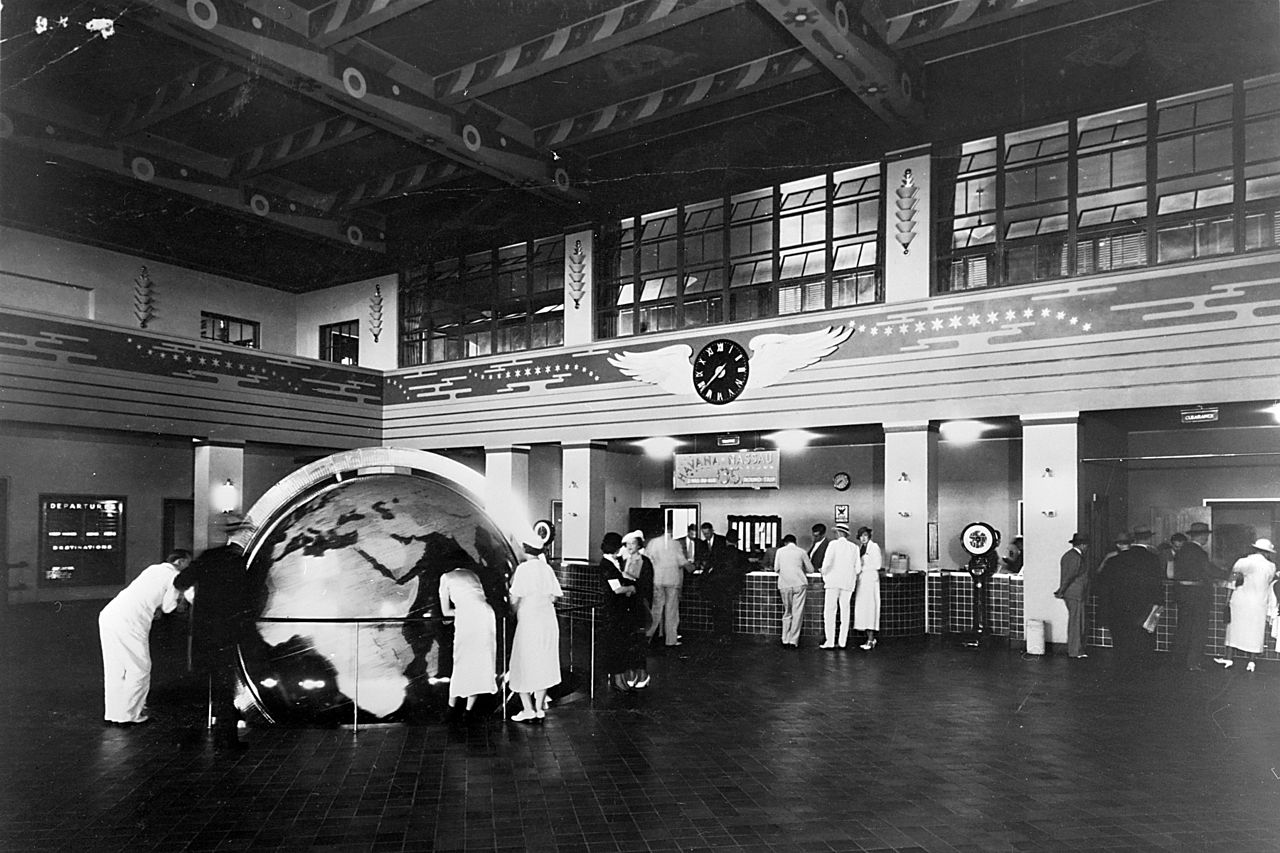
Beginning with seaplane operations and the famous "Clipper" flying boats, Pan Am expanded across oceans and continents over several decades. The airline played a central role in opening international passenger and mail services, then moved into the jet age and wider global networks after World War II. Financial strain, industry changes and high-profile incidents culminated in Pan Am ending scheduled operations in 1991.
Innovations and characteristics
Pan Am was associated with technological and commercial firsts. It helped normalize transoceanic passenger service, promoted standardized training for international operations, and was a visible early adopter of large jet airliners that transformed long-haul travel. The company's branding—stylized logo, crew uniforms and marketing—made it a cultural icon for mid‑century travel.
Decline, notable incidents and legacy
The airline's decline involved multiple causes: intense competition following deregulation, rising operating costs, and strategic missteps. A significant blow to the carrier's reputation and finances was the bombing of Pan Am Flight 103, a widely reported catastrophe that accelerated public scrutiny and legal pressures. After the airline ceased operations, Pan Am's international routes, assets and trademarks were sold or licensed; the name survives in cultural references, museum collections and occasional commercial revivals.
Notable facts and enduring influence
- Originated with flying boat "Clipper" services that connected remote terminals by sea and air.
- Recognized as a leader in transoceanic and intercontinental route development.
- Its corporate identity influenced how airlines presented global travel to the public.
Pan Am's story is both an account of innovation in international aviation and a cautionary example about the challenges of sustaining a large global carrier amid economic and security shocks. Its legacy is preserved in aviation history, film and popular memory.
Related articles
Author
AlegsaOnline.com Pan American World Airways (Pan Am): History, Innovations and Legacy Leandro Alegsa
URL: https://en.alegsaonline.com/art/74291
Sources
- planespotters.net : planespotters.net/Airline/Pan-American-World-Airways.html
- books.google.com : The American Aviation Experience: A History
- longreads.com : "Glamorous Crossing: How Pan Am Airways Dominated International Travel in the 1930s"
- pbs.org : "Who Made America? - Innovators - Juan Trippe"
- boeing.com : boeing.com
- everythingpanam.com : "everythingPanAm"
- books.google.com : Aviation in Florida
- books.google.com : Pan Am: A History of the Airline that Defined America
- bloomberg.com : "Bloomberg - Are you a robot?"
- jpbtransconsulting.com : "Pan American World Airways - JPB Transportation"
- nytimes.com : "Pan Am Plans Sale of Pacific Routes to United Airlines"
- airwaysnews.com : airwaysnews.com/blog/2014/09/26/american-airlines-celebrates-25th-anniversary-of-miami-hu…
- everythingpanam.com : "Pan Am Today"