
Palatine Hill
One of Rome’s oldest and most central hills, Palatine Hill contains mythic origins, imperial residences and extensive archaeological remains overlooking the Roman Forum.
Overview
Palatine Hill, known in Latin as the Palatium, is the central hill of ancient Rome and one of the traditional seven hills that defined the earliest city. Sometimes called the "Sun Hill" in later descriptions, Palatine occupies a strategic ridge above the Roman Forum and the Circus Maximus and has been a focus of settlement since prehistoric times.
Image gallery
7 Images



Physical characteristics and major structures
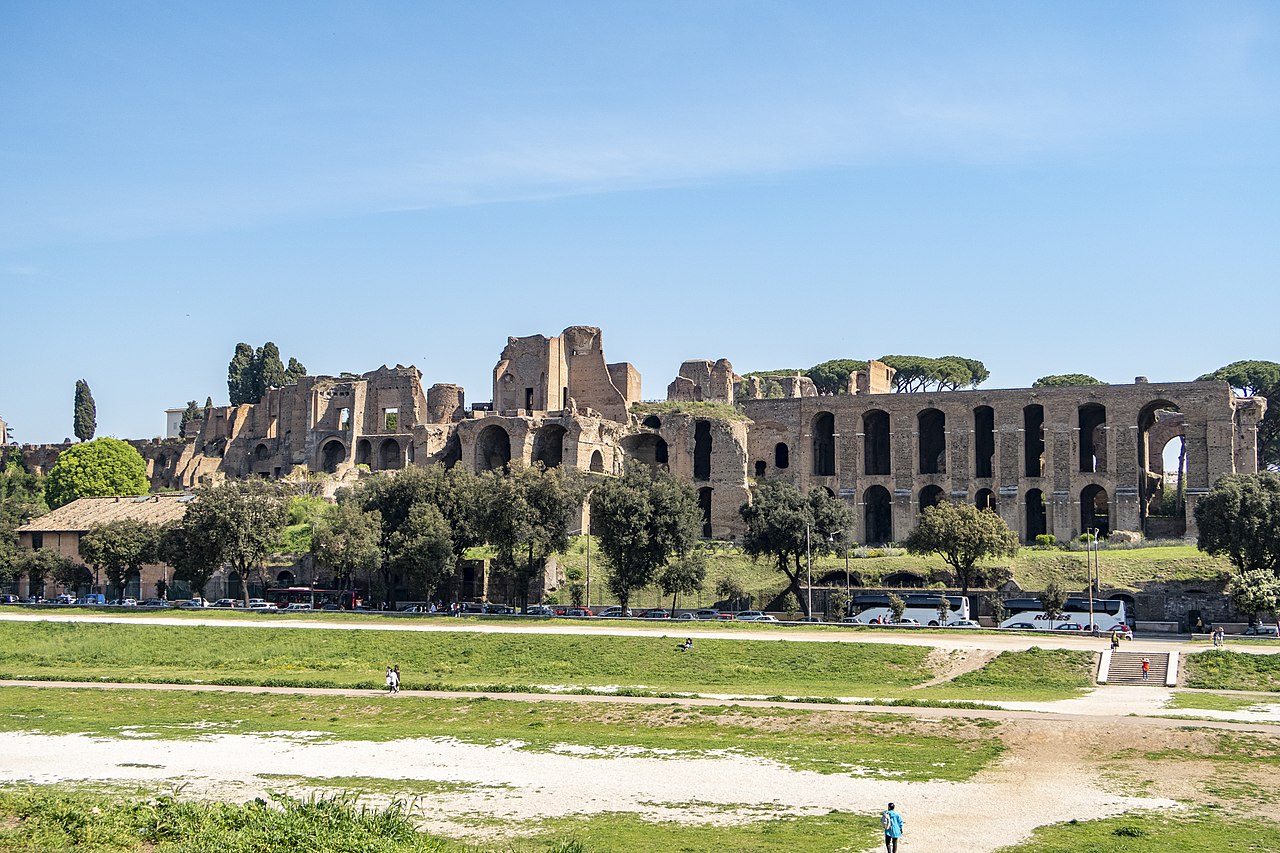
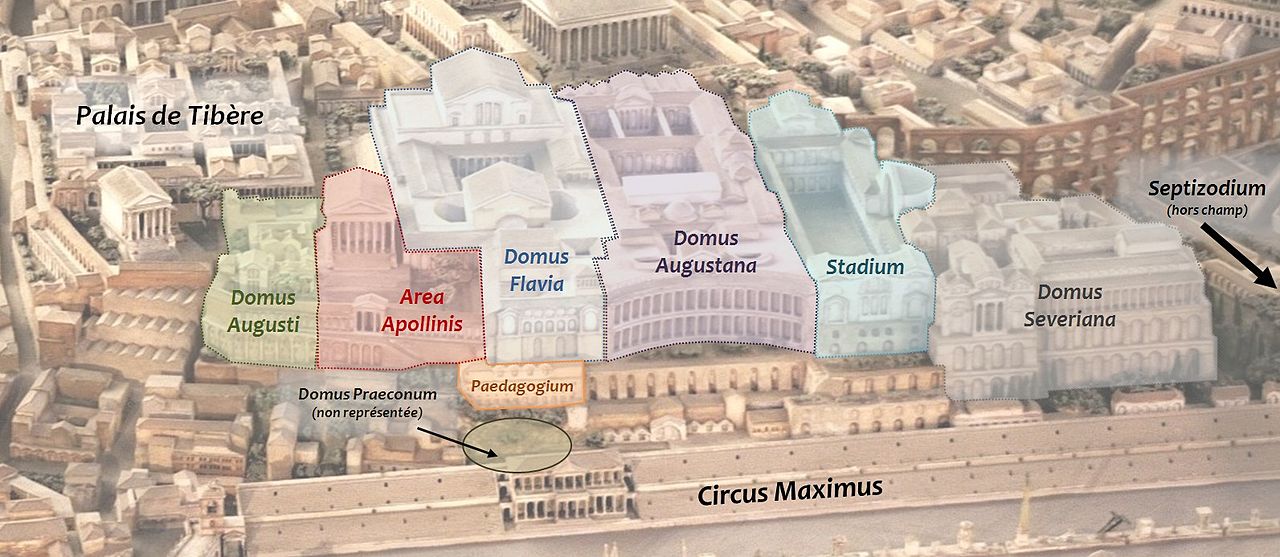
The hill is a compact plateau of terraces and gardens with sprawling archaeological layers. Excavations have revealed a mix of republican residences and grand imperial complexes. Notable components include:
- House of Augustus and associated domestic units
- Domus Flavia and Domus Augustana, parts of the Flavian palace complex
- Imperial gardens and service buildings that linked private palaces to public areas
History and legendary associations
The Palatine figures prominently in Rome's foundation stories: medieval and classical authors linked it with Romulus, the city's legendary founder, and sites such as the cave of the Lupercal were associated with those tales. From the late Republic through the Empire, successive elites and emperors chose the Palatine for homes and official residences, a pattern that gave the hill its reputation as the political and social heart of imperial Rome.
Archaeology and development
Systematic excavation on the Palatine began in modern times and has continued intermittently, revealing architectural phases from early hut foundations to monumental stone palaces. Finds include sculptural fragments, wall decorations and evidence of luxury living. Because the site was reused and reshaped over centuries, archaeologists must interpret overlapping layers cautiously.
Importance and legacy
The Latin word palatium derived from the hill's name and later gave rise to the word "palace" in many languages, reflecting the hill's long association with rulers' residences. As both a historic symbol of Roman power and a rich archaeological area, the Palatine remains central to studies of urbanism, imperial ideology and daily life in ancient Rome.
Visiting today
Modern visitors can walk among terraces and ruins, view reconstructions and see displays that interpret life on the hill for different periods. The site is typically accessed together with the Roman Forum and nearby ruins, allowing a view of how the Palatine related to the broader city; planning resources and visitor information are available through official authorities and guide services (details).
For an introduction to the Palatine's role in Rome's development and its continuing archaeological importance, many summaries and museum exhibits provide accessible overviews and images to complement on-site visits (Latin context, city topography).
Related articles
Author
AlegsaOnline.com Palatine Hill Leandro Alegsa
URL: https://en.alegsaonline.com/art/74142