
Pahang — Malaysian state on the east coast of Peninsular Malaysia
Pahang is the largest state on Peninsular Malaysia's east coast. Its capital is Kuantan. The state is noted for rainforests, highlands, a long river system, coastal beaches and diverse rural economy.
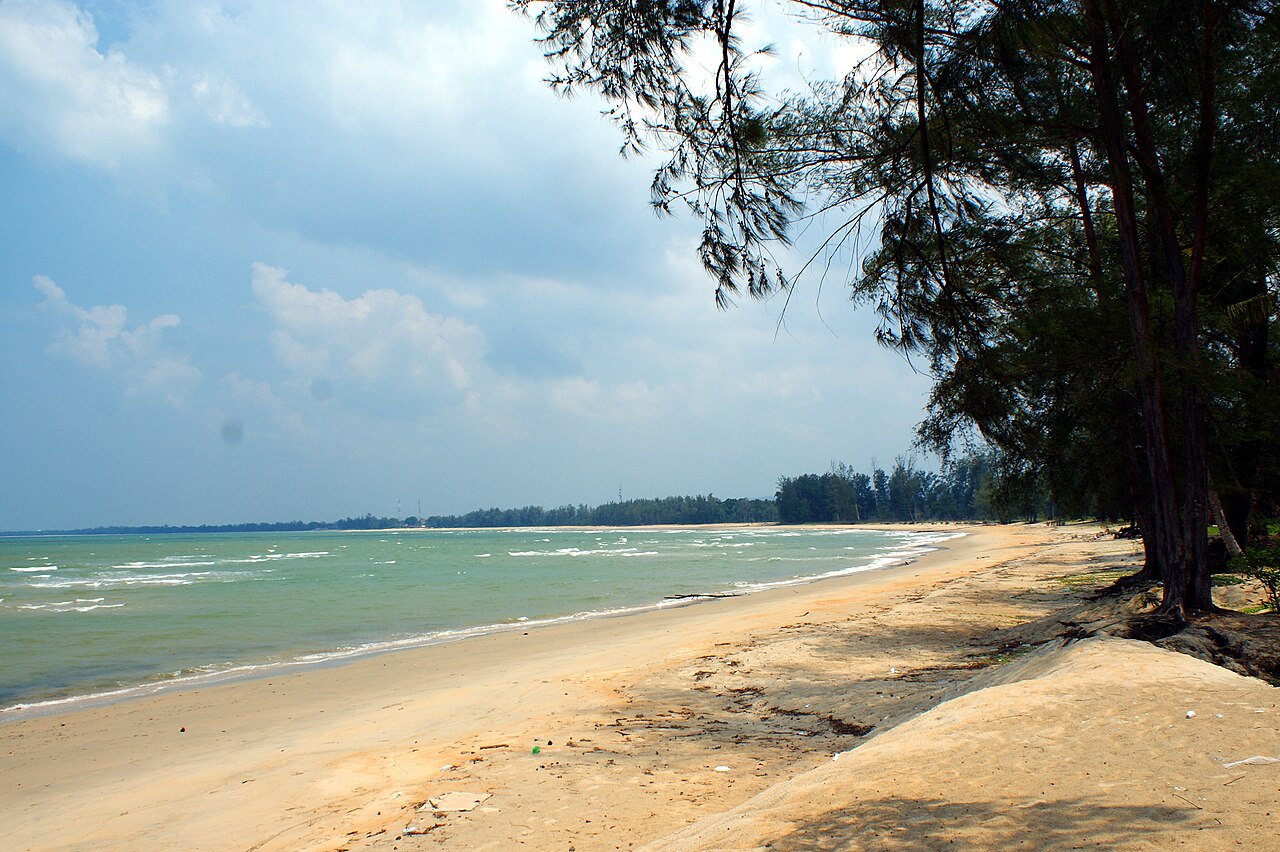
Pahang occupies a broad swath of the eastern side of Peninsular Malaysia. It is the largest state on the peninsula by land area and combines coastal lowlands, the Pahang River basin and mountainous interior ranges. The administrative and economic centre is Kuantan, a coastal city that serves as the state's capital, commercial hub and principal port. Pahang's mix of landscapes—from beaches to rainforest to highland plateaus—shapes its economy, settlement patterns and tourist appeal.
Image gallery
10 Images




Geography and natural environment
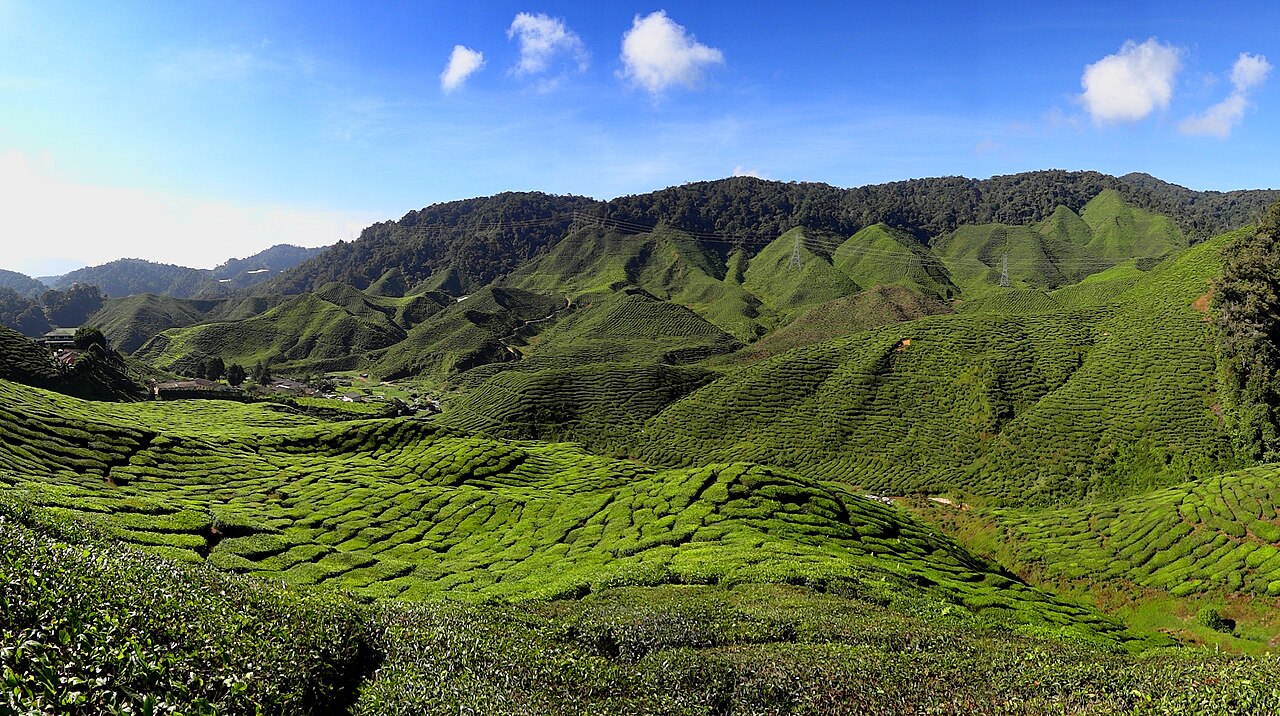
Pahang includes rugged highlands such as the Cameron Highlands in the west and extensive lowland plains along the coast to the east. Much of its interior remains covered by tropical rainforest; part of Malaysia's oldest protected area, Taman Negara, lies within the state and preserves significant biodiversity. The Pahang River, one of the peninsula's major rivers, drains the central watershed and supports agriculture and inland communities. Wildlife can include large mammals and a range of forest species, and conservation efforts address habitat protection and human–wildlife balance.
Administrative divisions
The state is organised into districts that manage local government, land administration and services. These districts include:
- Bera
- Bentong
- Cameron Highlands
- Jerantut
- Kuantan
- Kuala Lipis
- Maran
- Pekan
- Raub
- Rompin
- Temerloh
History and governance
Pahang has a long history as a Malay sultanate and was later incorporated into colonial-era administrations before joining the modern federation of Malaysia. The state retains a constitutional monarchy headed by a Sultan who plays a ceremonial and cultural role. Historic towns and royal centres, such as Pekan, reflect Pahang's local traditions, political history and links to national leadership in the 20th century.
Economy, infrastructure and uses
The state's economy blends agriculture, forestry, mining and manufacturing, together with growing services and tourism. Large-scale crops—such as oil palm and rubber—are important in rural districts, while coastal areas support fishing and port activities. Hydroelectric projects, road networks and regional ports have shaped development, and Kuantan functions as a focal point for commerce, transport and industry. Tourism is significant: visitors come for highland resorts, jungle trekking, river activities and beach resorts along the east coast.
Cultural significance and notable facts
Pahang is notable for its combination of environmental diversity and traditional Malay culture. It contains nationally important conservation areas and recreational highlands, a royal town that preserves ceremonial customs, and communities of indigenous people known as Orang Asli. As a large, geographically varied state on the east coast, Pahang plays a central role in Malaysia's natural heritage, regional economy and domestic tourism.
Related articles
Author
AlegsaOnline.com Pahang — Malaysian state on the east coast of Peninsular Malaysia Leandro Alegsa
URL: https://en.alegsaonline.com/art/74005
Sources
- tourism.gov.my : "Pahang: Adventures Off the Beaten Track"