
Päijänne — Finland's second-largest lake
Päijänne is Finland's second-largest lake, roughly 1,100 km², lying between Central Finland and Päijänne Tavastia. Known for clear water, numerous islands, a national park and the Päijänne Water Tunnel.
Overview
Päijänne is the second-largest lake in Finland and a major freshwater landmark in the country's lake district. It occupies roughly 1,100 square kilometres and stretches across two regions, serving as an important natural, recreational and drinking-water resource. The lake drains toward the Gulf of Finland through an established river system and remains valued for its generally high water quality.
Image gallery
10 Images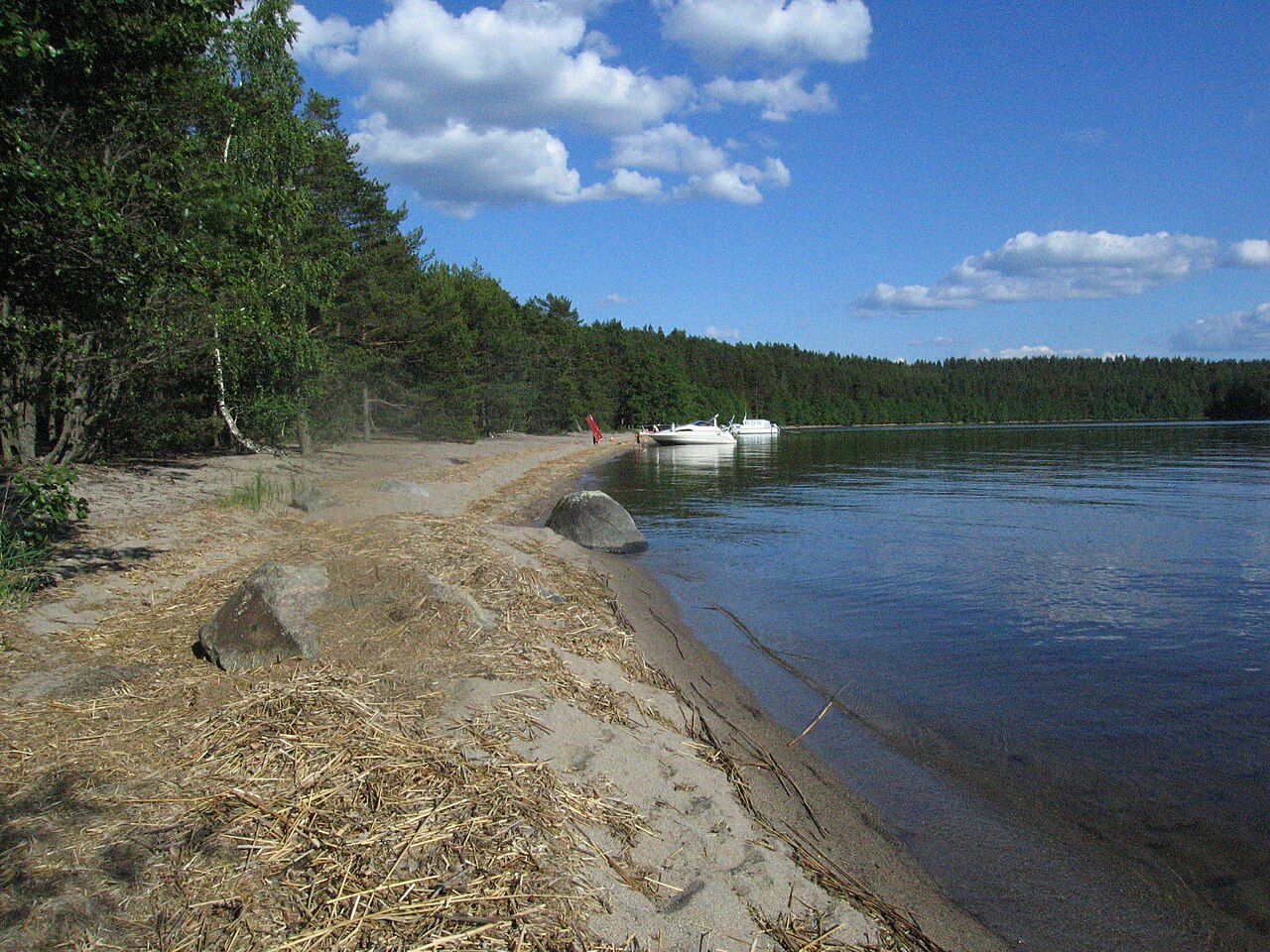




Location and neighbours
The lake lies between the regions of Central Finland and Päijänne Tavastia, and its waters ultimately run out to the sea via the outflow river network and the Kymijoki, reaching the Gulf of Finland. Local conditions change along its length: for example, water clarity and quality are reported to improve south of Jämsä.
Physical characteristics
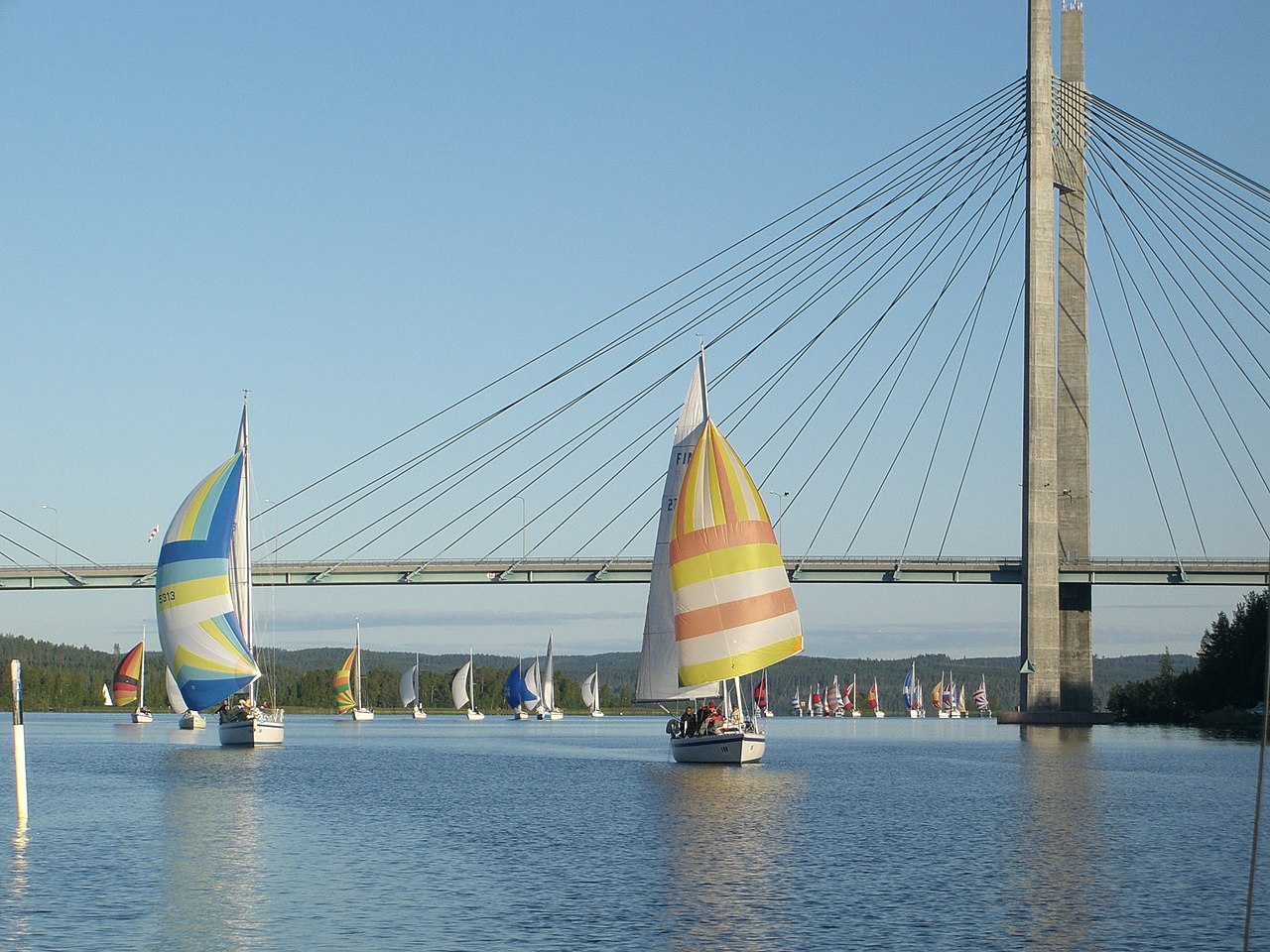
Päijänne is long and narrow in parts and contains a large archipelago of islands, rocky shoals and bays. Certain basins reach substantial depth and the shoreline alternates between rugged rock and forested banks. These features create diverse habitats and attractive routes for boating and canoeing.
Human use and protection
The lake is used for recreation, fisheries and as a source of drinking water. A major engineering installation, the Päijänne Water Tunnel, conveys treated lake water to the Helsinki region and nearby communities, making the lake strategically important for urban supply. Parts of the lake and its islands are protected within national and regional conservation efforts and in areas designated for outdoor recreation.
Municipalities and access
Päijänne touches many municipalities on both shores. On the Central Finland side are Kuhmoinen, Jämsä, Joutsa, Luhanka, Muurame, Toivakka and Jyväskylä. On the Päijänne Tavastia side are Padasjoki, Asikkala and Sysmä. These towns provide access, services and opportunities for tourism and waterborne activities.
Ecology and notable facts
The lake supports a variety of freshwater fish and aquatic plants and is a destination for anglers and nature visitors. Protected areas, including island groups and shorelines, conserve breeding sites and scenic landscapes. Päijänne is widely recognised for its clear water, substantial archipelago, and role in supplying drinking water to southern Finland.
Questions and answers
Q: What is Päijänne?
A: Päijänne is the second largest lake in Finland.
Q: Where is Päijänne located?
A: Päijänne is between the regions of Central Finland and Päijänne Tavastia.
Q: How big is Päijänne?
A: Päijänne covers 1,100 kilometers (680 mi) in size.
Q: Where does Päijänne flow to?
A: Päijänne flows into the Gulf of Finland through the river Kymijoki.
Q: How is the water quality in Päijänne?
A: The quality of the water in Päijänne is good. It improves south of Jämsä.
Q: What municipalities are next to Päijänne?
A: Päijänne is next to the municipalities of Kuhmoinen, Jämsä, Joutsa, Luhanka, Muurame, Toivakka and Jyväskylä in Central Finland, and Padasjoki, Asikkala and Sysmä in Päijänne Tavastia.
Q: What river flows into the Gulf of Finland through Päijänne?
A: The river Kymijoki flows into the Gulf of Finland through Päijänne.
Related articles
Author
AlegsaOnline.com Päijänne — Finland's second-largest lake Leandro Alegsa
URL: https://en.alegsaonline.com/art/74017