
Ozai — Fire Lord and primary antagonist of Avatar: The Last Airbender
Ozai is the authoritarian ruler of the Fire Nation in the animated series Avatar: The Last Airbender. He is a powerful firebender, patriarch of a royal family, and a central figure in the show's conflict and themes.
Overview
Ozai is presented in the animated series Avatar: The Last Airbender as the reigning leader of the Fire Nation and its military forces. As the series' main antagonist, he seeks to expand his nation's dominance and to impose his will on the world. He occupies a position of political and symbolic authority, known by the regnal title Fire Lord and—at a pivotal moment in the story—the self-styled name Phoenix King.
Image gallery
2 Images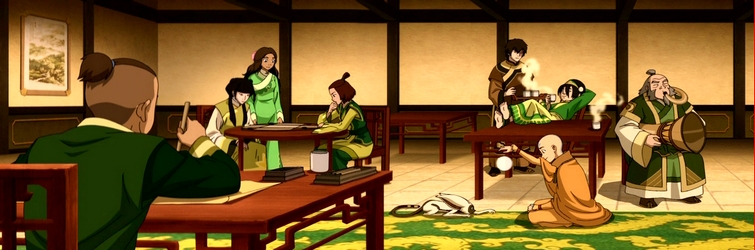
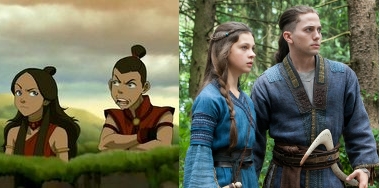
Character traits and abilities
Ozai is characterized by ambition, a ruthless temperament, and a conviction that power and order justify harsh measures. He is also a highly skilled and experienced firebender, capable of generating intense flames and using advanced techniques. The series contrasts his approach to power with other members of his family and with the values represented by the Avatar.
- Leadership: Rules the Fire Nation with centralized authority and military emphasis.
- Combat skill: Demonstrates superior firebending aptitude and strategic acumen.
- Personality: Domineering, pragmatic, and often emotionally distant from his children.
Role in the plot and themes
Ozai functions as the primary antagonist whose policies and campaigns drive much of the series' conflict. His ambition to control or remold the world brings him into direct opposition with the protagonist, Aang, and the broader resistance to imperial conquest. The show explores themes such as the corrupting influence of absolute power, intergenerational trauma within royal households, and the moral complexities of justice and mercy when confronting tyranny.
Family, background and relationships
As patriarch of the royal family, Ozai's relationships are central to his narrative role. He is the father of Princess Azula and Prince Zuko, and the younger brother of General Iroh. His interactions with his children—marked by favoritism, expectation, and abuse—shape their arcs and the series' exploration of identity, honor, and redemption. Ozai is also portrayed as a descendant of earlier Fire Lords and tied to historical figures within the fictional world, which informs his claim to authority and his ideological legacy.
Portrayals and cultural impact
In the original animated series, Ozai's speaking role is performed by actor Mark Hamill, whose delivery emphasizes the character's menace and command. The character's prominence has extended beyond the show through discussions of villainy in modern animation and through adaptations: a live-action remake cast a well-known actor in the role, drawing renewed attention to Ozai's place in the franchise and to debates about adaptation choices. The character remains a frequent subject of analysis for his role as an archetypal tyrant and for the way his family relationships complicate that archetype.
Notable distinctions and reception
Ozai is often singled out for his embodiment of authoritarian leadership within a fantasy setting, and for how his personal failings—particularly in parenting—are used narratively to motivate other major characters. Critics and viewers have cited the contrast between Ozai's uncompromising pursuit of power and the series' broader emphasis on balance, compassion, and the possibility of change. Scholarly and fan commentary frequently examines his role in the show's moral universe and how he operates as both a political and personal antagonist.
For further context on the series and its characters, see materials associated with the production studio Nickelodeon, production notes for Avatar: The Last Airbender, and profiles of related figures such as Ozai's children Azula and Zuko, his brother Iroh, earlier Fire Lords like Sozin, and the series' protagonist Aang. Casting and performance information can be consulted for actors including Mark Hamill and others involved in adaptations.
Questions and answers
Q: Who is Ozai?
A: Ozai is a fictional character and the main antagonist in Nickelodeon's animated series Avatar: The Last Airbender.
Q: What is his relationship to Iroh?
A: Ozai is the younger brother of Iroh.
Q: Who does he rival in the series?
A: He rivals the main protagonist of the series, Avatar Aang.
Q: What must Aang do to bring balance to the world?
A: Aang must stop Ozai to bring balance to the world.
Q: Who was Fire Lord Sozin's grandson?
A: Ozai was Fire Lord Sozin's grandson.
Q: What Council was he a member of?
A: He was a member of the 5th Council.
Q: Who voiced him in the animated series?
A; He was voiced by Mark Hamill.
Q: Who will play him in the live-action remake?
A; He will be played by Daniel Dae Kim in the live-action remake.
Author
AlegsaOnline.com Ozai — Fire Lord and primary antagonist of Avatar: The Last Airbender Leandro Alegsa
URL: https://en.alegsaonline.com/art/73846
Sources
- blastr.com : blastr.com