
Outrage (2010 film) — Takeshi Kitano's yakuza drama
Outrage is a 2010 crime drama written and directed by Takeshi Kitano about power struggles among Tokyo's yakuza. Noted for its stark violence, terse style, and competition at Cannes.
Overview
Outrage is a Japanese crime drama written and directed by Takeshi Kitano. Released in 2010, the film runs approximately 109 minutes and carries a restricted classification. Its original Japanese title is Autoreiji. The story examines the internecine rivalries and shifting alliances of yakuza clans operating in and around Tokyo, and the consequences of power struggles within organized crime.
Image gallery
1 Image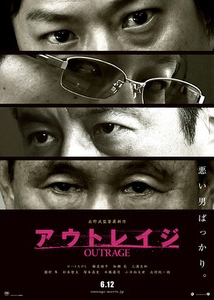
Plot and structure
Rather than following a single protagonist, the narrative adopts an ensemble approach. Multiple bosses and underlings maneuver through betrayals, negotiated truces and sudden violence, and the film often withholds explanatory backstory in favor of terse scenes that require viewers to infer relationships and intentions. The plotting is compact and elliptical; key moments are conveyed through gestures, brief exchanges and abrupt outbreaks of force.
Style and themes
Takeshi Kitano's direction emphasizes restraint and formal control. The film uses economical dialogue, composed framing and pauses of silence to create a tense atmosphere, then interrupts that stillness with sudden, graphic confrontations. Recurring themes include the erosion of traditional codes of honor, the corrosive effects of ambition and the transactional logic of criminal hierarchies. The aesthetic can feel austere, with an emphasis on procedure and consequence rather than melodrama.
Production and festival presence
Kitano, long established as both a filmmaker and performer in Japan, returned to the yakuza milieu he has explored elsewhere in his career. The film premiered in 2010 and was selected to compete for the Palme d'Or at the Cannes Film Festival, reflecting its international visibility and the festival's interest in its uncompromising tone (Cannes competition). The production favors muted design, practical locations and a disciplined shooting style that foregrounds the mechanics of power plays.
Reception and legacy
Critical response emphasized the film's spare craftsmanship and unflinching depiction of violence. Reviewers and viewers were divided: some praised Kitano's disciplined control and the film's visceral impact, while others found the brutality and deliberate opacity challenging. Outrage helped to prompt further entries revisiting similar material and is often discussed alongside Kitano's other crime-oriented works.
Further context
For readers seeking more information, the film can be approached as both a standalone crime thriller and as part of Kitano's broader body of work that repeatedly engages with violence, loyalty and fate in contemporary Japan. Background material on the film's release and cast can be consulted via the main entry Outrage, documented release notes Release details, the original title record Autoreiji, studies of its Tokyo setting Tokyo, and festival coverage Cannes.
More on Outrage • Release details • Original title • Setting: Tokyo • Cannes entry
Related articles
Author
AlegsaOnline.com Outrage (2010 film) — Takeshi Kitano's yakuza drama Leandro Alegsa
URL: https://en.alegsaonline.com/art/73674