
Ostrava: Industrial heritage and cultural hub in the Czech Republic
Overview of Ostrava, the Czech Republic's third-largest city: history from 13th-century origins, industrial development, cultural revival, landmarks, economy and transport connections.
Overview
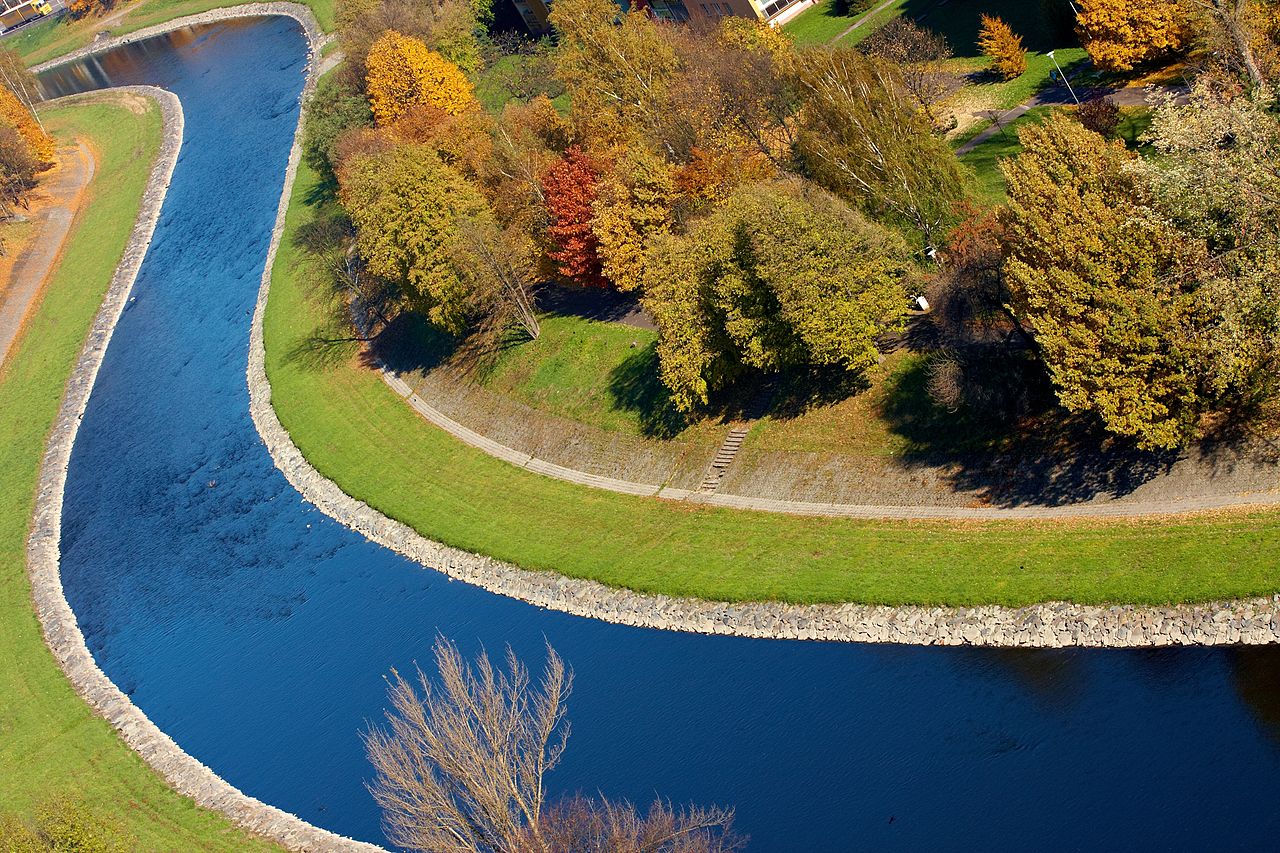
Ostrava is the third-largest city in the Czech Republic and serves as the administrative center of the Moravian-Silesian Region. Located in the north-eastern part of the country, it lies where the Ostravice River flows through a lowland basin. Today the city is home to around 300,000 inhabitants and combines a working-class industrial past with growing cultural and service sectors. For basic civic information see city profile and national context at the Czech Republic.

Image gallery
10 Images


History and development
Recorded foundations date back to 1267, when the settlement began to appear in regional records. Ostrava expanded rapidly during the 19th and early 20th centuries as coal mining, ironworks and heavy industry concentrated in the area. That industrial boom shaped both the urban fabric and the social character of the city. In recent decades the local economy has shifted as mines closed and former industrial sites were repurposed for culture, education and business.
Sights, culture and notable places
Many of Ostrava's best-known landmarks reflect its industrial legacy reimagined for public life. The Lower Vítkovice area is a former ironworks complex now used for exhibitions, concerts and events. Other attractions include the distinctive New City Hall tower, popular leisure streets, and longstanding breweries. A calendar of festivals and concerts draws visitors and signals the city's cultural revival; for regional administration and tourism details see Moravian-Silesian Region.
- Lower Vítkovice industrial zone — cultural and educational venue
- Stodolní street — nightlife and restaurants
- Historic churches and municipal architecture
- Local universities and research institutions

Economy, transport and contemporary life
Ostrava remains an important node for manufacturing, logistics and services in the region, while also hosting technical and higher-education institutions that support innovation. The city's transport connections include major road and rail corridors to neighboring regions and cross-border links. Ongoing urban regeneration projects aim to balance heritage conservation with housing, green spaces and new business development; for foundation dates and early records consult archival references such as founding records.
Though shaped by heavy industry, Ostrava today markets itself as a place of cultural events, academic activity and economic transition—an example of a post-industrial Central European city reworking its physical and social landscape for the 21st century.
Related articles
Author
AlegsaOnline.com Ostrava: Industrial heritage and cultural hub in the Czech Republic Leandro Alegsa
URL: https://en.alegsaonline.com/art/73448