
Ōtaki, Chiba
Ōtaki is a small inland town on the Bōsō Peninsula in Chiba Prefecture, Japan, known for Ōtaki Castle, feudal history connected to Honda Tadakatsu, forestry and local tourism.
Overview
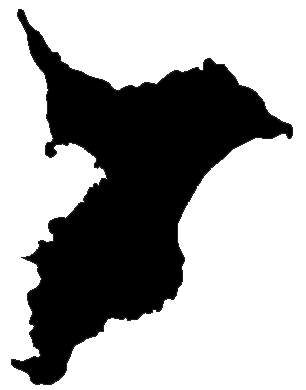
Ōtaki is a town in the Isumi area of Chiba Prefecture, in Japan. It lies toward the centre of the Bōsō Peninsula and combines small urban settlements with extensive forested and agricultural land. The municipality covers about 129.83 km² and had roughly 10,412 residents in April 2012; contemporary figures may vary as rural populations change.
Image gallery
3 Images

Geography and demographics
Ōtaki's landscape is characterised by rolling hills, river valleys and mixed temperate forest typical of central Bōsō. The town's area and population density reflect a largely rural character with small commercial centres serving surrounding villages. Local governance is coordinated within Isumi District and the town maintains links with neighbouring municipalities for services and transport.
History
Ōtaki emerged as a settled community during Japan's feudal era and is especially associated with the samurai general Honda Tadakatsu in the early Edo period (1603–1868). Tadakatsu’s influence led to the construction of a significant stronghold, known today as Ōtaki Castle. While the original defensive structures have undergone reconstructions, the site remains a focal point for local history and heritage preservation.
Landmarks and culture
Key attractions and cultural features include:
- Ōtaki Castle — a historical site with museum displays about the town's feudal past and samurai associations.
- Traditional townscape — streets, shrines and festivals that reflect regional customs and seasonal events.
- Natural areas — hiking paths, rivers and forest tracts that support outdoor recreation and wildlife viewing.
Economy, transport and importance
The local economy blends forestry, small-scale agriculture, crafts, and tourism focused on history and nature. Road connections and local rail services link Ōtaki to larger urban centres in Chiba Prefecture, supporting day visits and commuter traffic. Municipal plans and statistical reports provide detailed figures on population change and land use; see population statistics and area and geography for official data.
Ōtaki serves both as a custodian of regional history and as a rural community adapting to modern economic and demographic challenges. Visitors often combine a visit to the castle and museums with walks in the surrounding countryside to experience the town's cultural landscape.
Questions and answers
Q: Where is Ōtaki located?
A: Ōtaki is located in Isumi District, Chiba Prefecture, Japan, in the middle of the Bōsō Peninsula.
Q: Who was general Honda Tadakatsu and what did he do?
A: General Honda Tadakatsu was a historical figure who lived during the Edo period (1603-1868) and resided in Ōtaki. He built Ōtaki Castle, a large castle in the town.
Q: What is the population of Ōtaki?
A: As of April 2012, the population of Ōtaki was about 10,412.
Q: What is the total area of Ōtaki?
A: The total area of Ōtaki is 129.83 km².
Q: What district is Ōtaki located in?
A: Ōtaki is located in Isumi District.
Q: What is the significance of Ōtaki Castle?
A: Ōtaki Castle was a large castle built by General Honda Tadakatsu during the Edo period, and it is one of the town's historical landmarks.
Q: In which period did general Honda Tadakatsu live?
A: General Honda Tadakatsu lived during the Edo period, from 1603-1868.
Related articles
Author
AlegsaOnline.com Ōtaki, Chiba Leandro Alegsa
URL: https://en.alegsaonline.com/art/73486