
Oligosaccharide: structure, types, biological roles and uses
Oligosaccharides are short carbohydrate chains made of several monosaccharides linked by glycosidic bonds; they occur in foods and biology and serve structural, nutritional and signaling functions.
Overview
An oligosaccharide is a carbohydrate composed of a small number of simple sugar (monosaccharide) units joined by glycosidic bonds. In common biochemical usage an oligosaccharide contains roughly three to ten monosaccharide residues, although the exact cutoff between oligosaccharides and polysaccharides can vary among authors. Like other carbohydrates, oligosaccharides are built by condensation (dehydration) reactions and can be cleaved by hydrolysis in the presence of acids or specific enzymes.
Image gallery
3 Images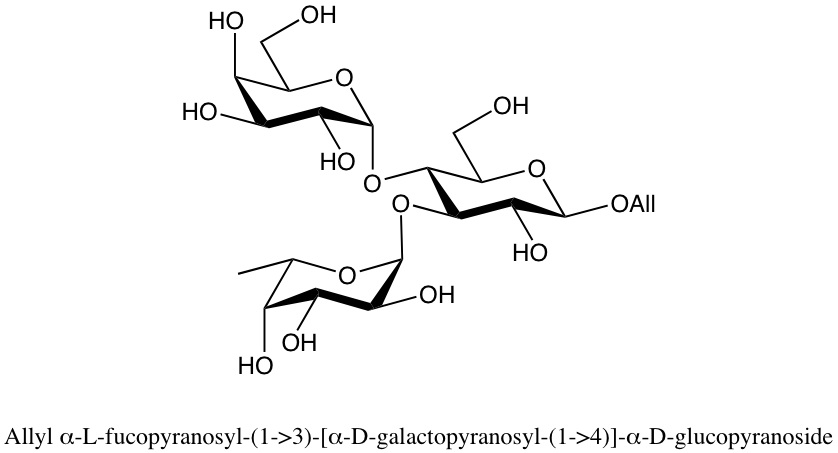


Structure and categories
Oligosaccharides can be linear or branched and differ in the identity of their monosaccharides (for example glucose, fructose and galactose), the configuration of each glycosidic linkage (alpha or beta) and the positions at which sugars are joined. These features determine properties such as digestibility and reactivity. Common named categories include:
- Fructo-oligosaccharides (FOS) and galacto-oligosaccharides (GOS), used as dietary prebiotics.
- Human milk oligosaccharides (HMOs), a diverse group that contribute to infant gut development and immunity.
- Plant oligosaccharides such as raffinose and stachyose, found in beans and other legumes.
Chemistry and formation
Oligosaccharides form when monosaccharide units join and release water, creating glycosidic linkages. The bonds may be hydrolyzed by acids or by glycosidase enzymes to regenerate the free monosaccharides. Analytically, oligosaccharides are distinguished by techniques such as chromatography and mass spectrometry, which reveal composition, linkage types and branching.
Biological roles and uses
In living systems oligosaccharides appear in several important contexts. They decorate proteins and lipids as oligosaccharide chains in glycoproteins and glycolipids, influencing protein folding, stability and cell–cell recognition. Certain oligosaccharides act as prebiotics, selectively stimulating beneficial gut microbes. Human milk oligosaccharides do not nourish the infant directly but shape the neonatal microbiome and block attachment of pathogens to the gut wall. Industrially, some oligosaccharides are added to foods to improve fiber content or function as low-calorie sweeteners and ingredient stabilizers.
Distinctions and notable points
Terminology can vary: disaccharides (two monosaccharide units) are usually treated separately from oligosaccharides, while some sources extend the oligosaccharide range to include slightly larger chains. Many plant oligosaccharides are not digestible by human enzymes and are fermented by intestinal bacteria, which can produce gas and short-chain fatty acids that influence gut health. Oligosaccharide structure critically affects biological recognition events such as blood group specificity and pathogen binding.
Further reading
For summaries and detailed reviews consult introductory resources and specialized reviews on carbohydrate chemistry and glycobiology. See general overview, nutritional and prebiotic aspects, human milk oligosaccharides and analytical methods for oligosaccharide study.
Author
AlegsaOnline.com Oligosaccharide: structure, types, biological roles and uses Leandro Alegsa
URL: https://en.alegsaonline.com/art/72379