
Old Believers (Russian Orthodox schism and tradition)
Religious movement that separated from the Russian Orthodox Church in the 17th century over liturgical reforms; preserves pre‑reform rites, distinctive practices, community types and cultural traditions.
The Old Believers are a collection of Eastern Orthodox groups that refused to accept liturgical and ritual changes introduced in the mid‑17th century in Russia. Their name in English refers to their adherence to older forms of worship and church practice. The schism that created them, commonly called the raskol (Russian for "split"), remains one of the most significant ecclesiastical breaks in Russian religious history. Many Old Believer communities continue to use older liturgical books, chant styles and ritual gestures long discontinued by the official church.
Image gallery
10 Images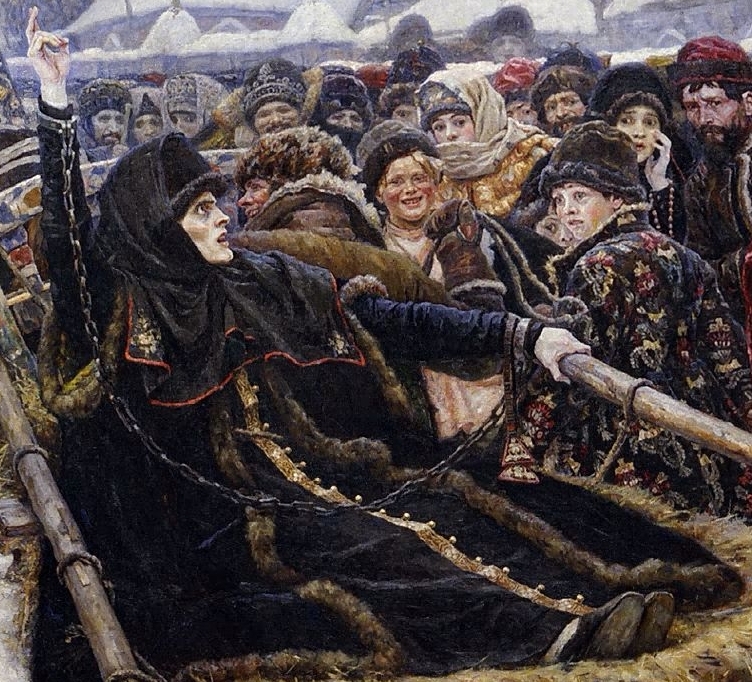


Origins and historical context
The movement arose after reforms proposed and implemented by Patriarch Nikon and approved by church authorities in the 1650s–1660s. Reformers aimed to align Russian rites with contemporary Greek practice, altering texts, ritual gestures and some liturgical formulas. Opponents regarded these changes as harmful innovations and, after church councils in 1666–1667 confirmed the reforms, were declared schismatics and often punished. This opposition produced an enduring split between the reformed hierarchy and those who maintained the older rites.
Distinctive practices and organization
- Rituals: Old Believers typically use pre‑reform service books, make the sign of the cross with two fingers rather than three, and follow older pronunciation and liturgical choreography.
- Language and texts: Services commonly employ Church Slavonic forms and older editions of liturgical books; icons and chant follow traditional patterns.
- Community types: Broadly divided into priestly (Popovtsy) groups, which retain a sacramental clergy, and priestless (Bespopovtsy) groups, which rejected existing priesthood and developed alternative worship structures.
Persecution, survival and diaspora
After the split, Old Believers faced varying degrees of persecution, including penalties, exile and confiscation of property. Many communities migrated to remote regions of Russia, the borderlands of Eastern Europe, and later to places overseas to preserve their traditions. In exile and in isolation they maintained distinctive dress, crafts, icon painting, and communal institutions; some Old Believer merchants also played notable roles in trade and industry while keeping religious distinctiveness.
Modern presence and relations
From the 19th century onward, legal conditions gradually eased, and in the 20th and 21st centuries Old Believer communities have experienced revival, legal recognition in many countries, and renewed scholarly and popular interest. Relations with the Russian Orthodox Church vary from antagonistic to conciliatory, with some dialogue and occasional reconciliatory measures. Contemporary Old Believers remain diverse in belief and practice, ranging from conservative, insular groups to those integrating more with wider society.
For readers seeking further linguistic or liturgical detail see the Russian name and terms (Russian names), historical material about the established church context (Russian Orthodox Church) and explanations of the pre‑reform liturgical usages (liturgical practices).
Author
AlegsaOnline.com Old Believers (Russian Orthodox schism and tradition) Leandro Alegsa
URL: https://en.alegsaonline.com/art/72260