
Audi 100 — Audi's executive car (1968–1994)
Executive-size model produced by Audi from 1968 to 1994, sold as saloon and estate; basis for higher-spec Audi 200 and successor to the A6 line.
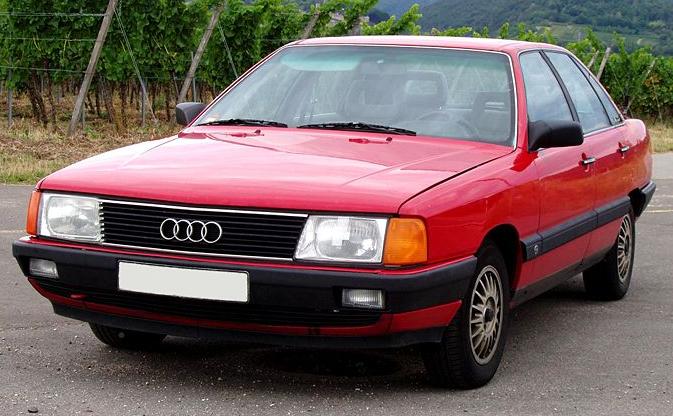
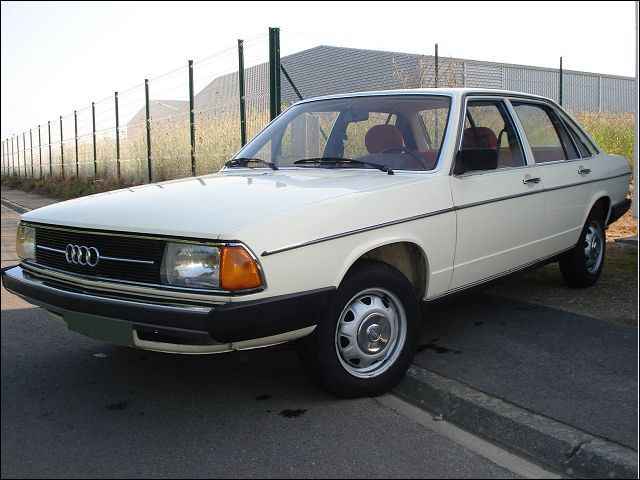
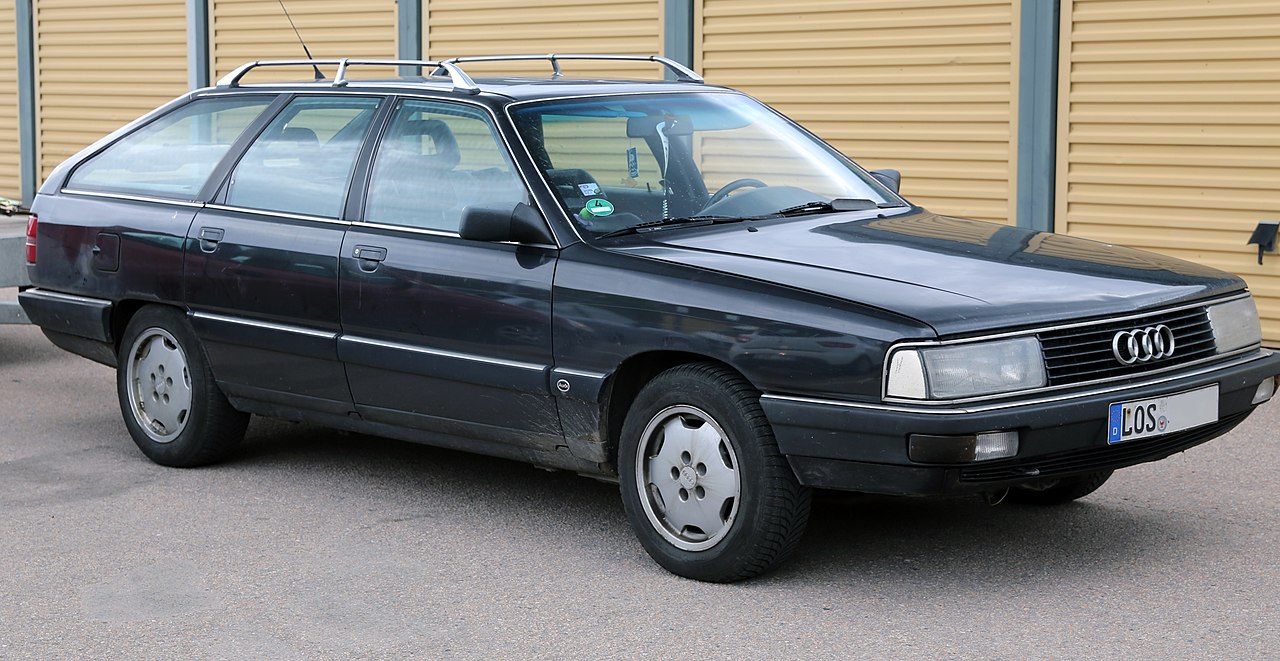
The Audi 100 was a mid-to-large executive car built by Audi between 1968 and 1994. Offered mainly as a four-door saloon and a five-door estate, the model line occupied the brand's upper-middle market and set the stage for later models in Audi's range. It served as the platform for the sportier, better-equipped Audi 200 in some markets, and in 1994 the 100 nameplate was succeeded by the modernized Audi A6.
Image gallery
10 Images





Design and characteristics
The 100 was known for combining roomy interiors with conservative, often aerodynamic exterior styling. Over its lifetime the car featured front-wheel drive as a standard layout, while higher-spec versions and related models sometimes offered Audi's four-wheel drive system. The estate (Avant) version provided practical cargo capacity and helped the 100 appeal to families and business users.
Engines and variants
Throughout its production the Audi 100 was available with a range of gasoline and diesel engines. Most mainstream versions used four-cylinder powerplants, while a distinct five-cylinder petrol variant was marketed as the Audi 200 in many markets. Transmissions included manual and automatic options, and models varied by trim level to span from basic transport to luxury-orientated equipment.
Development and history
The 100 evolved through several generations from the late 1960s through the early 1990s. Each generation brought improvements in build quality, refinement and technology, reflecting broader trends in automotive engineering such as improved aerodynamics and safety features. By the early 1990s the model had grown in sophistication, and Audi reorganized its naming conventions, replacing the 100 with the A6 to align with the new alphanumeric series.
Importance and notable facts
- Positioned as Audi's executive or large family car during its run.
- The Audi 200 badge identified higher-performance or better-equipped five-cylinder versions in some markets.
- Introduced practical estate (Avant) variants that broadened its appeal.
- Its evolution helped establish Audi's reputation for engineering and contributed to the development of all-wheel drive models.
Today the Audi 100 is remembered as a significant chapter in Audi's expansion into premium family and executive cars. Its mechanical layout and model breadth influenced successor vehicles and remain of interest to collectors and enthusiasts who value its combination of practicality and early advances in automobile design.
Related articles
Author
AlegsaOnline.com Audi 100 — Audi's executive car (1968–1994) Leandro Alegsa
URL: https://en.alegsaonline.com/art/7220