
Oensingen — municipality in the Gäu district, Canton of Solothurn
Oensingen is a Swiss municipality in the Gäu district of the canton of Solothurn. Overview of its geography, development, local economy, transport role, and notable features.
Overview
Oensingen is a municipality in the Gäu district within the canton of Solothurn. Located in the northwestern part of Switzerland, it functions as a local center for surrounding villages and farmland. The municipality combines residential areas, commercial zones and green spaces, and serves as a focal point for municipal services and schools.
Image gallery
6 Images


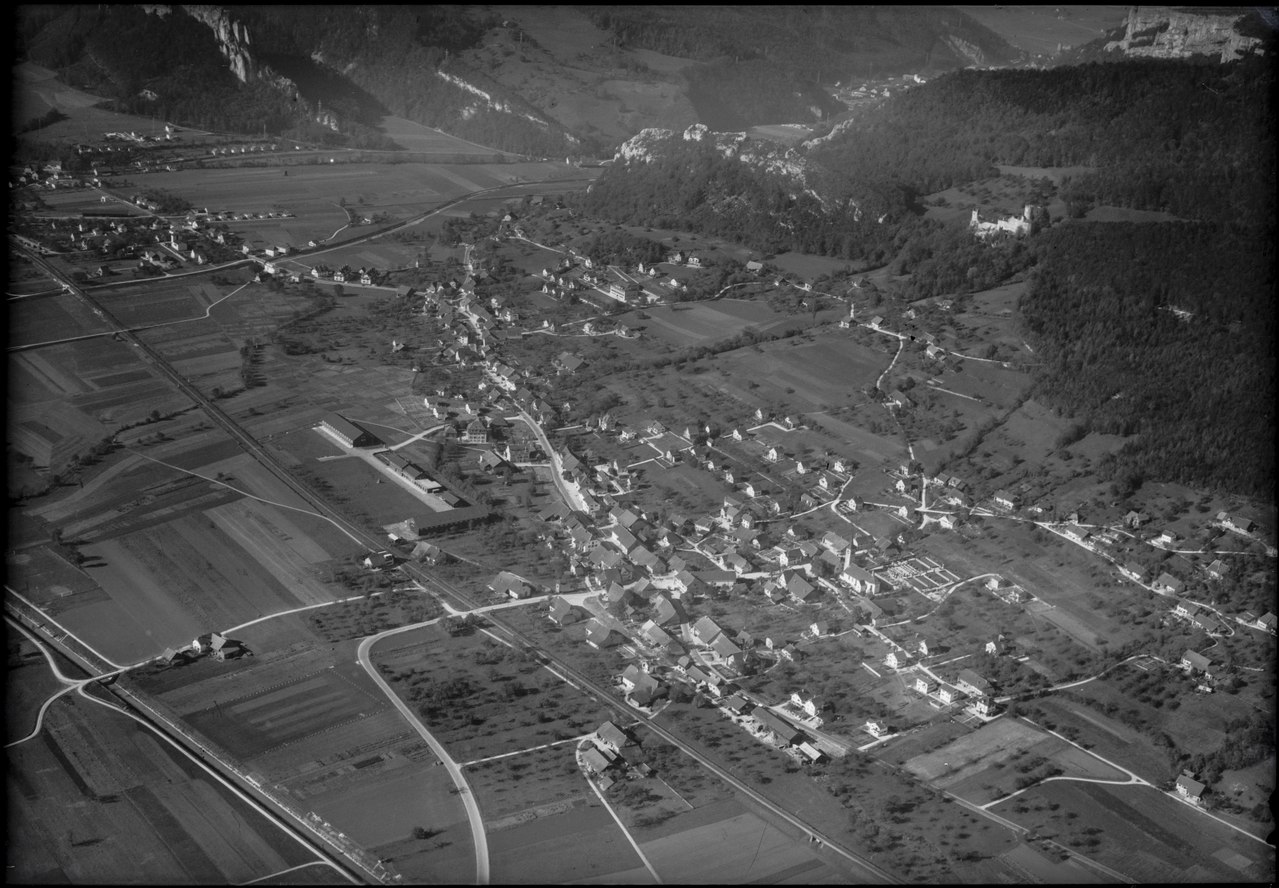


Geography and landscape
The locality lies on the Swiss plateau near the foothills of the Jura range, where agricultural fields and patches of woodland create a mixed rural-urban setting. Its terrain is generally gentle, giving way toward higher ground to the north. Local planning preserves open spaces while accommodating new housing and light industrial development.
History and development
Like many Swiss settlements, Oensingen has medieval roots and evolved slowly from an agrarian village into a more diversified community. Over the centuries the arrival of better roads and later rail connections encouraged commercial and industrial growth. Historic buildings and parish churches reflect older phases of settlement, while newer districts show post‑industrial expansion and suburbanization.
Economy and transport
The municipality supports a mixed economy: small and medium enterprises, retail services, workshops and logistics complement remaining farms. It is also notable for its role as a regional transport node that links neighbouring towns and supports commuter flows. Typical local employers are in manufacturing, building trades, retail and public services.
Community life and amenities
Residents benefit from schools, sports fields, and cultural associations that organize events year‑round. Green corridors and nearby hills provide opportunities for hiking and outdoor recreation. Local festivals and markets strengthen communal ties and attract visitors from the district.
Notable facts and distinctions
- Oensingen acts as an administrative and service hub for the Gäu district.
- Its combination of rural landscapes and developed infrastructure illustrates typical Swiss regional planning.
- Historic and modern elements coexist, reflecting steady development rather than rapid urbanization.
For further municipal information, planning documents and public services, consult official resources maintained by the local administration and canton authorities.
Related articles
Author
AlegsaOnline.com Oensingen — municipality in the Gäu district, Canton of Solothurn Leandro Alegsa
URL: https://en.alegsaonline.com/art/71997
Sources
- bfs.admin.ch : "Arealstatistik Standard - Gemeinden nach 4 Hauptbereichen"
- bfs.admin.ch : "Ständige Wohnbevölkerung nach Staatsangehörigkeitskategorie Geschlecht und Gemeinde; Provisorische Jahresergebnisse; 2018"