
Auburn, Maine: Overview, History, Economy and Cultural Highlights
Auburn is a small city in south-central Maine, the county seat of Androscoggin County. Paired with Lewiston as the "Twin Cities," it has a diverse industrial past and serves as a regional center for services and recreation.
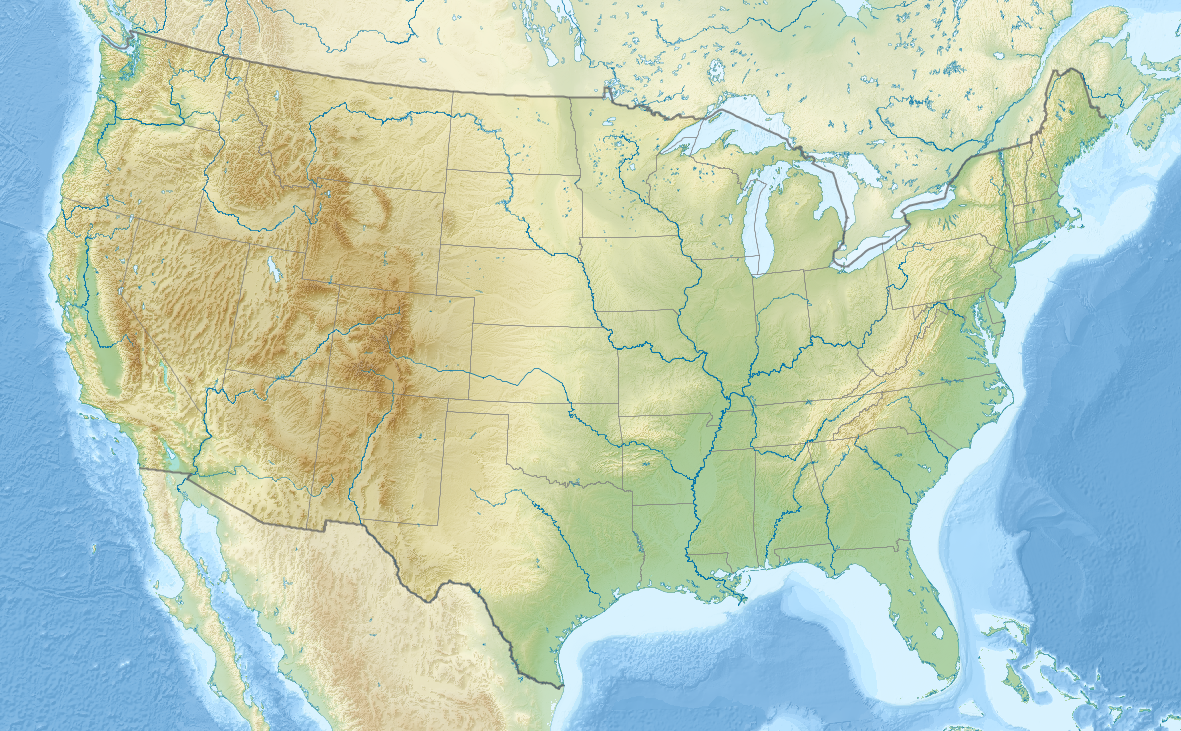
Overview — Auburn is a small city in south-central Maine, in the northeastern United States. It is the county seat of Androscoggin County and had a population of 24,061 at the 2020 census. Auburn and its neighboring city, Lewiston, are often referred to locally as the Twin Cities or Lewiston–Auburn (L–A), reflecting close economic and social ties across the Androscoggin River. The city is part of the larger regional economy of the United States Northeast and provides municipal, cultural, and commercial services to surrounding towns.
Image gallery
10 Images





Geography and layout
Auburn sits along the banks of the Androscoggin River, with mixed residential neighborhoods, commercial corridors, and former mill districts. The river and its tributaries have shaped settlement patterns, transportation routes, and the location of former industrial sites. The city's built environment includes a downtown area with civic buildings and small businesses, suburban residential zones, and parkland along waterfronts and streams. Public amenities and regional roads connect Auburn to adjacent communities and to broader parts of Maine.
History and development
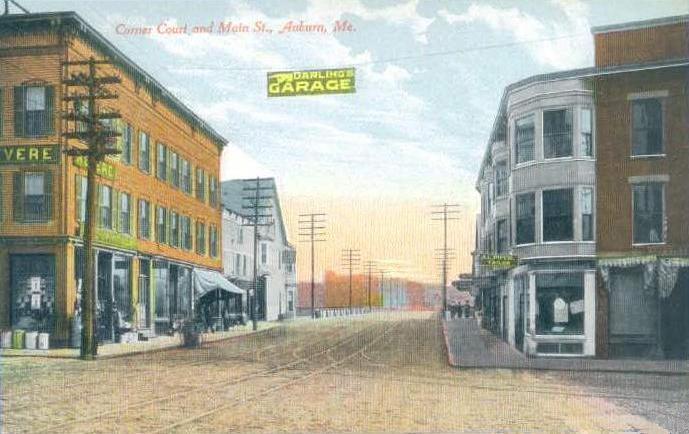
Auburn's development closely followed the rise of water-powered industry in New England. In the 19th and early 20th centuries, mills for textiles, shoes and related goods were important employers, with the river providing power and transport. Over time these industries declined or relocated, and many former mill buildings have been adapted for new uses such as offices, housing, and light manufacturing. The city’s evolution mirrors that of many small New England industrial centers that shifted toward a service-oriented and diversified local economy.
Economy, government and services
As the county seat, Auburn hosts county government functions and courthouses that serve a regional population. The local economy includes healthcare, retail, education, public services, and small- to medium-sized businesses. Downtown commercial districts and suburban shopping areas support jobs and consumer activity. The municipal government oversees planning, public works, parks, and community services that support residents and nearby towns.
Culture, recreation and education
Auburn offers recreational opportunities along the river, public parks, community events and local cultural organizations. Proximity to neighboring Lewiston expands access to educational institutions, arts venues and regional healthcare facilities. Outdoor activities such as walking trails, riverfront recreation and seasonal festivals play a visible role in local life, while civic groups and small museums preserve and interpret the area’s industrial and social history.
Notable facts and distinctions
- County seat status: Auburn serves as the administrative center of county government for Androscoggin County.
- Twin Cities: Together with Lewiston, Auburn forms the commonly used regional pair known as Lewiston–Auburn (L–A).
- Population: Recorded at 24,061 in the 2020 census, the city functions as a small regional hub within Maine and the broader United States Northeast.
Visitors and residents find Auburn a blend of historic industrial character and contemporary community life: municipal institutions, revitalized waterfront and mill sites, local businesses, parks and recurring public events contribute to the city’s ongoing identity within the region. For additional municipal information and resources, regional links and civic guides can be consulted through official and community portals.
Tags
Related articles
Author
AlegsaOnline.com Auburn, Maine: Overview, History, Economy and Cultural Highlights Leandro Alegsa
URL: https://en.alegsaonline.com/art/7191
Sources
- naco.org : "Find a County" · web.archive.org