
Astana — capital city of Kazakhstan
Astana is the planned national capital of Kazakhstan in the country's north‑central steppe. Known for rapid post‑1997 growth, striking contemporary landmarks and several official name changes.

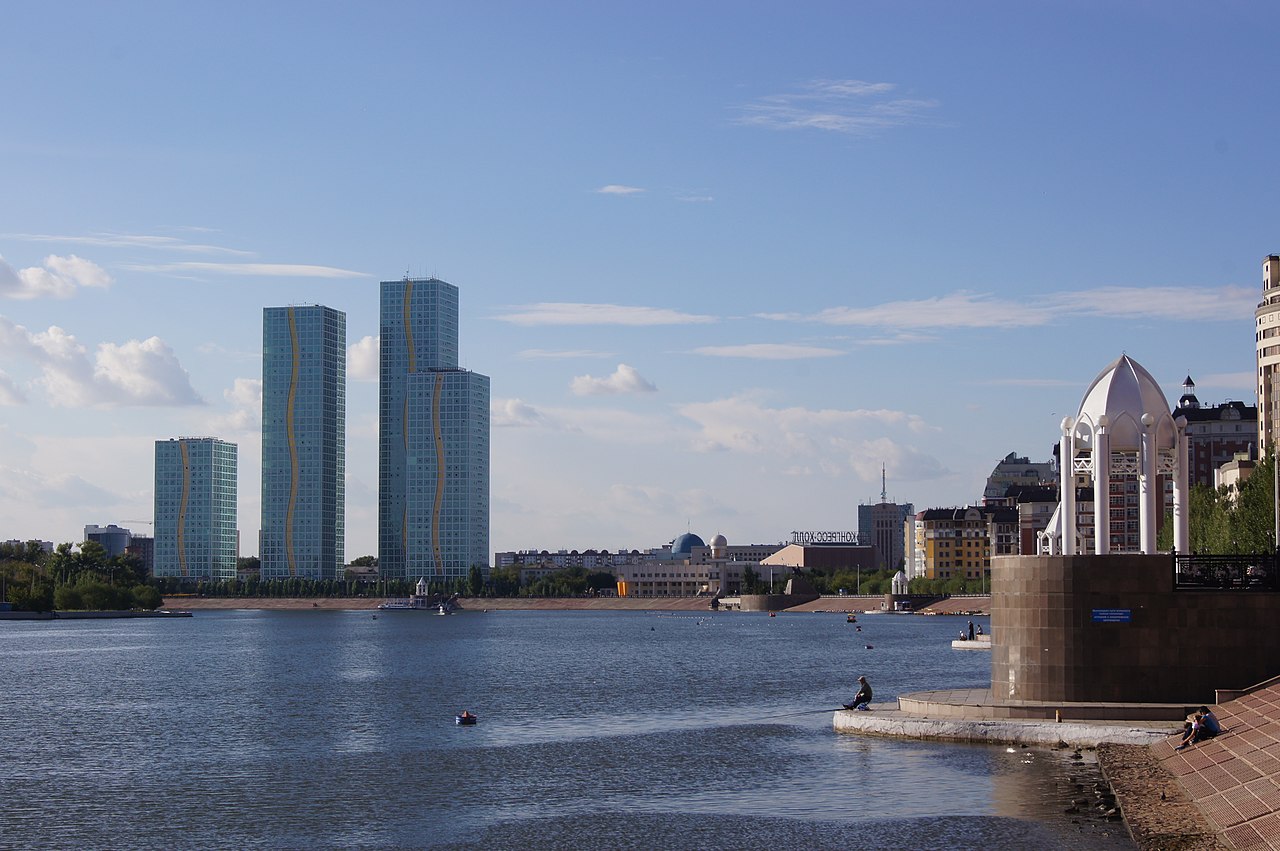
Astana is the capital city of Kazakhstan. Located in the north‑central part of the country on the banks of the Ishim (Esil) River, it has grown from a regional administrative town into the political and administrative center of the nation. Since the late 1990s the city has experienced rapid urban development driven by national investment, government institutions, and high‑profile architectural projects.
Image gallery
10 Images



Overview and role
As the seat of government and many national institutions, Astana hosts the presidential administration, parliament buildings, ministries and foreign embassies. Its deliberate designation as the national capital aimed to promote geographic balance, economic development of the northern steppe and improved transport links across the country. The city accommodates government, business, cultural venues and a growing residential population of over one million people.
History and name changes
The settlement that became Astana has existed under several names. It was historically known as Akmolinsk and later as Tselinograd during the Soviet period. Following Kazakhstan’s independence and a government decision to relocate the capital from Almaty, the city was officially designated as the national capital in the late 1990s. The modern name Astana means "capital city" in Kazakh. In 2019 the city was renamed Nur‑Sultan in honor of the country’s first president, Nursultan Nazarbayev, and in 2022 the name was reverted to Astana. These changes reflect both political developments and the symbolic importance of the city.
Geography and climate
Astana sits within the Kazakh steppe, characterized by flat terrain and wide horizons. The city occupies land on the Ishim River floodplain, which has influenced its urban layout and green space planning. Astana has a sharply continental climate with cold winters and warm summers; temperature extremes and seasonal winds are notable features that affect building design and public life.
Architecture, urban development and landmarks
Since becoming the capital, Astana has been the focus of large‑scale planning and construction. The skyline mixes monumental government complexes, experimental contemporary architecture and planned residential districts. Signature landmarks include the Bayterek observation monument, the tent‑like Khan Shatyr entertainment center, the Palace of Peace and Reconciliation (a pyramid), and the spherical museum from the international exposition hosted by the city. These projects were intended to create a modern national image and to support tourism and civic identity.
- Bayterek Tower — symbol and observation point
- Khan Shatyr — large tensile structure and shopping/entertainment space
- Palace of Peace and Reconciliation — cultural and conference venue
- Nur‑Alem (Expo) sphere — science and exhibition facility
Transport, economy and culture
Astana functions as a transport hub with national road and rail connections and an international airport serving domestic and international routes. The local economy centers on public administration, construction, services and events; conferences and cultural festivals bring national and international visitors. The city’s planners have prioritized parks, boulevards and public squares to accommodate civic life and seasonal activities.
Pronunciation and international notes
The word Astana is simple in many languages. Pronunciation guidance is provided in various language references: English speakers often say "As‑ta‑na", and speakers of other European languages, such as German, use similar syllabic patterns ("As‑ta‑na"). The city’s name and role continue to be subjects of interest both within Kazakhstan and abroad as an example of a purposefully developed national capital.
For official information and further reading about administrative functions, urban projects and recent events connected to the city, consult governmental and cultural resources linked to the nation’s capital designation and planning documents (capital city resources).
Related articles
Author
AlegsaOnline.com Astana — capital city of Kazakhstan Leandro Alegsa
URL: https://en.alegsaonline.com/art/71460