
Nukuʻalofa — capital and principal city of Tonga
Nukuʻalofa is Tonga’s capital on the island of Tongatapu. It is the nation's political, economic and cultural centre and contains important government buildings, markets and the main port.
Nukuʻalofa is the capital and largest urban centre of the Kingdom of Tonga. It sits on the north coast of the main island of Tongatapu, where coastal plains meet lagoon and reef. The town functions as Tonga’s seat of government, principal port and a focal point for commerce and cultural life in the archipelago.
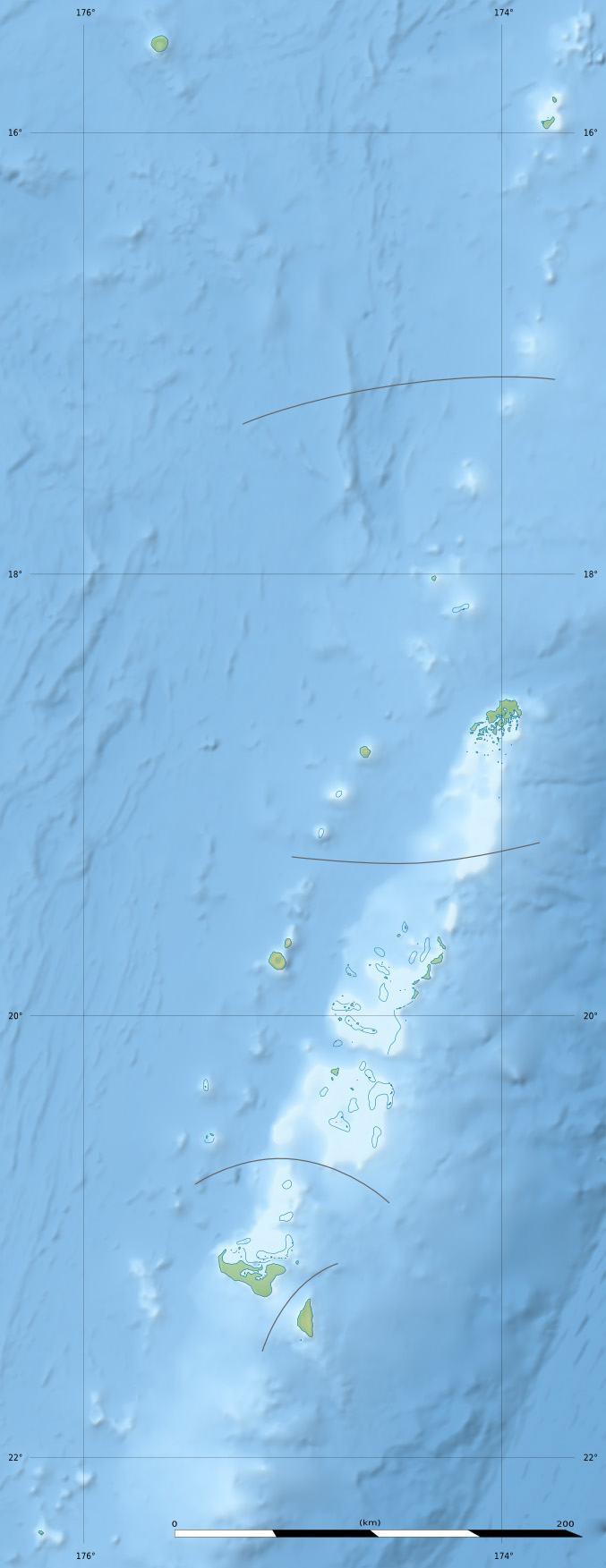
Geographically, Nukuʻalofa occupies a series of low-lying coastal neighbourhoods and is linked to surrounding villages and farmland. It is commonly described as part of the larger Tongatapu urban area; information and travel pages for the island often treat the capital as the gateway to domestic services, inter-island shipping and regional administration.
As the political centre, the town is home to the royal residence and key public institutions including the Legislative Assembly and ministries. Nukuʻalofa developed as an administrative and commercial hub in the 19th century and grew around waterfront trade, local markets and government functions. It remains the principal location for national ceremonies and official events.
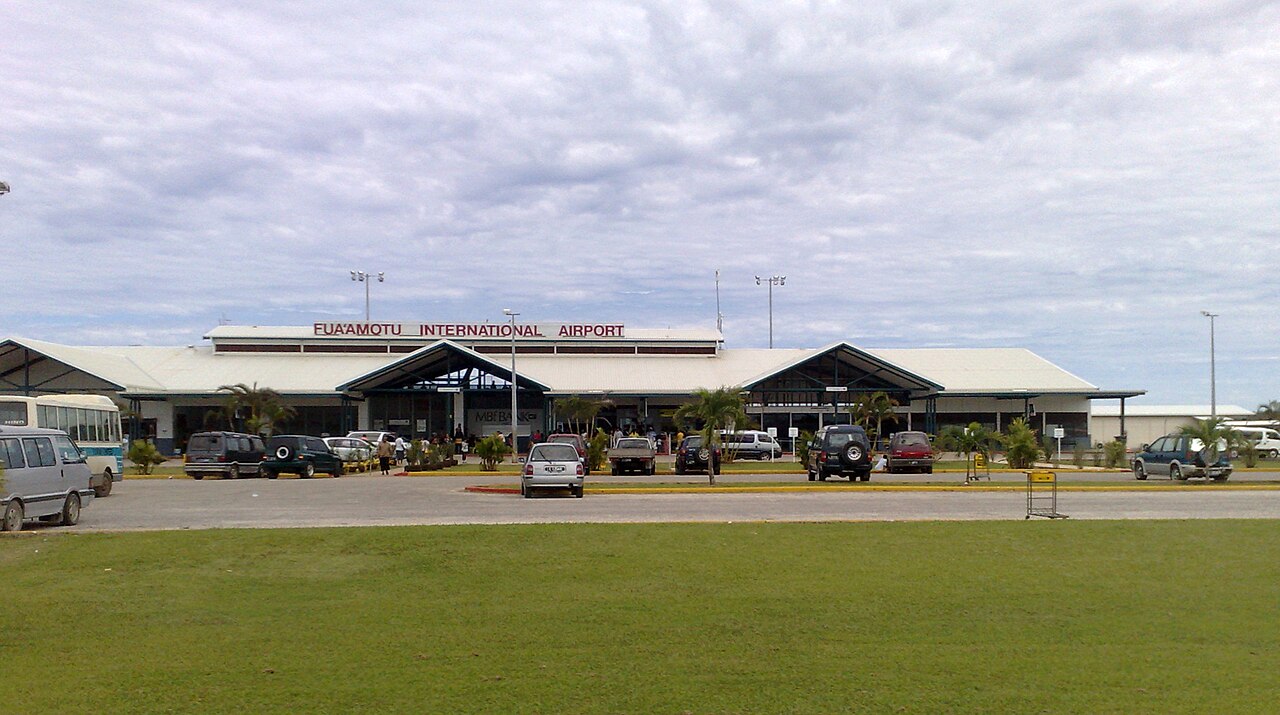
The local economy mixes government employment, retail and service industries, tourism-related businesses and informal markets. Nukuʻalofa is served by the country’s main international transport links: air travellers use nearby Fuaʻamotu Airport and shipping connects the port to domestic and regional destinations (see airport information). Markets, handicraft sellers and small shops provide much of the visible street activity.
Population figures vary by date; historically the capital has contained a large share of Tonga’s residents — roughly one third of the national population in some counts. For example, census data from 1996 recorded about 22,400 inhabitants in Nukuʻalofa, though later estimates indicate growth tied to internal migration and urban expansion.
Image gallery
10 Images




Notable places and issues
- Government and ceremonial sites: the royal palace, parliamentary buildings and main ministries are clustered in the city centre.
- Markets and cultural life: weekly markets and church congregations shape social rhythms and local commerce.
- Transport links: the port and nearby international airport provide connections to other islands and overseas.
- Environmental concerns: like other low-lying Pacific towns, Nukuʻalofa faces vulnerability to tropical cyclones, coastal erosion and sea-level change.
Nukuʻalofa therefore functions as Tonga’s administrative heart, principal transport hub and a centre for the nation’s economic and social exchange, while also reflecting broader challenges and changes affecting Pacific capitals.
Related articles
Author
AlegsaOnline.com Nukuʻalofa — capital and principal city of Tonga Leandro Alegsa
URL: https://en.alegsaonline.com/art/71410