
Norman Hunter (English footballer, 1943–2020)
Long-serving English central defender best known for his time at Leeds United, capped by England and later active in coaching; hospitalised with COVID-19 in April 2020 and died aged 76.
Overview
Norman Hunter (29 October 1943 – 17 April 2020) was an English professional footballer who played primarily as a central defender. He is most closely associated with Leeds United, for whom he spent the prime of his career, and he also represented the England national team. Hunter was widely regarded for his physical presence, consistency and leadership at the back.
Image gallery
8 Images





Playing style and reputation
Hunter earned a reputation as a tough, combative defender, noted for strong tackling, aerial ability and uncompromising marking. His tenacity on the field led to a popular nickname among supporters. While his approach could be intimidating for opponents, he was also praised for reading the game and for positional discipline that helped his teams defend as a unit.
Club career
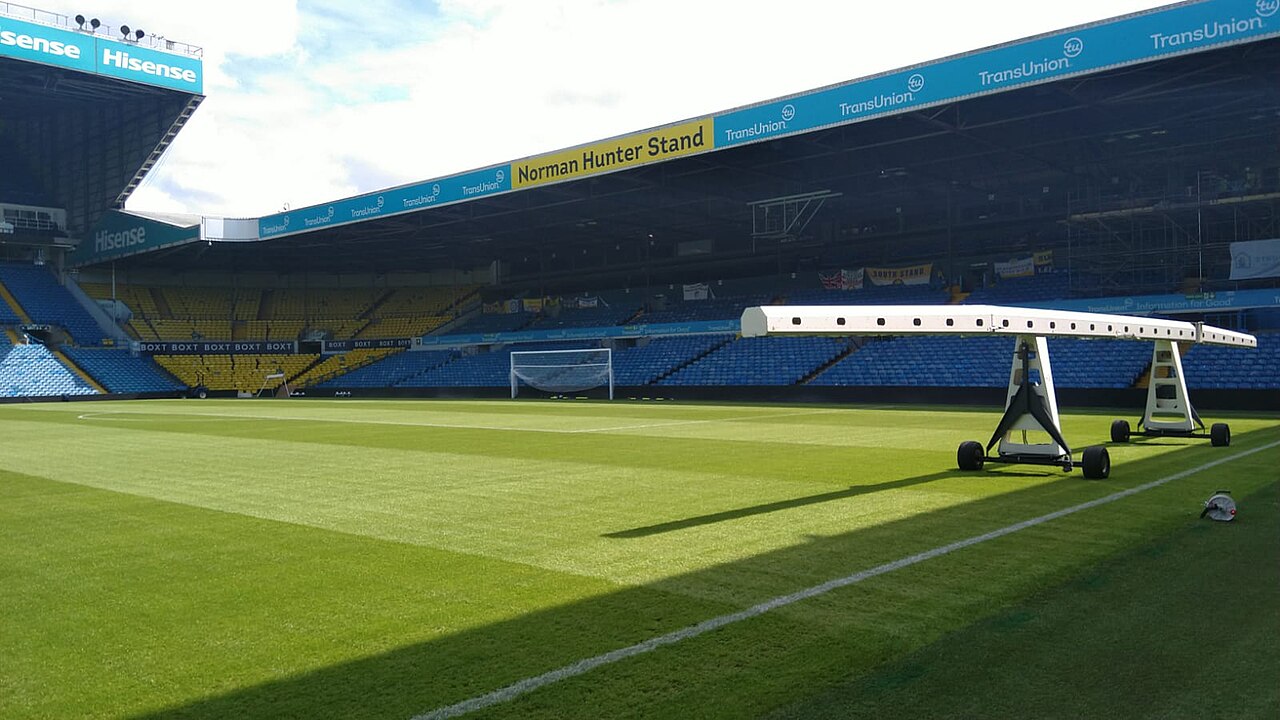
Hunter's best-known spell was with Leeds United, where he was a mainstay of the defence during a successful period for the club. Later in his career he played for Bristol City and Barnsley. Across these teams he combined durability with experience, becoming a respected figure in English club football and contributing to campaigns at both domestic and European levels.
International career
On the international stage, Hunter won more than twenty appearances for England, and he was selected in squads for major competitions during the late 1960s and early 1970s, including participation at the 1970 FIFA World Cup. His international appearances reflected his standing among England defenders of his generation.
Later life and death
After retiring as a player Hunter remained involved in football through coaching, scouting and occasional media work. In April 2020 he was hospitalised with COVID-19 in Leeds on 10 April. He died a week later on 17 April 2020 at the age of 76. His passing prompted tributes from former teammates, clubs and supporters who remembered him as a defining figure of his era.
Legacy and notable facts
Hunter is remembered as one of the prominent English defenders of his time: respected by fans for commitment, admired by peers for consistency. His career is often cited in discussions of the successful Leeds teams of the late 1960s and early 1970s and he remains a notable name in histories of that period.
- Primary position: central defender
- Best known club: Leeds United
- Also played for: Bristol City, Barnsley
- England appearances: more than twenty caps (England)
- Hospitalised with COVID-19 in Leeds in April 2020
Related articles
Author
AlegsaOnline.com Norman Hunter (English footballer, 1943–2020) Leandro Alegsa
URL: https://en.alegsaonline.com/art/70753
Sources
- englandfootballonline.com : "England players: Norman Hunter"
- bbc.co.uk : "Norman Hunter: Leeds United legend dies after contracting coronavirus"
- standard.co.uk : "Norman Hunter dead: Leeds United legend dies aged 76 after contracting coronavirus"