
Night game (sports)
An outdoor sporting event played after sunset under artificial or low natural light. Covers terminology, lighting, effects on play and spectators, history and common examples across sports.
Overview
A night game, often called a "nighter," is an athletic contest held after sunset or in conditions of low natural light. The designation is most commonly applied to outdoor competitions that require artificial illumination or special scheduling so play can continue safely and fairly. The term is used within many sports contexts to distinguish evening fixtures from daytime matches.
Image gallery
4 Images
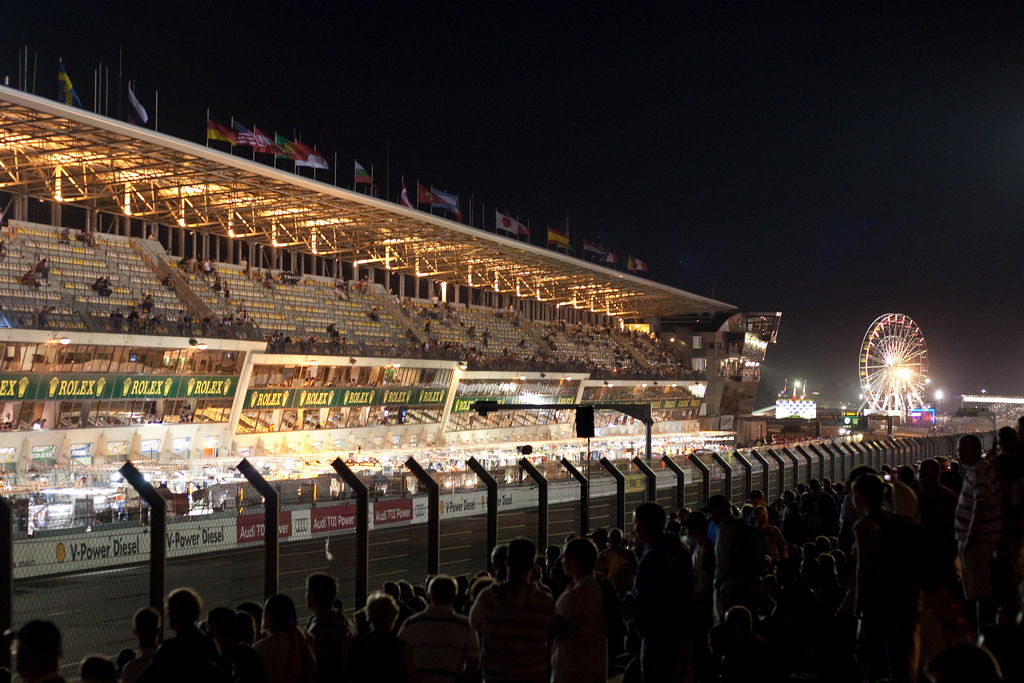


Characteristics and equipment
Night games rely on stadium lighting, which ranges from permanent floodlight towers to temporary rental rigs for smaller venues. Proper illumination aims to reduce shadows, control glare and preserve accurate color and contrast so players, officials and spectators can judge speed, trajectory and distance. Lighting also interacts with other conditions common at night, such as cooler air, increased humidity or surface dew, which can affect ball behavior and ground conditions.
History and development
The practice of staging events after dark expanded in the 20th century as electric lighting became more powerful and affordable. Professional leagues adopted night schedules to attract larger crowds and accommodate spectators' work hours. In some sports, innovations followed: for example, Major League Baseball played its first official night game in the 1930s, and cricket introduced modern day–night Test matches in the 2010s to allow longer viewing windows under artificial light. As broadcast and commercial interests grew, evening kickoffs and prime-time slots became standard in many competitions.
Uses and cultural importance
Night games serve several functions. They allow organizers to reach television audiences in peak viewing hours, offer cooler temperatures for players in hot climates, and create a distinctive atmosphere under lights that many fans find exciting. Some traditions — such as high school football under floodlights or evening baseball doubleheaders — contribute to local and national sporting cultures. The dramatic visual of illuminated fields has also become a marketing and identity element for clubs and venues.
Effects on play and logistics
- Visibility: Artificial light changes contrast and can alter how fast objects appear to move; ball color and markings are chosen for visibility.
- Playing surface: Nighttime cooling and dew can make grass or turf slick, influencing traction and ball bounce.
- Scheduling and safety: Organizers must meet lighting standards, provide clear signage and adapt transport and staffing for late events.
- Broadcasting: Evening kickoff windows are often negotiated for television audiences, affecting kickoff times and competition calendars.
Examples and notable distinctions
Common examples of night games include baseball, association football (soccer), American football, cricket’s day–night formats and evening tennis matches in large stadiums. Indoor sports can also take place at night, but since indoor venues use controlled lighting regardless of hour, those events are less often labeled "night games." The phrase "nighter" remains a colloquial shorthand in many fan communities and media reports.
Questions and answers
Q: What is a night game?
A: A night game is a sports game that happens at night.
Q: How is a night game played?
A: Depending on the sport, a night game can either be played with floodlights or with the usual low-light conditions.
Q: Is the term "night game" used for both indoor and outdoor sports events?
A: No, the term "night game" is typically used only for sports usually held outdoors.
Q: Do indoor sports usually have lights regardless of the time of day they happen?
A: Yes, indoor sports often happen at night, but they have lights regardless of the time of day they happen.
Q: What is another term for a night game?
A: Another term for a night game is "nighter".
Q: Does the text state whether night games are popular or not?
A: No, the text does not state whether night games are popular or not.
Q: What is the purpose of having a night game?
A: The purpose of having a night game is to be able to play sports after dark, allowing for a longer playing time and wider audience.
Related articles
Author
AlegsaOnline.com Night game (sports) Leandro Alegsa
URL: https://en.alegsaonline.com/art/70123