
Niedererlinsbach (former municipality in Solothurn, Switzerland)
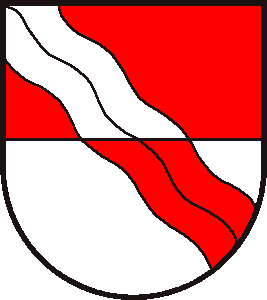
Niedererlinsbach was a municipality in the district of Gösgen, canton of Solothurn. On 1 January 2006 it merged with Obererlinsbach to form the municipality called Erlinsbach.
Niedererlinsbach was a small municipality in the Gösgen district of the canton of Solothurn in Switzerland. For most of its recent administrative history it functioned as a village-scale local government unit with the typical mixture of residences, farmland and community buildings found in Swiss rural municipalities. Local life centred on village services, local roads and agricultural land that linked inhabitants to nearby towns and markets.
Image gallery
7 Images


History and merger
The most significant recent change in Niedererlinsbach's status occurred on 1 January 2006, when it was merged with the neighbouring municipality of Obererlinsbach. The two former municipalities combined their administrations and territories to form the new municipality named Erlinsbach. This kind of municipal consolidation is common in Switzerland as communities seek greater administrative efficiency and improved public services.
Geography and character
Located within the Gösgen district, Niedererlinsbach occupied a modest area typical of Swiss rural settlements. The landscape and land use were predominantly agricultural with patches of woodland and built-up village cores. Infrastructure and daily life were oriented toward nearby regional centres for shopping, education and employment, while local traditions and community institutions maintained a village identity even after administrative changes.
Administration and legacy
After the 2006 merger, municipal responsibilities such as local planning, schooling and utilities were handled by the new Erlinsbach administration. Historically, records, local place names and cultural features continued to reflect the former municipality; residents and historians still refer to Niedererlinsbach when discussing older administrative boundaries, genealogies and land registers.
Key facts and links
- Niedererlinsbach — municipal profile
- Canton of Solothurn information
- Switzerland — country overview
- Obererlinsbach — neighbouring former municipality
- Erlinsbach — the merged municipality
Today Niedererlinsbach is most often encountered as a historical place-name and as part of the territory of Erlinsbach. For readers seeking administrative data, historical records, maps or local descriptions, official municipal and cantonal sources provide the most reliable information about the former municipality and its evolution into the present municipal structure.
Related articles
Author
AlegsaOnline.com Niedererlinsbach (former municipality in Solothurn, Switzerland) Leandro Alegsa
URL: https://en.alegsaonline.com/art/70050
Sources
- bfs.admin.ch : Nomenklaturen – Amtliches Gemeindeverzeichnis der Schweiz
- commons.wikimedia.org : Niedererlinsbach