
Nichinan, Miyazaki
Nichinan is a coastal city in Miyazaki Prefecture, Kyushu, Japan, known for scenic coastline, the historic Obi castle town, coastal capes, fishing and tourism.
Nichinan is a coastal city in Miyazaki Prefecture on the island of Kyushu in Japan. The municipal area encompasses a stretch of Pacific coastline notable for scenic headlands, beaches and agricultural lowlands. The city government maintains information and services on its official portal (city website).
Image gallery
8 Images




Geography and climate
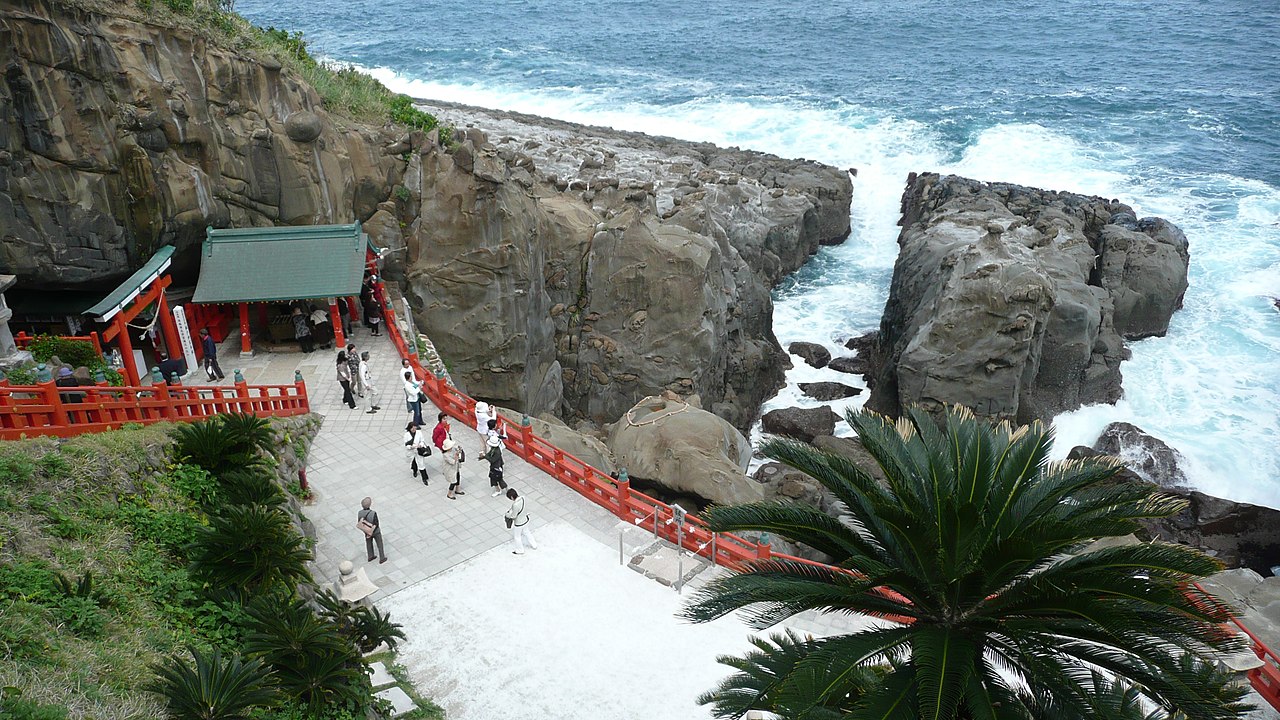
Nichinan faces the Pacific Ocean and includes rocky capes and small bays. The local climate is generally humid subtropical, with warm summers and mild winters that support a variety of subtropical plants in coastal pockets. Rivers and low-lying plains supply irrigation for orchards and other agriculture in the region.
History and historic districts
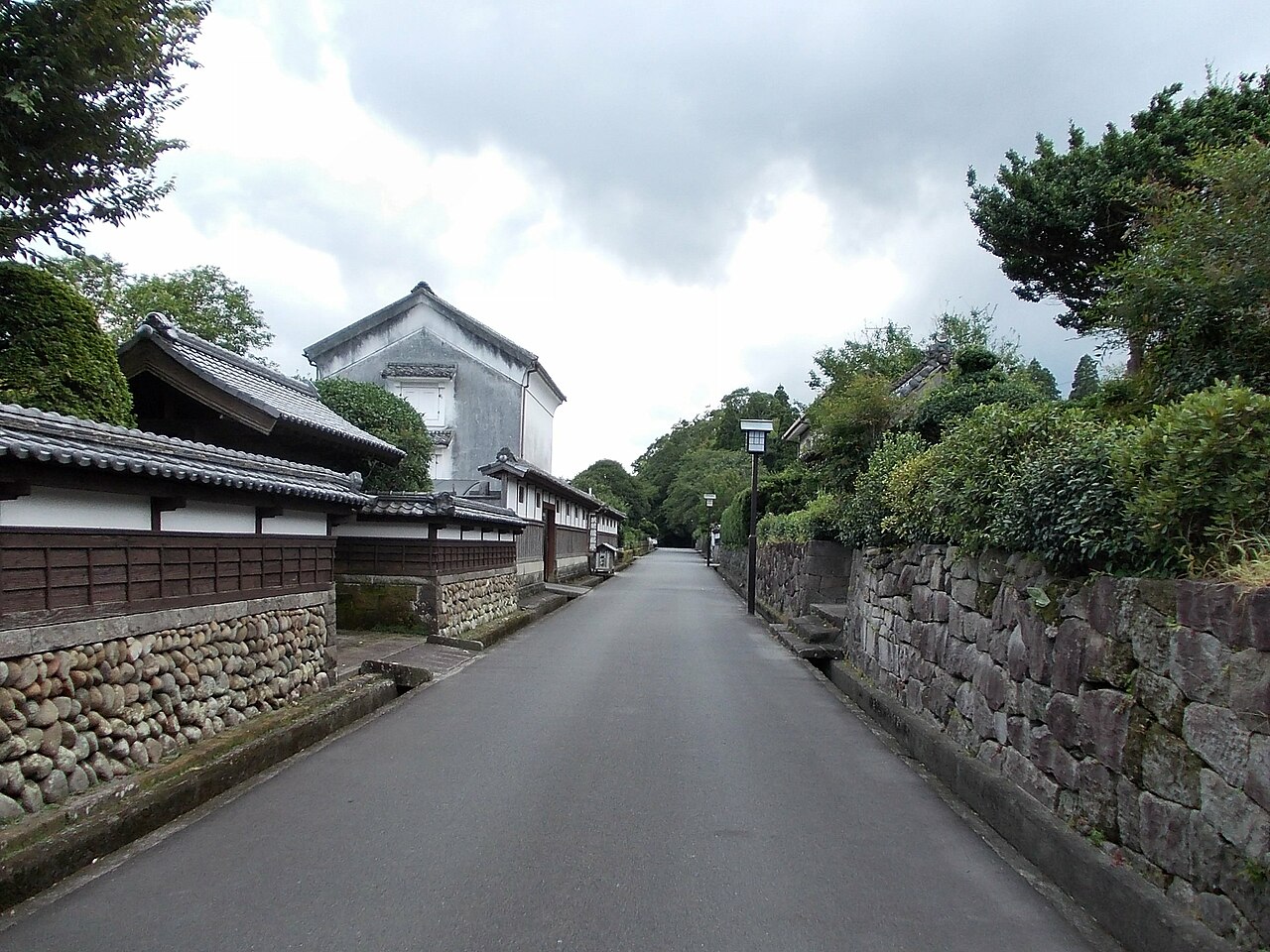
The area that is now Nichinan was long part of the historic Hyūga region. During the feudal period a castle town developed around the Obi domain; the preserved streets and castle ruins of the Obi district remain one of the city's principal heritage areas. Over time the municipality formed through consolidation of smaller towns and villages and now combines coastal fishing communities with inland agricultural settlements.
Economy and culture
Local economic activity blends primary industries and tourism. Fishing and aquaculture are important along the coast, while farming in surrounding plains produces fruit, vegetables and other crops. Tourism focuses on the historic Obi district, coastal scenery and shrines. Cultural life features seasonal festivals, local crafts and regional cuisine that emphasizes fresh seafood and ingredients from Miyazaki Prefecture.
Attractions and transport
- Obi historic district and castle remains, a well-preserved samurai-era neighborhood.
- Coastal capes and viewing points that attract visitors for scenery and wildlife.
- Notable local shrines and small temples often visited by pilgrims and tourists.
- Rail access via the JR Nichinan Line and regional roads link the city to other parts of Miyazaki Prefecture and to larger urban centers in Kyushu.
As a coastal municipality, Nichinan combines natural scenery, historical sites and local industry. It is representative of many regional cities in Kyushu that balance preservation of heritage with contemporary community life and economic activity.
Related articles
Author
AlegsaOnline.com Nichinan, Miyazaki Leandro Alegsa
URL: https://en.alegsaonline.com/art/69934
Sources
- books.google.com : "Nichinan,"