
Atlanta metropolitan area
The Atlanta metropolitan area, often called Metro Atlanta, is a large 29-county region in north Georgia centered on the city of Atlanta and known as a major transportation and economic hub.
Overview
The Atlanta metropolitan area is the urban and suburban region surrounding the city of Atlanta. The U.S. Office of Management and Budget designates it as the Atlanta–Sandy Springs–Roswell, GA Metropolitan Statistical Area, commonly shortened to Metro Atlanta. It is the largest metropolitan area in the state of Georgia and has been ranked among the ten most populous metro areas in the United States.
Image gallery
9 Images



Geography and composition
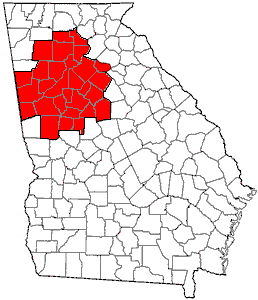
The metropolitan area covers a ring of counties in north Georgia; the core consists of Fulton and DeKalb counties, with additional counties radiating outward to include both dense suburbs and more rural exurbs. In total, the MSA comprises 29 counties, a mix of city centers, suburban municipalities and undeveloped or agricultural land. Its geography is characterized by rolling hills and a network of interstate highways that facilitate commuter and freight movement across a broad area.
History and development
The region grew around Atlanta's 19th-century role as a railroad junction and expanded rapidly in the 20th and 21st centuries with the rise of air travel, interstate highways and suburban housing. Postwar suburbanization and later economic diversification encouraged population growth well beyond the original city limits. Atlanta's prominence during the Civil Rights era and its development as a regional cultural center also contributed to its metropolitan influence.
Economy and importance
Metro Atlanta functions as a major economic hub for the Southeast. Key sectors include transportation and logistics, corporate headquarters and finance, media and communications, higher education, and technology. The region is anchored by Hartsfield–Jackson Atlanta International Airport, one of the busiest passenger airports in the world, which supports both local employment and national connectivity. Several large corporations, universities and cultural institutions are based in the area, reinforcing its regional and national role.
Characteristics and infrastructure
- Population: The area has experienced sustained growth; past estimates placed its population in the several millions, making it one of the most populous in the nation.
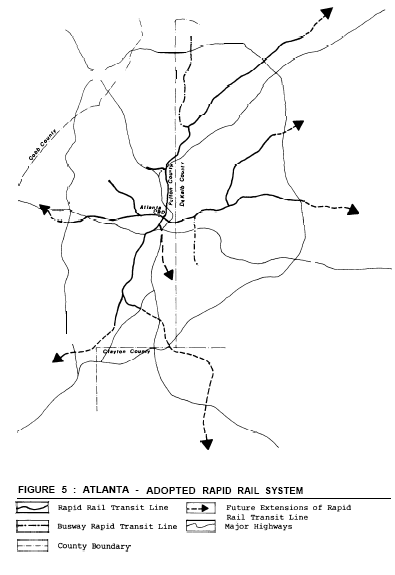
- Transportation: A dense highway network and a major international airport coexist with more limited rail- and bus-based transit options within the urban core.
- Urban form: The metro area is noted for its polycentric layout—multiple activity centers rather than a single dominant downtown—and for suburban and exurban sprawl.
Notable facts and distinctions
The metropolitan area is frequently referred to colloquially as "Metro Atlanta." Official statistical definitions (MSA and, in some contexts, larger combined statistical areas) are used for planning and federal reporting. While rapid growth has brought economic opportunity, it has also created challenges in transportation, land use and environmental management that continue to shape policy and development decisions across the region.
Related articles
Author
AlegsaOnline.com Atlanta metropolitan area Leandro Alegsa
URL: https://en.alegsaonline.com/art/6970