
Neustrelitz: baroque town and former capital in Mecklenburg-Vorpommern
Neustrelitz is a town in Mecklenburg-Vorpommern, Germany, formerly the capital of the Grand Duchy of Mecklenburg-Strelitz. Known for its planned baroque layout, lakes and park landscapes, it had about 21,000 residents in 2016.
Neustrelitz is a small German town in the state of Mecklenburg-Vorpommern that served as the capital of the historic Grand Duchy of Mecklenburg-Strelitz. It occupies a prominent position within the Mecklenburg Lake District and is noted for its planned, baroque-style town center, surrounding parks and proximity to several lakes. The town had a population of roughly 21,000 people in 2016.
Image gallery
10 Images


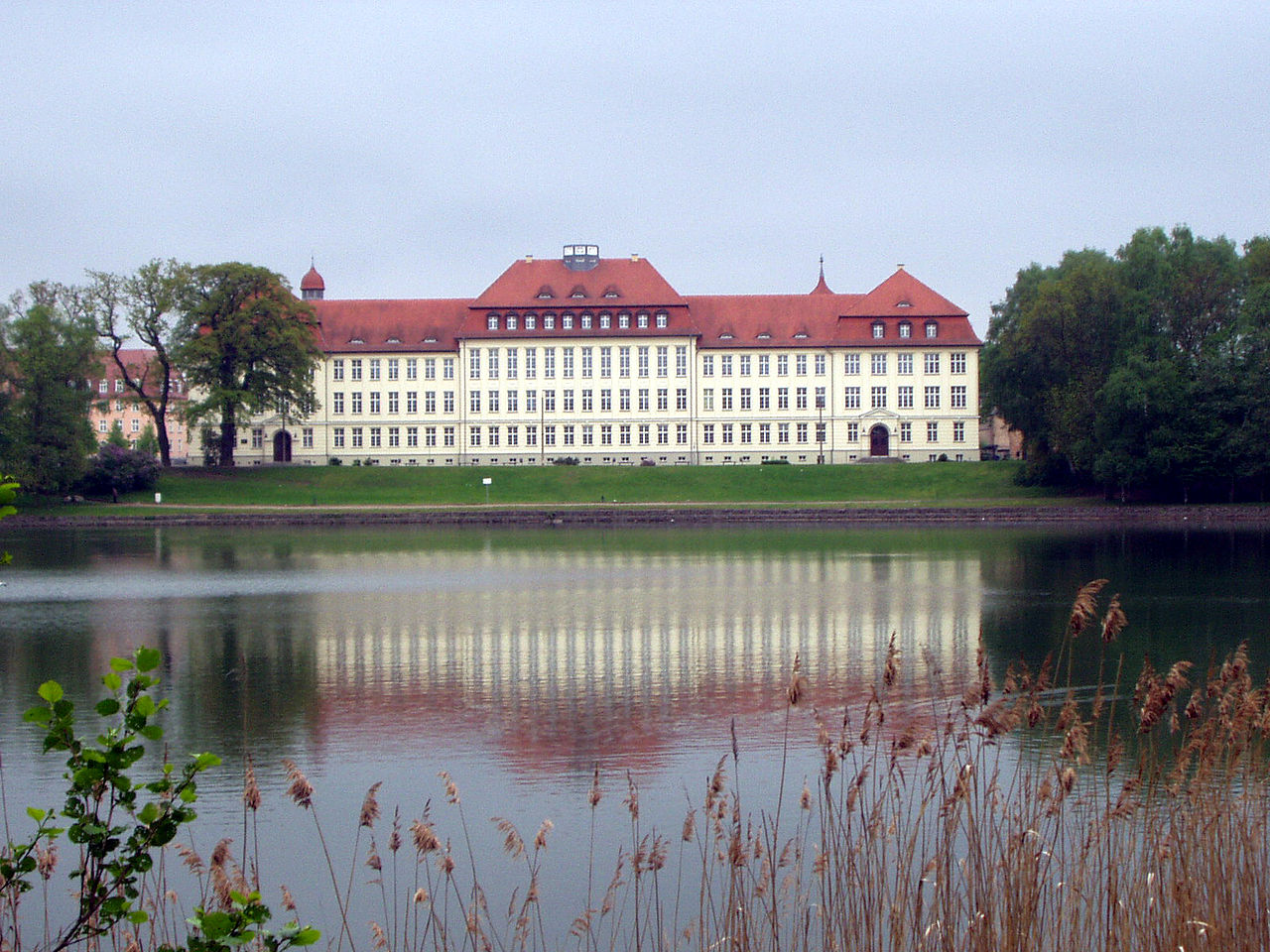
History and development
Founded in the early 18th century as the seat of local rulers, Neustrelitz grew up in close connection with the ducal household and its gardens. The town's layout reflects deliberate planning typical of that period: broad avenues, a central market area and a palace complex with adjacent green spaces. Many historic buildings were damaged or destroyed during the upheavals of the 20th century, and the surviving ensemble combines preserved structures with later reconstructions.
Geography and town plan
Neustrelitz lies in the southern part of Mecklenburg-Vorpommern amid a landscape of lakes, forests and agricultural land. The municipal area includes parts of the Mecklenburg Lake District, making water and natural scenery important to local life and recreation. The town center retains a formal geometric arrangement and is complemented by the former palace park, smaller urban gardens and tree-lined streets.
Culture, economy and notable features
Today Neustrelitz functions as a regional service and cultural center. Tourism related to lakes, cycling and historical interest is important, alongside small-scale industry, shops and public administration. Visitors are often drawn to:
- park and garden areas linked to the former ducal residence
- local museums and seasonal cultural events
- access to nearby lakes and outdoor recreation opportunities
Transport and contemporary role
The town is connected to neighboring cities by regional roads and rail services, providing links for commuters and visitors. Neustrelitz is about 30 kilometers from Neubrandenburg, which can be reached by regional transport options (route and timetable information). Administratively it is part of the wider Mecklenburgische Seenplatte district and continues to act as a local hub for surrounding communities.
While no longer a sovereign capital, Neustrelitz retains a distinct historic character and a landscape-rich setting that underline its continuing appeal as a place to live and visit in northern Germany.
Related articles
Author
AlegsaOnline.com Neustrelitz: baroque town and former capital in Mecklenburg-Vorpommern Leandro Alegsa
URL: https://en.alegsaonline.com/art/69378