
Neola, Iowa
Neola is a small city in western Iowa known for its rural setting, local community life, and proximity to larger urban areas in the American Midwest.
Neola is a small city in western Iowa, United States. It occupies a rural setting typical of the American Midwest, with a mix of residential neighborhoods, agricultural land and community facilities. The town functions as a local center for surrounding farms and as a quiet residential community for people who commute to nearby urban areas.
Image gallery
2 Images
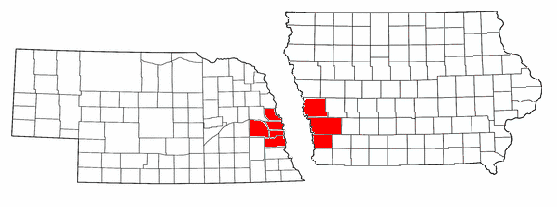
Geography and layout
Neola sits amid rolling plains and cultivated fields that characterize much of this part of Iowa. Streets are laid out in a compact grid in the central area, with civic buildings, churches and small businesses near the core. Residential areas and outlying farms extend into the surrounding countryside, and green spaces and parks provide recreational options for residents.
History and development
Like many towns in the region, Neola grew in the 19th and early 20th centuries as agriculture expanded and transportation links improved. Railroads and rural roads helped shape its growth, bringing goods and enabling farm produce to reach wider markets. Over time the town adapted to changing economic patterns while retaining a small‑town character.
Economy and community life
The local economy centers on agriculture, small enterprises, and services that support daily life. Schools, volunteer organizations, churches and community events play a major role in social life. Residents often rely on nearby cities for specialized services, employment and cultural activities, while preserving strong local connections, volunteerism and civic traditions.
Notable aspects and regional ties
Neola is representative of small Midwestern towns that balance rural roots with links to larger metropolitan areas. Its location provides both a quiet rural lifestyle and reasonable access to broader regional economies. For more information about municipal services, history or local events, consult regional resources or official local pages in the United States government and state archives. Further reading
- Typical features: agricultural surroundings, community institutions, small businesses.
- Transportation: local roads connecting to county and regional highways.
- Community focus: schools, parks and volunteer organizations.
Related articles
Author
AlegsaOnline.com Neola, Iowa Leandro Alegsa
URL: https://en.alegsaonline.com/art/69141