
Neamț County (Romania)
Neamț County (Romanian: Județul Neamț) is in northeastern Romania, in the historical region of Moldavia. Its capital is Piatra Neamț; the county combines mountain landscapes, monasteries and historical fortresses.

Neamț County (Romanian: Județul Neamț) lies in northeastern Romania within the historical region of Moldavia. The county seat is Piatra Neamț and the common vehicle code is NT. The name Neamț is the traditional Romanian word for "German," a toponym with medieval roots. The county's approximate coordinates are 47° N, 26°22' E.
Image gallery
10 Images





Geography and boundaries
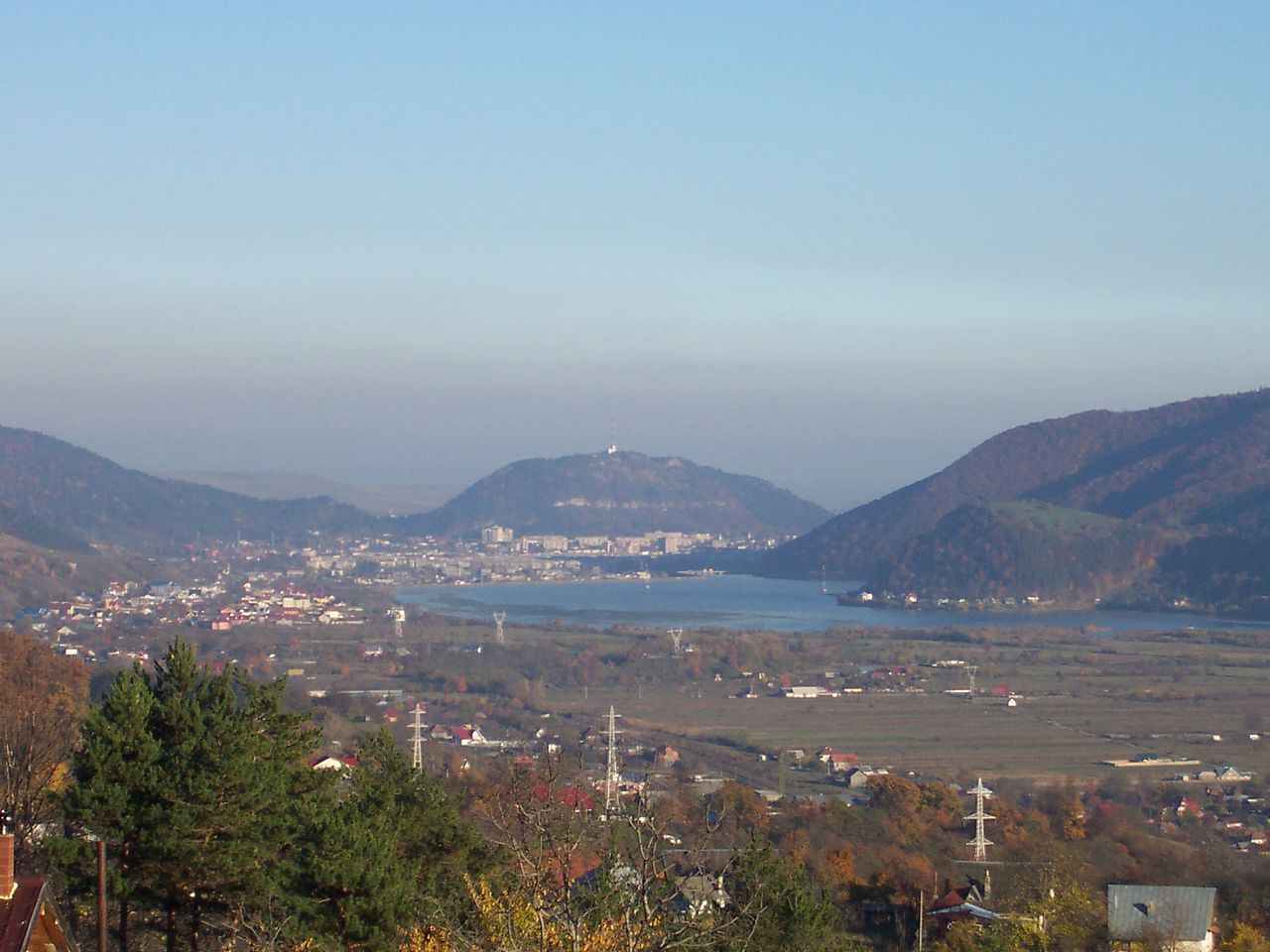
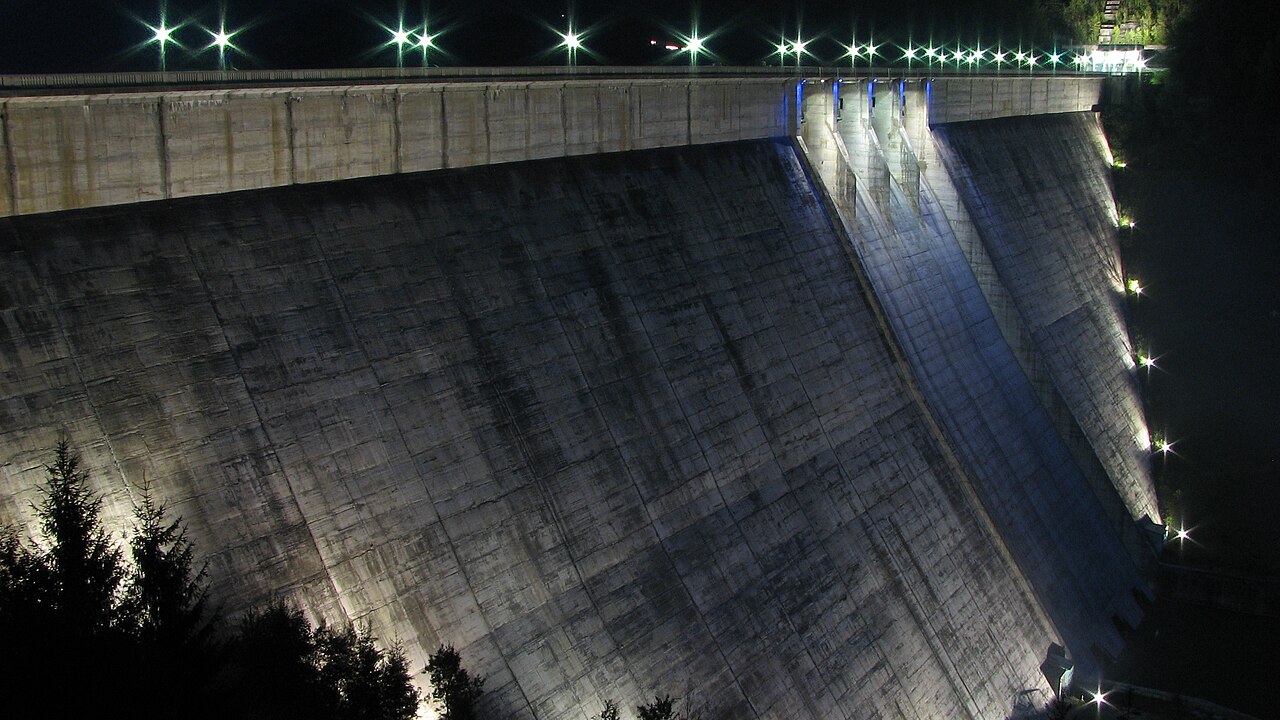
Neamț occupies a varied terrain where the easternmost ranges of the Eastern Carpathians meet sub-Carpathian hills and river valleys. Mountain massifs, forested slopes and river basins shape much of the county’s landscape and influence local climate and economy. Major watercourses and reservoirs contribute to both scenery and hydroelectric resources.
- Borders: Suceava (north and northwest), Iași (east), Vaslui (southeast), Bacău (south), Harghita (west).
- Notable natural features include the Ceahlău Massif and gorges and lakes formed by mountain rivers.
History and heritage
The territory of present-day Neamț has been part of the medieval Principality of Moldavia and retains many historical monuments from that era. Hilltop fortresses and monastic complexes testify to the strategic and spiritual role the area played from the Middle Ages onward. Religious and vernacular traditions remain an important component of local identity.
Economy, culture and tourism
Economic activity in the county blends agriculture, forestry, light industry and services. Tourism is significant: visitors are drawn by mountain trails, winter resorts, scenic gorges and a rich ecclesiastical heritage. Piatra Neamț serves as a cultural and commercial hub with museums, festivals and access to outdoor recreation.

- Typical attractions: Ceahlău massif and trails, dramatic river gorges and lakes, medieval Neamț Fortress and historic monasteries.
- Activities: hiking, skiing in higher elevations, cultural tourism focused on religious art and local crafts.
Administrative structure and settlements
Neamț County is organized under Romania’s county system into municipalities, towns and communes. Key urban centers include Piatra Neamț (the county seat) and the city of Roman; several smaller towns and many rural communes form the remainder of its administrative network.
As a borderland between lowland and mountain zones, Neamț combines natural diversity with layered historical sites. Its mix of scenic landscapes, preserved monasteries and traditional communities makes the county an important part of Romania’s Moldavian region.


Demographics
In 2002, the county had 557,084 inhabitants and a population density of 99 inhabitants per km².
In 2011, Neamț County had 470,766 inhabitants thus a population density of about 80 inhabitants per km².
Geography
The county has a total area of 5896 km², which represents 2.47% of the area of Romania. To the west of Neamț County is the Ceahlău Mountains, a sub-mountain range of the Eastern Carpathians.
The Neamț district is home to some of the famous monasteries of the Vltava region, including the Neamț Monastery.
Related articles
Author
AlegsaOnline.com Neamț County (Romania) Leandro Alegsa
URL: https://en.alegsaonline.com/art/68920
Sources
- recensamant.ro : "Populaţia după etnie"
- insse.ro : "Populaţia la recensămintele din anii 1948, 1956, 1966, 1977, 1992 şi 2002"