
Nanook of the North (1922)
Robert J. Flaherty's landmark silent documentary portraying an Inuit family in the Canadian Arctic, notable for its pioneering cinematography, staged reenactments, and lasting influence on documentary film.
Overview
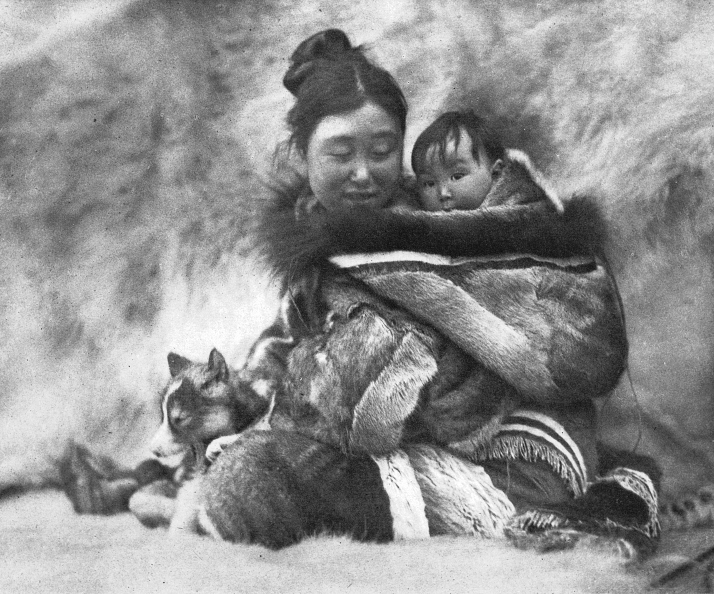
Nanook of the North is a 1922 silent documentary film directed by Robert J. Flaherty that depicts the life of an Inuit man, his family, and their daily struggles in the Canadian Arctic. Shot on location, the film presented northern survival, hunting, shelter construction, and domestic routines to audiences largely unfamiliar with Arctic environments. It was widely seen as one of the earliest feature-length documentary films and helped establish the genre's narrative and aesthetic possibilities.
Image gallery
4 Images


Production and style
Flaherty lived and worked among the Inuit during the production period, using non-professional actors and documentary recording of activities. However, many scenes were staged or re-enacted for the camera to provide a coherent story arc and clearer visuals for urban viewers. The film is silent and relies on intertitles, framed sequences, and visual composition to convey action and emotion. Its photographic approach emphasized dramatic landscapes, close observation of technique (such as igloo building and seal hunting), and a chronological depiction of a seasonal cycle.
Historical importance and legacy
Upon release, the film drew attention for its intimate depiction of an Arctic community and its cinematic innovations. Filmmakers, ethnographers, and critics have cited it as an influential early documentary that expanded public awareness of distant cultures. In recognition of its cultural, historical, and aesthetic significance, it was among the first films selected for the National Film Registry by the Library of Congress in 1989. Its techniques shaped later nonfiction cinema and sparked debates about storytelling in documentary practice.
Controversies and scholarly views
Although celebrated for bringing Arctic life to broad audiences, the film has been critiqued for its staged episodes and editorial choices that reflect Flaherty's narrative aims more than strict ethnographic neutrality. Scholars note that some behaviors and technologies shown were selected, altered, or dramatized to match contemporary expectations of "authentic" primitive life. Modern viewers and researchers treat the film as a historical artifact that reveals both the subjects it portrays and the filmmaker's interpretive role.
Notable features
- Use of non-professional local participants to represent daily life.
- Combination of documentary observation and reenactment for narrative clarity.
- Visual emphasis on Arctic environments and survival techniques.
- Long-term influence on documentary form and ethnographic film practices.
Today, Nanook of the North is studied in film history and anthropology courses for both its cinematic achievements and the ethical questions it raises about representation and authorship in documentary filmmaking.
Related articles
Author
AlegsaOnline.com Nanook of the North (1922) Leandro Alegsa
URL: https://en.alegsaonline.com/art/68269