
Muzaffargarh District, Punjab, Pakistan
Administrative district in southwestern Punjab, Pakistan, known for its location between the Indus and Chenab rivers, agricultural economy, Saraiki culture, and vulnerability to seasonal flooding.
Overview
Muzaffargarh District is an administrative district in the southwestern part of the Punjab province of Pakistan. Its administrative centre is the city of Muzaffargarh, which gives the district its name. The district occupies a broad tract of the Indus plain and serves as an agricultural and transport hub within southern Punjab.
Image gallery
4 Images


Geography and climate
The district lies on the flat floodplain between two major rivers, the Indus and the Chenab, and is characterized by fertile alluvial soils. Summers are typically very hot and dry while winters are mild. Irrigation networks of canals and tube wells support crop cultivation, but the same river systems that nourish the land also bring seasonal flood risk during heavy monsoon periods.
Economy and land use
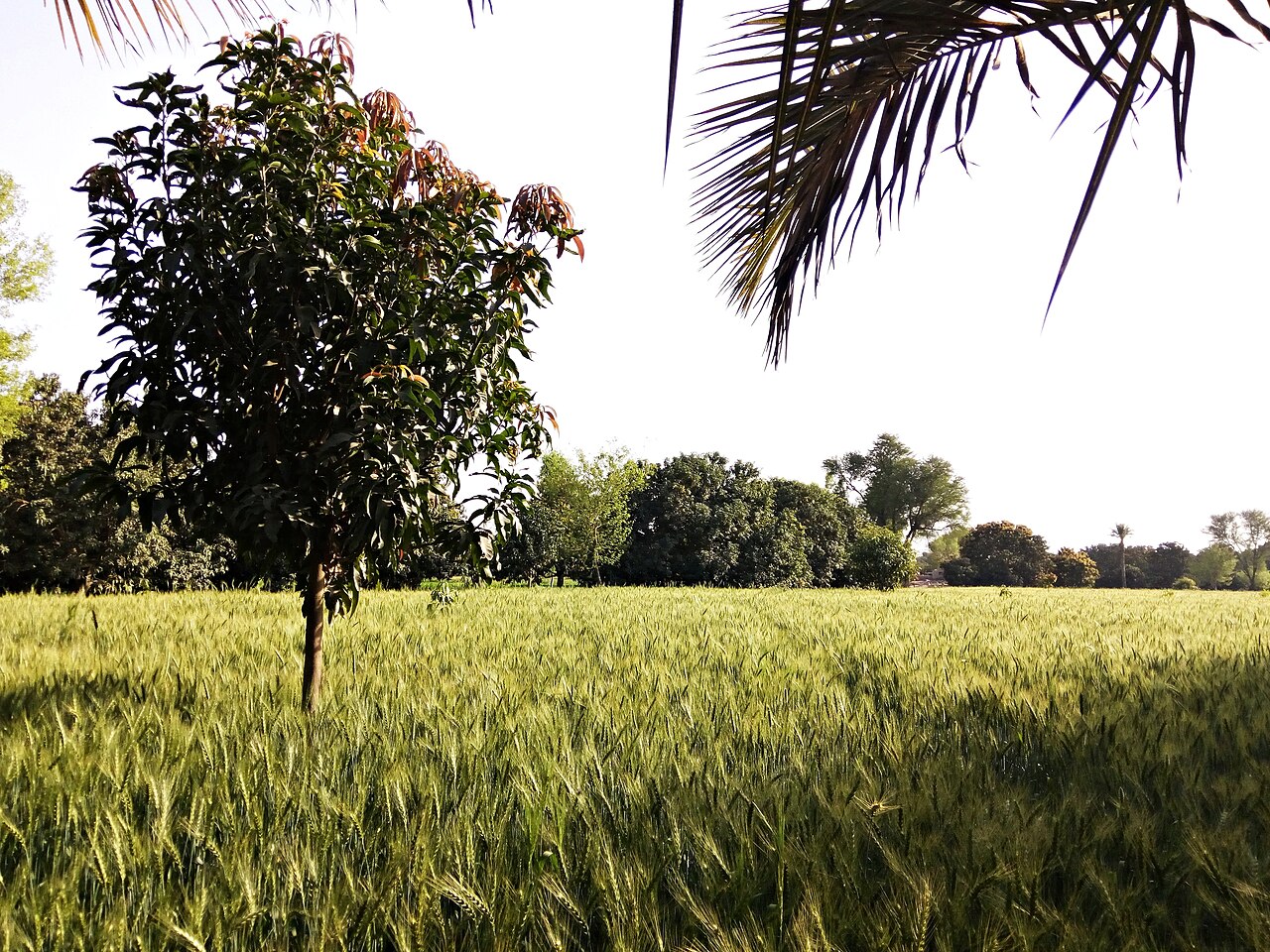
Agriculture is the backbone of the local economy. Major crops include wheat, cotton, sugarcane, rice and a variety of fruits, with orchards and vegetable farming in irrigated areas. The district also hosts industrial and energy facilities near urban centres, and local markets link farmers to regional trade routes.
Society, language and administration
The population is predominantly Saraiki-speaking, with Punjabi and Urdu also commonly used. Administratively the district is divided into several subdistricts and towns centered on Muzaffargarh city and other municipalities. Public services and local government focus on irrigation management, rural development and disaster response.
History and notable features
The area has a long agricultural history as part of the Indus plain and has been shaped by successive regional states and colonial-era administrative reforms. In recent decades attention has focused on flood mitigation, improving irrigation, and expanding electricity and road connections to support economic growth.
Challenges and significance
- Flood risk: Seasonal inundation affects crops and settlements.
- Water management: Maintaining canals and groundwater for irrigation is critical.
- Economic role: The district contributes substantially to Punjab’s agricultural output and regional food supply.
Related articles
Author
AlegsaOnline.com Muzaffargarh District, Punjab, Pakistan Leandro Alegsa
URL: https://en.alegsaonline.com/art/67862