
Murrieta, California
Murrieta is a rapidly grown suburban city in southwestern Riverside County, California, known for residential communities, parks, and proximity to Temecula Valley and the Inland Empire.
Overview
Murrieta is a city in southwestern Riverside County, in the southern part of the U.S. state of California. Historically an agricultural and ranching area, Murrieta became a largely residential and suburban community during the late 20th century. According to the 2010 census, 103,466 people lived in Murrieta, reflecting decades of steady population growth.
Image gallery
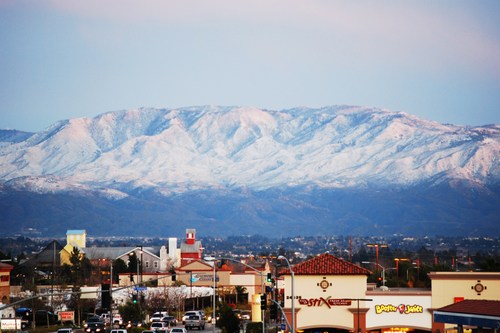
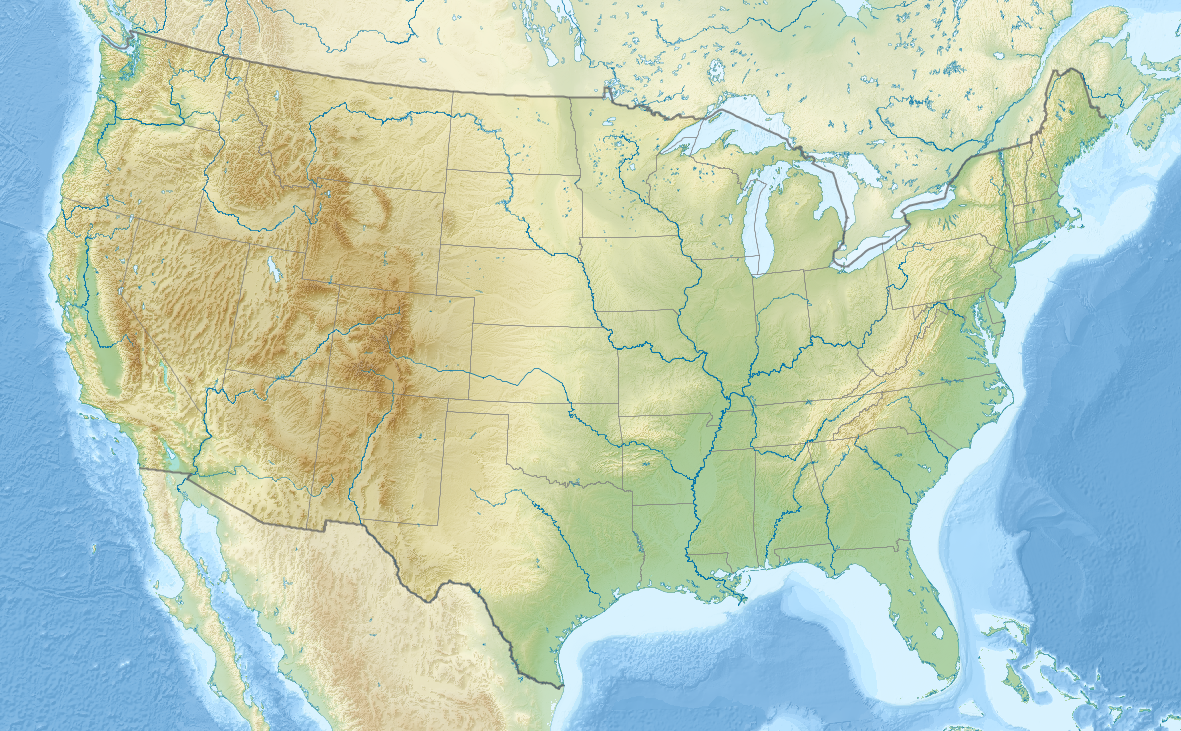
10 Images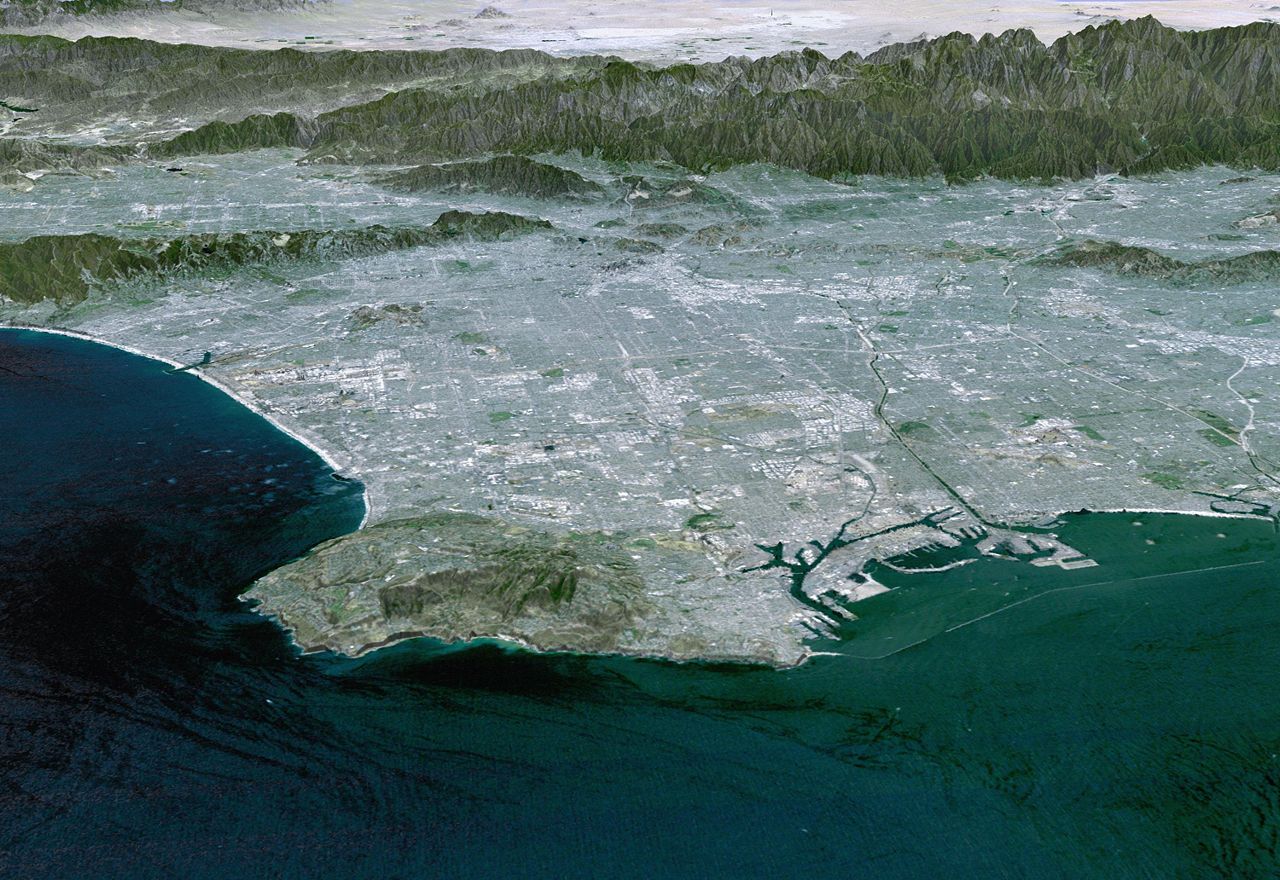



Geography and climate
Murrieta lies within the Inland Empire region and occupies part of the Murrieta Valley. The setting combines low rolling hills and developed neighborhoods. The climate is Mediterranean: warm, dry summers and mild, wetter winters. Open spaces and regional reserves around the city provide habitat for native plants and wildlife.
History and development
The area was settled and used for ranching and farming before suburban development accelerated after the mid-20th century. Named for the Murrieta family, early ranchers and landowners, the community retained agricultural roots even as residential subdivisions, schools and commercial centers expanded. The city incorporated to provide municipal services as growth increased.
Economy, community and amenities
Murrieta functions largely as a residential and commuter city, with local employment in retail, healthcare, education and service industries. Neighborhoods include a mix of single-family homes and planned communities, and the city maintains parks, trails and recreational programs. Nearby attractions include Old Town districts, local wineries in the Temecula Valley region, and natural areas such as the Santa Rosa plateau and regional preserves.
Transportation and notable facts
- Major highways provide links to other Inland Empire communities and to San Diego and Los Angeles counties.
- The city is part of a rapidly changing suburban corridor, notable for its population growth since the late 20th century.
- Murrieta emphasizes parks and open-space planning alongside residential development.
As a contemporary suburban city in Southern California, Murrieta balances community services, outdoor amenities and proximity to regional economic centers while preserving elements of its agricultural past.
Related articles
Author
AlegsaOnline.com Murrieta, California Leandro Alegsa
URL: https://en.alegsaonline.com/art/67673