
Mullingar, County Westmeath
Mullingar is the county town of County Westmeath in Ireland, a market and administrative centre near lakes and canals, known for historic houses, transport links and local cultural life.
Overview
Mullingar (Irish: An Muileann gCearr) is the principal town and county town of County Westmeath in the Irish midlands. Historically a market and administrative centre, it lies inland amid lakes and low drumlin country and serves as a regional hub for commerce, public services and transport. As of 2011 the town recorded a population of 20,103.
Image gallery
10 Images





Geography and features
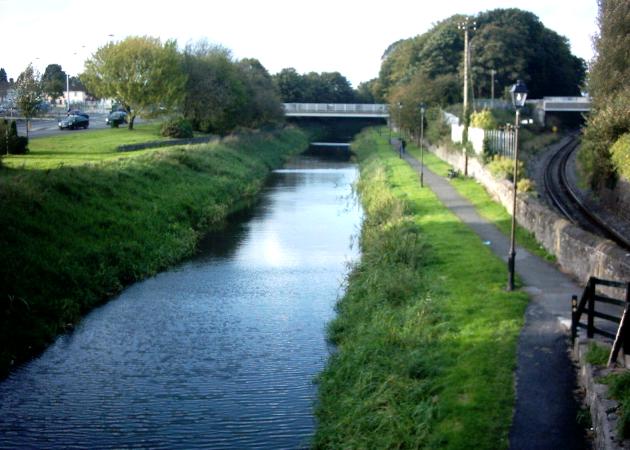
Mullingar sits close to several freshwater lakes, most notably Lough Ennell and Lough Owel, which influence local recreation and landscape. The Royal Canal and a network of country roads and rail links connect the town to Dublin to the east and to towns in the west and north. The surrounding countryside is a mix of agricultural land, small woodlands and man-made estates.
History and development
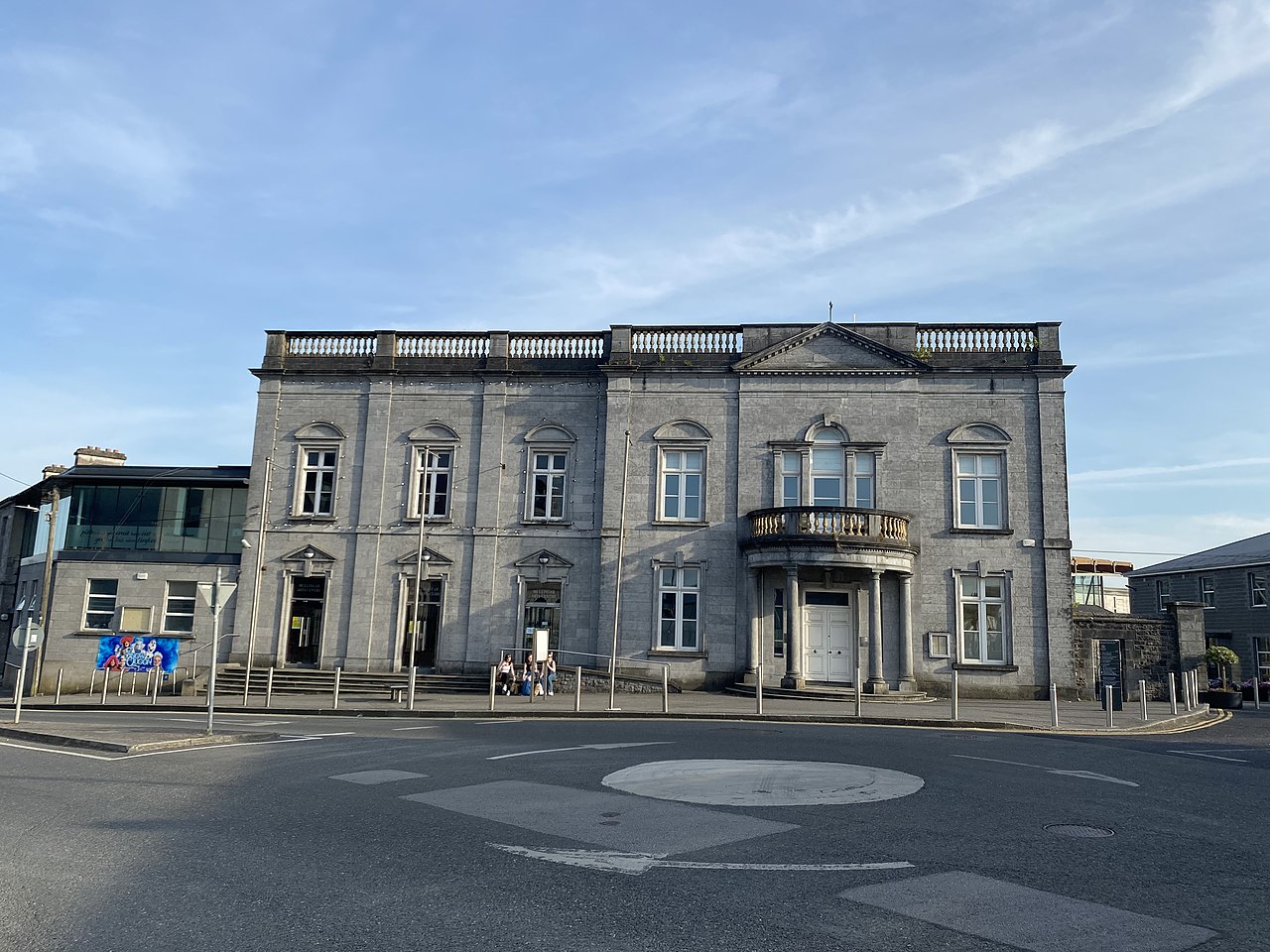
The town developed around mills and local markets serving the rural hinterland, a pattern reflected in its Irish name. Over centuries Mullingar expanded from a market settlement into the administrative centre for the county, with civic buildings, churches and commercial streets added in the 18th and 19th centuries. Twentieth-century transport improvements and public services further shaped its growth.
Economy and transport
Mullingar’s economy combines retail, light industry, public administration and tourism services. It has a railway station providing regular services toward the capital and to destinations further west, and road links that carry regional and commuter traffic. Local farms and food producers remain important to the wider economy.
Culture, attractions and amenities
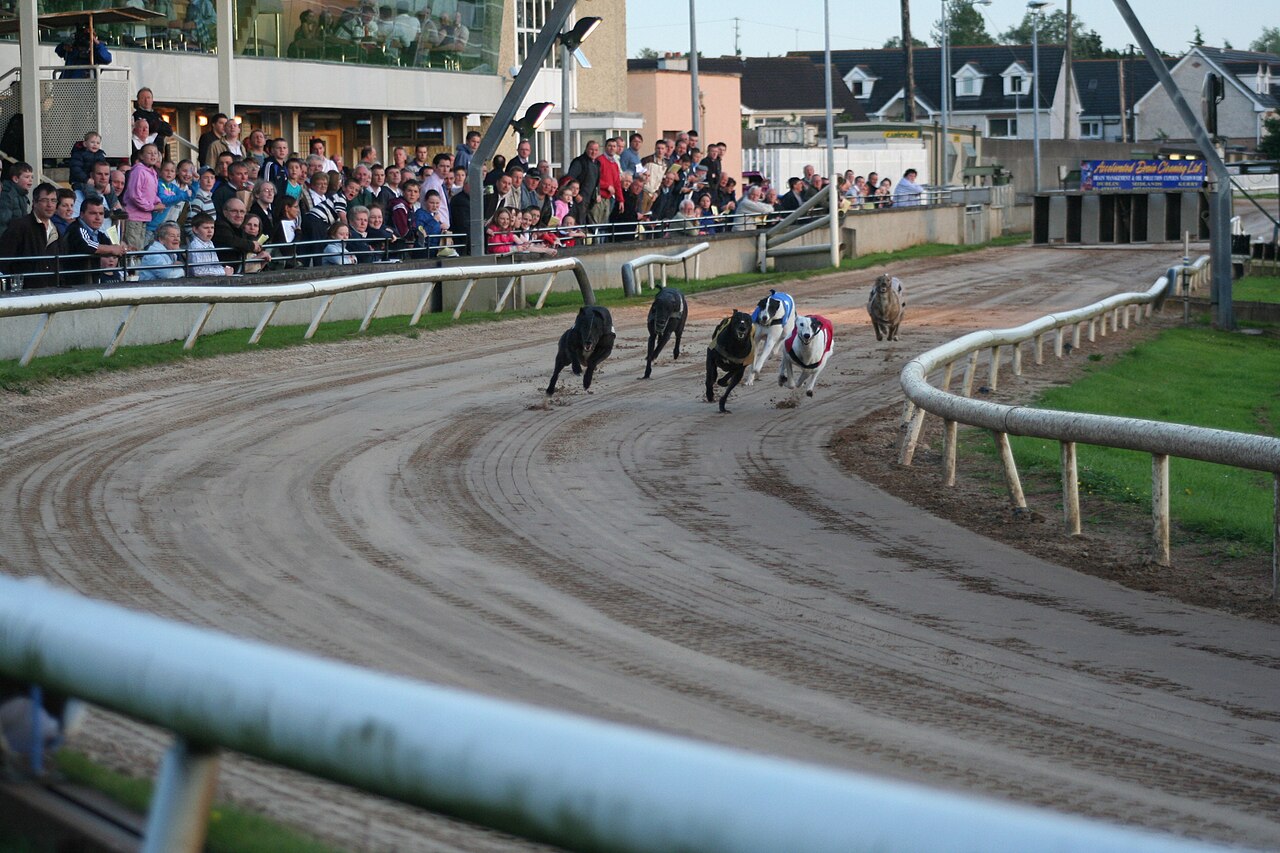
The town is a centre for cultural activity in central Westmeath, with community arts, music and sporting clubs. Nearby country houses and gardens, such as Belvedere House and other estate grounds, attract visitors. Parks, lakeshore walks and angling opportunities are popular with residents and day-trippers alike.
Notable facts and distinctions
- Mullingar functions as the administrative centre of County Westmeath and hosts several county services.
- Its location by lakes and along the Royal Canal makes it a local focus for outdoor recreation.
- Historic market-town origins remain visible in the layout of streets and market areas, while modern amenities support a commuter and regional population.
For further local information and services, official and community resources provide current details on transport, events and visitor attractions.
Related articles
Author
AlegsaOnline.com Mullingar, County Westmeath Leandro Alegsa
URL: https://en.alegsaonline.com/art/67440