
Moquegua: city and regional capital in southern Peru
Moquegua is a Peruvian city and capital of the Moquegua Region. Located in a fertile river valley, it blends colonial architecture, pre‑Columbian archaeology, viticulture, mining and regional cultural traditions.

Overview
Moquegua is a city in southern Peru that serves as the administrative centre of the Moquegua Region. It occupies a fertile valley carved by an intermittent river and acts as a local hub for government, commerce and services for surrounding agricultural and mining districts. The city is known for its tidy colonial layout, regional museums and the use of irrigated land to support vineyards and orchards.
Image gallery
8 Images




Geography and climate
Set between coastal desert and higher Andean terrain, Moquegua benefits from seasonal irrigation that transforms an otherwise arid landscape into productive farmland. The climate is typically dry and mild, with warmer conditions in the valley floor and cooler temperatures at higher elevations nearby. Proximity to the Pacific influences local weather patterns and trade links.
History and archaeology
The area around Moquegua has a long human history, with evidence of pre‑Columbian settlement and later integration into regional cultural networks. Visitors may find archaeological sites and ruins in the surrounding highlands that reflect Wari and other pre‑Inca occupations, as well as colonial‑era architecture dating from Spanish settlement and urban development.
Economy, culture and attractions
Moquegua's economy combines agriculture, notably viticulture and fruit cultivation, with services and mining activity in the region. Local cultural life features religious festivals, traditional cuisine and museums displaying regional art and artifacts. Typical points of interest include:
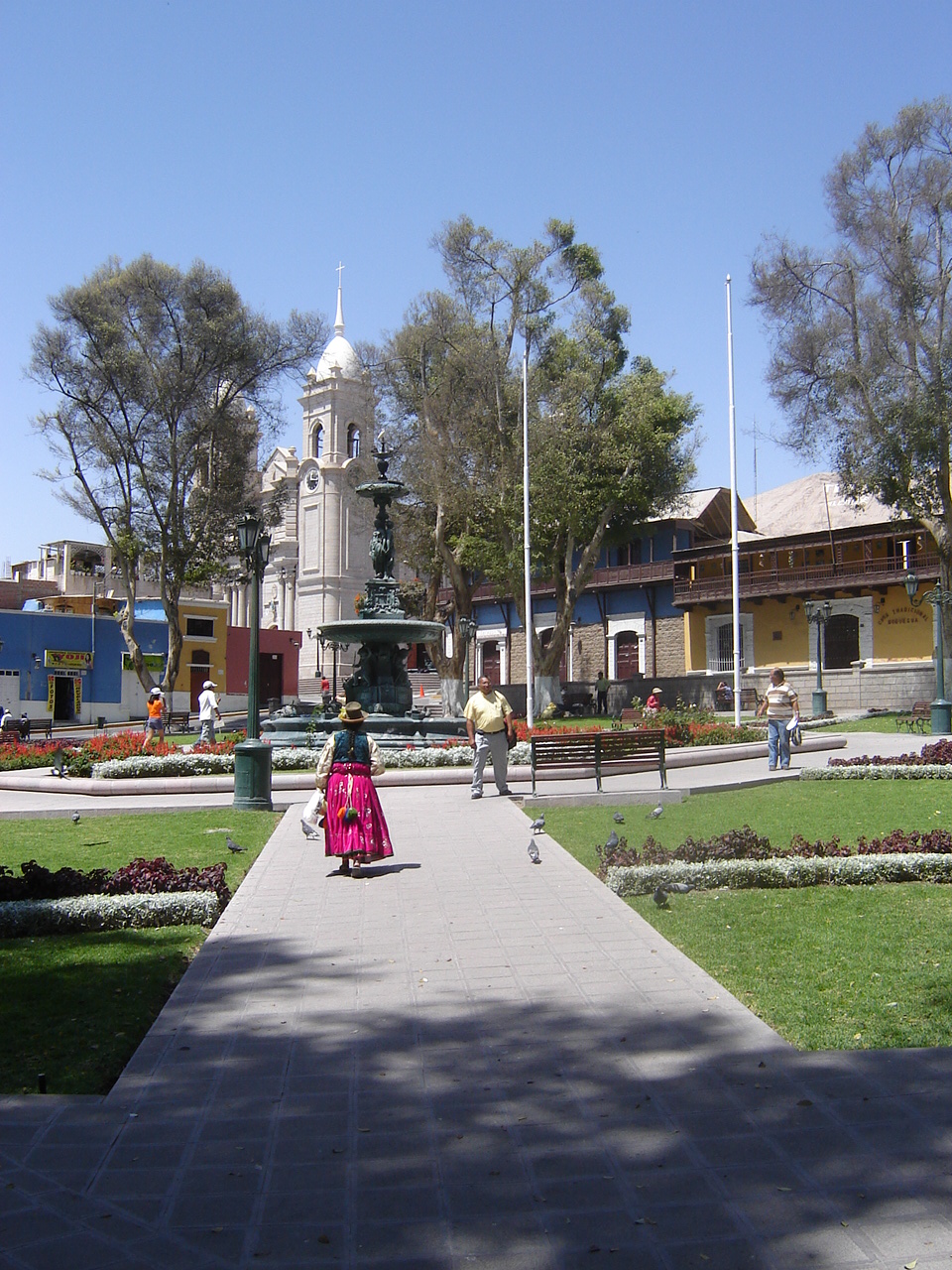
- Historic plazas and a cathedral with colonial-era features.
- Regional museums displaying pre‑Columbian and colonial collections.
- Nearby archaeological sites and scenic valley landscapes.
- Vineyards and small producers of wines and spirits.

While Moquegua is less visited than Peru's major tourist cities, it offers a quieter perspective on southern coastal highland life and serves as a gateway to archaeological and natural sites in the region. Its combination of agricultural terraces, colonial heritage and links to mining make it important for understanding Peru's regional diversity.
Related articles
Author
AlegsaOnline.com Moquegua: city and regional capital in southern Peru Leandro Alegsa
URL: https://en.alegsaonline.com/art/66589