
Monterrey: overview, history, economy and notable landmarks
Monterrey is the capital of Nuevo León in northern Mexico. A major industrial and cultural center of about 2,056,538 people, it is known for its mountains, universities, business districts and parks.
Overview
Monterrey is a major city in northern Mexico and the capital of the state of Nuevo León. With a metropolitan population of roughly 2,056,538 people, it ranks among Mexico's largest urban areas and is commonly cited as the third-largest city in the country. Monterrey functions as a regional hub for commerce, education and culture, linking the industrial interior of Mexico with national and international markets.
Image gallery
10 Images




Geography and climate
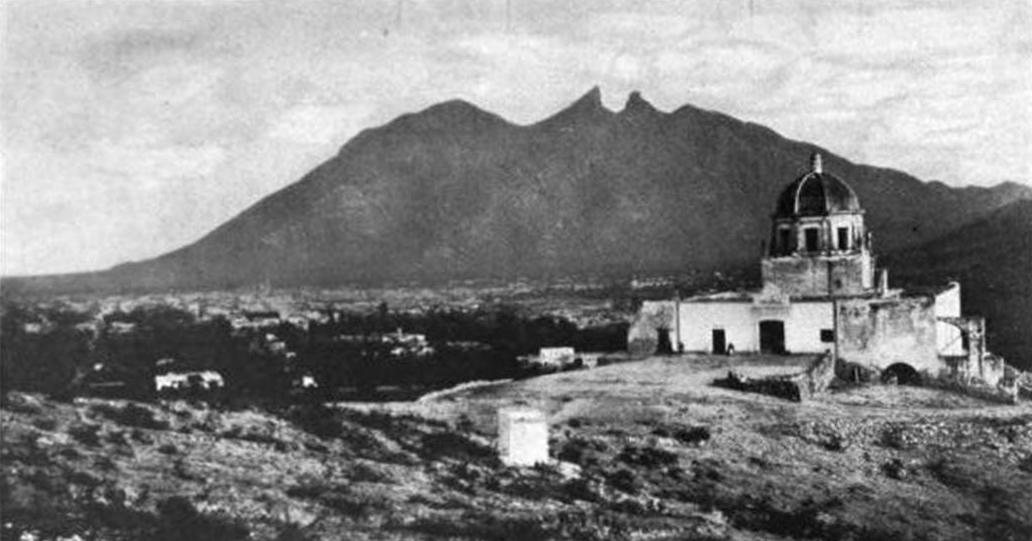
The city sits in a series of valleys bordered by the Sierra Madre Oriental mountain range. Rugged peaks, most famously the distinctive silhouette of Cerro de la Silla, frame the urban area and influence local weather. Monterrey experiences a warm, semi-arid climate with hot summers and mild winters; local temperatures and precipitation vary with elevation and proximity to the surrounding mountains.
History and urban development
The settlement that became modern Monterrey grew from colonial-era foundations into an important 19th- and 20th-century industrial center. Its growth accelerated with the expansion of railways, manufacturing and mining in northern Mexico. Over decades the city diversified from heavy industry into services, finance and education, while expanding its cultural and civic infrastructure.
Economy, education and culture
Monterrey is a national leader in manufacturing, logistics and business services. The metropolitan area hosts regional headquarters, large factories and industrial parks, as well as prominent universities and research institutions such as the Tecnológico de Monterrey. The cultural life includes museums, theaters, a lively culinary scene and annual festivals that draw visitors from across Mexico.
Landmarks and transport
- Macroplaza and downtown civic spaces.
- Fundidora Park, a transformed industrial site offering museums and public events.
- Paseo Santa Lucía, an urban waterway and promenade.
- Historical Barrio Antiguo with preserved architecture and nightlife.
- The surrounding peaks and trails, including routes up Cerro de la Silla.
Transport connections include a busy international airport, highways linking the U.S. border and central Mexico, and regional rail and bus networks that support commerce and tourism.
Notable facts and distinctions
Monterrey is often noted for its entrepreneurial culture, strong industrial base, and high concentration of private-sector universities and research centers. It also supports passionate sports followings and local traditions that reflect the city's blend of industrial heritage and contemporary urban life.
Related articles
Author
AlegsaOnline.com Monterrey: overview, history, economy and notable landmarks Leandro Alegsa
URL: https://en.alegsaonline.com/art/66322