
Monte Cimone
Monte Cimone is the highest peak of the northern Apennines in Italy, noted for its elevation, ski resort, ecological zones, and telecommunications installations, located in Emilia‑Romagna.
Overview
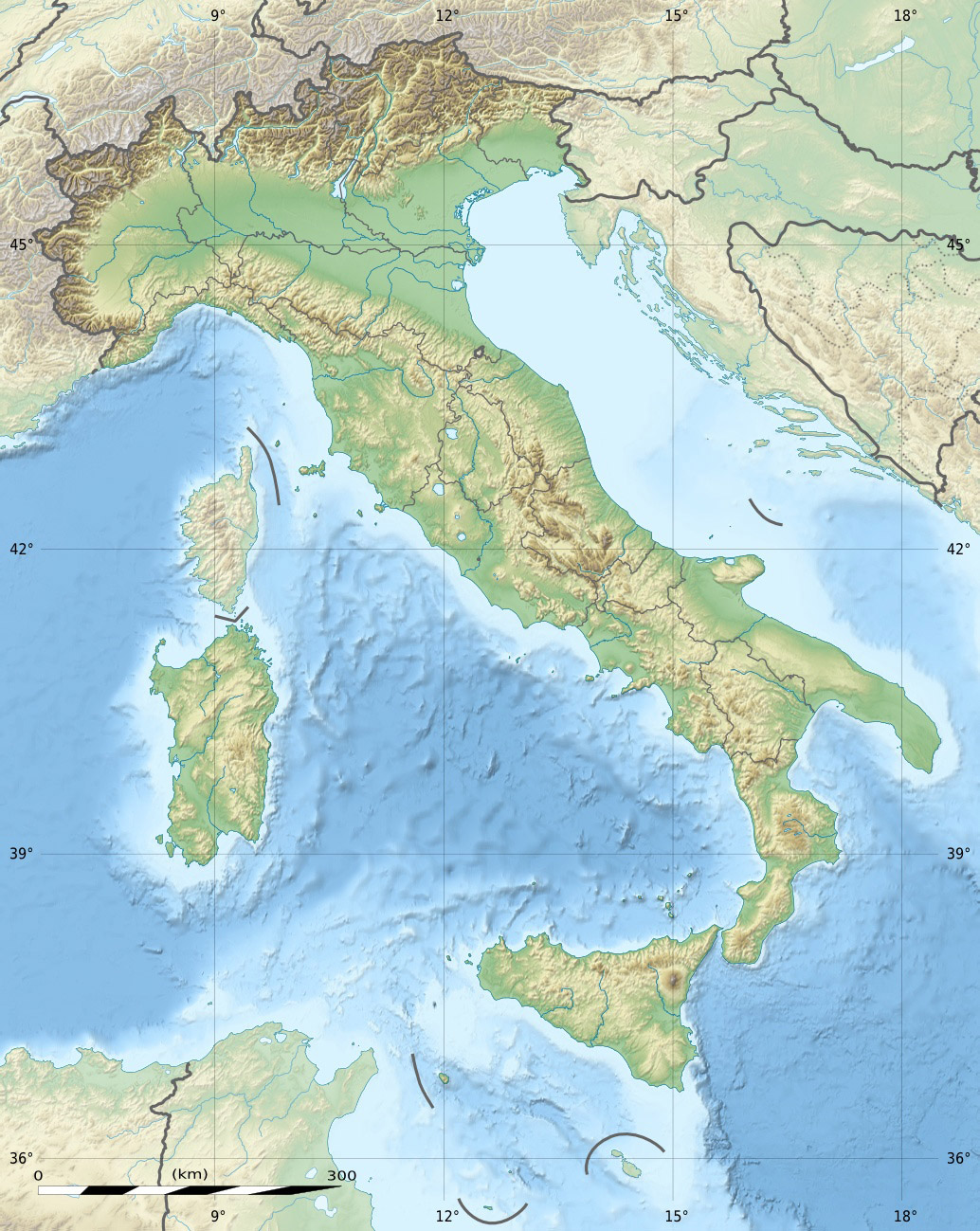
Monte Cimone rises to 2,165 metres and is the tallest summit of the northern Apennine chain in Italy. It stands in the Emilia‑Romagna region and is a prominent landmark visible from surrounding plains. The mountain forms a natural divide and provides panoramic views that attract visitors year‑round.
Image gallery
6 Images


Geography and geology
Monte Cimone is part of the complex fold-and-thrust belt of the Apennines. Its slopes descend into mixed woodland and alpine meadows, with ridgelines that channel local weather. The mountain's shape and elevation influence precipitation patterns and seasonal snow cover.
Climate and ecology
The summit experiences an alpine climate with cold winters and cool summers. Vegetation zones change with altitude: deciduous forests on lower slopes give way to conifers and subalpine grasses nearer the top. These habitats support a variety of birds, mammals and plant species adapted to mountain conditions.
Human use and recreation
Monte Cimone is an established destination for outdoor recreation. Key activities include:
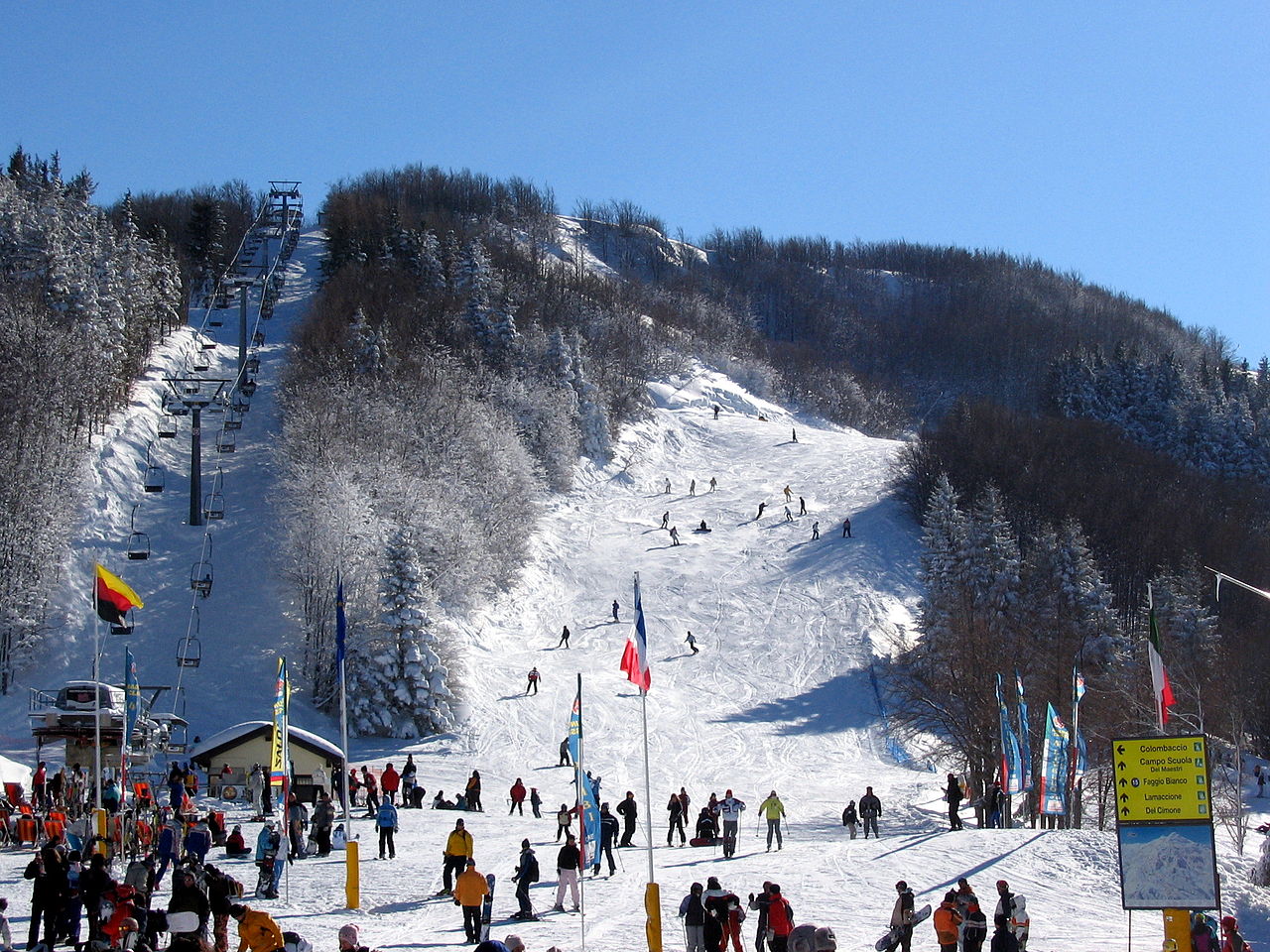
- Winter sports: a developed ski area with lifts and marked pistes suitable for skiers and snowboarders.
- Summer recreation: hiking, mountain biking and nature observation on maintained trails.
- Scientific and technical uses: weather monitoring and telecommunications installations occupy the summit area.
History and cultural significance
The mountain has long been part of local identity and seasonal economies, providing pastures, timber and now tourism revenue. Its prominence has made it a point of reference in regional navigation and a subject in local traditions and guidebooks.
Access and notable facts
Access is possible from several towns in Emilia‑Romagna by road and trail, with facilities for visitors near lower elevations. As the highest peak of the northern Apennines, Monte Cimone serves both practical roles—such as communications—and recreational ones, combining natural interest with developed amenities for visitors.
For maps, visitor information and logistical details, follow local regional resources or official tourism guides.
Related articles
Author
AlegsaOnline.com Monte Cimone Leandro Alegsa
URL: https://en.alegsaonline.com/art/66287
Sources
- peakbagger.com : "Monte Cimone, Italy"
- isac.cnr.it : Monte Cimone
- summitpost.org : "Monte Cimone: Overview"