
Monroe, Louisiana
Monroe is a regional city in northeastern Louisiana on the Ouachita River. It is the parish seat of Ouachita Parish and had 48,815 residents at the 2010 census. The city anchors education, health care, and commerce.
Overview
Monroe is a city in northeastern Louisiana located on the Ouachita River. It serves as the parish seat of Ouachita Parish and is one of the larger cities in the state. As recorded in the 2010 U.S. census, the population was 48,815. The city forms part of a regional urban area that includes nearby West Monroe, and it functions as a center for government, education, health care and retail services.
Image gallery
10 Images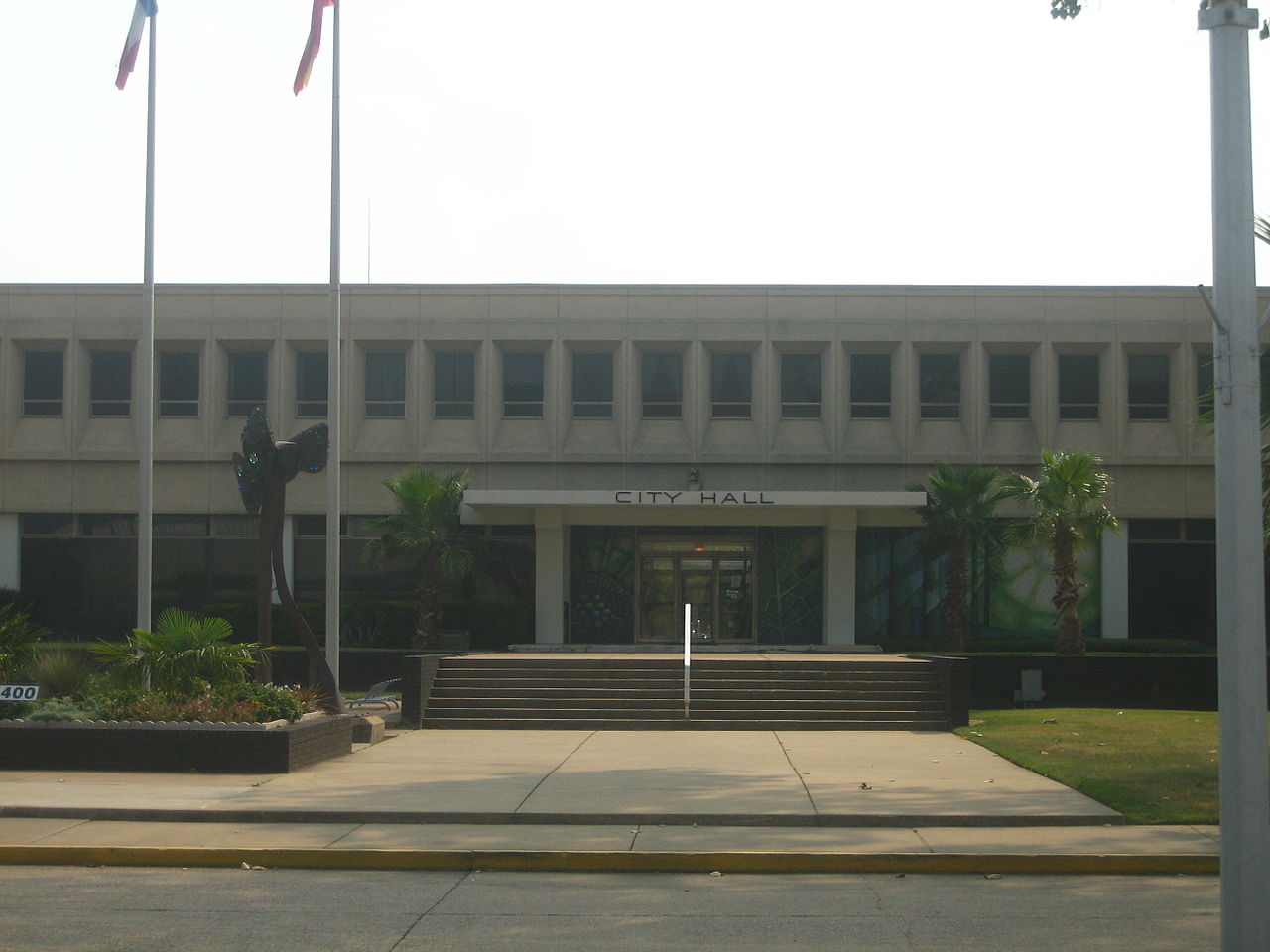


History
Monroe developed in the 19th century as a river port and later expanded with rail connections that supported agriculture, timber and manufacturing. Named for President James Monroe, the city’s growth followed patterns common in the Lower Mississippi Valley, with trade, transport and regional service industries shaping its economy and built environment.
Geography and environment
Located on the Ouachita River, Monroe sits in a predominantly flat, riverine landscape with nearby wetlands and forested areas. Local parks, wildlife areas and riverfront green spaces provide outdoor recreation, birdwatching and habitat preservation opportunities for residents and visitors.
Economy and institutions
The economy includes education, health care, manufacturing, energy and agricultural support services. The University of Louisiana at Monroe (ULM) is a major local institution contributing to research, workforce development and cultural life. Several hospitals and medical centers serve a multi-parish region, and retail and light industry provide additional employment.
Culture, attractions and civic life
Monroe offers museums, historic sites, performing arts venues and annual festivals that reflect the culture of the Delta and northeastern Louisiana. Civic centers and event venues host concerts, exhibitions and community programs. Visitors can consult a local city profile for current attractions and schedules.
Transportation and regional role
The city is connected by state and federal highways and an airport that link Monroe with statewide and regional markets. Bridges across the Ouachita River connect neighborhoods and support a shared economy with West Monroe. For official information on services and regional planning see state resources: state resources.
- Major higher education: University of Louisiana at Monroe (ULM)
- Riverfront parks and nearby natural areas
- Regional medical and cultural centers
Related articles
Author
AlegsaOnline.com Monroe, Louisiana Leandro Alegsa
URL: https://en.alegsaonline.com/art/66154
Sources
- www2.census.gov : "2016 U.S. Gazetteer Files"
- citypopulation.de : "Louisiana (USA): State, Major Cities & Places"
- censusviewer.com : "Monroe, La Population"