
Mnemonic (memory aid)
A mnemonic is a learning device—word, phrase, image, or pattern—that helps encode and retrieve information more easily from memory.
Overview
A mnemonic is any technique or device that improves a person's ability to remember information. Mnemonics convert information into a form that the brain can retain more easily by creating structure, vivid imagery, or verbal hooks. They are widely used in education, professional practice, and everyday life to speed learning and reduce forgetfulness.
Image gallery
2 Images
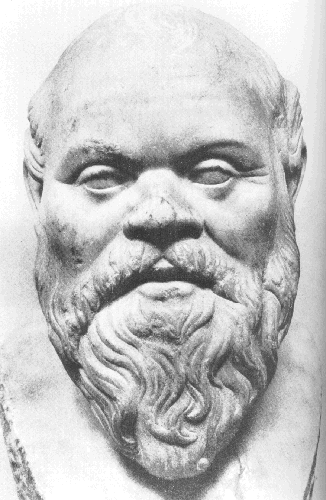
Common types and techniques
- Acronyms — words formed from initial letters (for example, ROY G. BIV for the colors of the visible spectrum).
- Acrostics and phrases — memorable sentences whose initial letters cue a list (for example, Every Good Boy Does Fine to remember treble clef lines E–G–B–D–F).
- Rhymes and songs — meter and melody make sequences easier to recall (nursery rhymes are classic examples).
- Chunking — grouping items into larger, meaningful units (commonly used for phone numbers and dates).
- Method of loci (memory palace) — placing imagined items along a familiar route to be retrieved later by mental navigation.
- Peg systems and imagery — associating items with a fixed list of 'pegs' or concrete images to create vivid associations.
History and origins
The systematic use of mnemonic techniques dates back to classical antiquity. Early descriptions appear in accounts of the Ancient Greeks, and Roman writers described mnemonic arts as a formal skill. According to the Roman statesman Cicero, the poet Simonides is credited with developing a powerful visual method after discovering that imagining locations helped recover forgotten information. The English word "mnemonic" ultimately traces to Greek roots — mnene (memory) and mnemon (mindful) — reflecting this long tradition.
Uses and examples
Mnemonics appear in many fields: students learn formulas and lists, medical professionals memorize anatomical sequences, and pilots and emergency workers use checklists enhanced by mnemonic cues. Familiar classroom examples include Please Excuse My Dear Aunt Sally for the order of operations and month-length rhymes like "Thirty days hath September." In everyday life people use chunking for phone numbers and password hints to reduce cognitive load.
Benefits, limits, and best practices
Mnemonics help by creating strong retrieval cues and by organizing material into memorable patterns. They are especially effective when paired with rehearsal and spaced repetition. However, mnemonics do not substitute for deep understanding and can produce fragile or context-dependent memories if used alone. Best practice is to use them as aids for encoding and review, tailoring images and phrases to personal experience to increase distinctiveness.
Notable distinctions
Mnemonic techniques differ from general study skills: they focus on encoding and recall rather than comprehension. Some are verbal, others spatial or imagistic; some emphasize order, others association. Selecting the right mnemonic depends on the material and the learner's style: lists often suit acronyms, complex sequences benefit from loci, and unfamiliar terms pair well with vivid imagery.
Author
AlegsaOnline.com Mnemonic (memory aid) Leandro Alegsa
URL: https://en.alegsaonline.com/art/65643
Sources
- salisbury.edu : "FINAL REVIEW BEFORE AN EXAM"
- plato.stanford.edu : "Mental Imagery > Ancient Imagery Mnemonics (Stanford Encyclopedia of Philosophy)"
- eudesign.com : "MNEMONICS - INDEX/INTRODUCTION"