
Minnesota Territory (1849–1858)
Organized U.S. territory established in 1849 that governed lands around the upper Mississippi River; admitted to the Union in 1858 as the State of Minnesota, with western lands later reassigned.
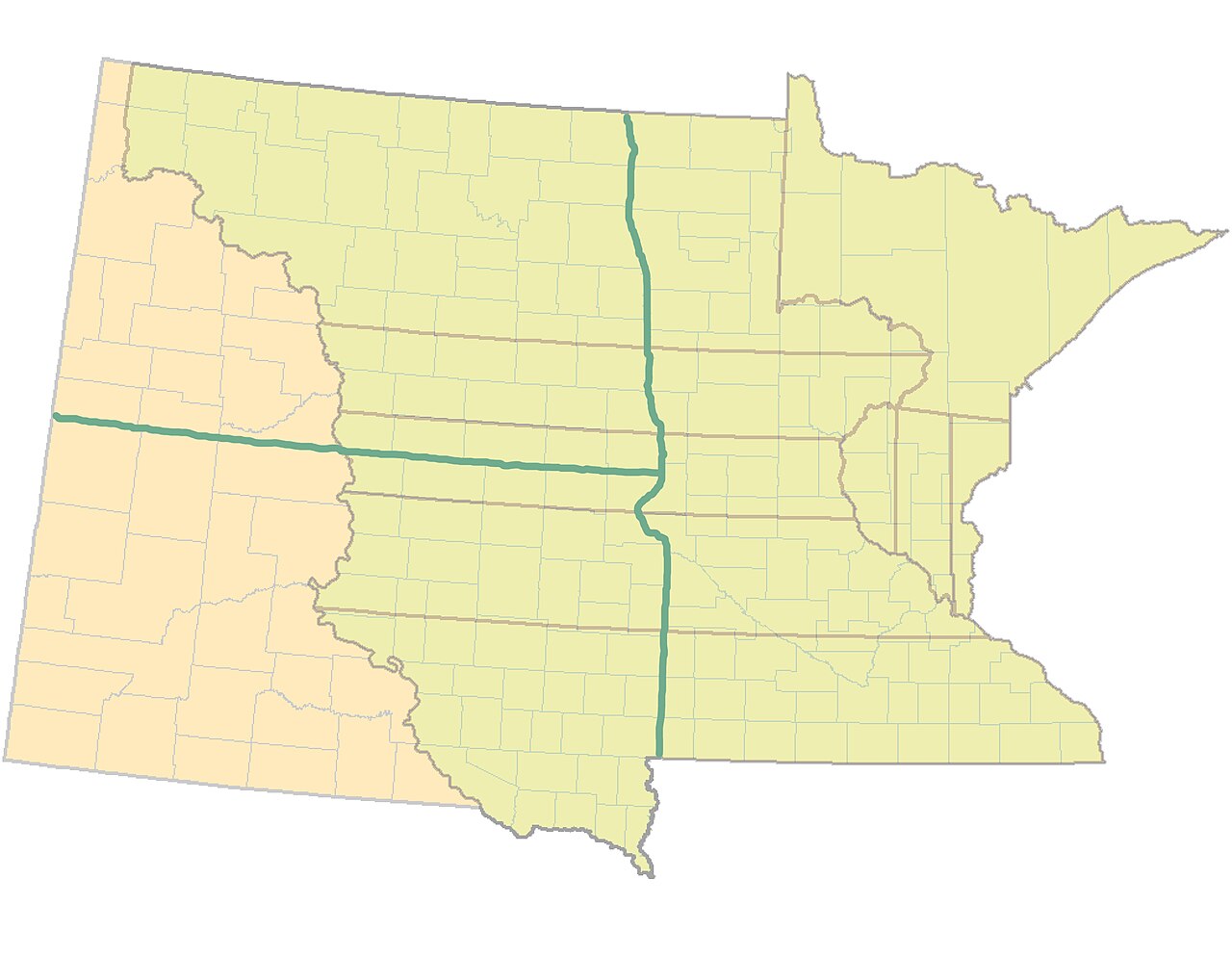
The Territory of Minnesota was an organized incorporated territory of the United States created on March 3, 1849. It provided a civilian government for a large region around the upper Mississippi River during a decade of rapid settlement, infrastructure development, and treaties with Native American nations. The territory existed until May 11, 1858, when its eastern portion was admitted to the Union as the State of Minnesota via congressional action (see the State of Minnesota).
Image gallery
6 Images




Origins and governmental organization
Minnesota Territory was established by act of Congress to bring order and civil institutions to lands left outside earlier state boundaries after Wisconsin achieved statehood. The territorial government included an appointed governor and judges, and an elected bicameral legislature. Administrators based in St. Paul and military installations such as Fort Snelling helped maintain order and support settlement during the 1850s.
Geography and administrative character
The territory encompassed the Mississippi headwaters region and much of the surrounding plains and forests. Its landscape ranged from river valleys used for transportation and trade to heavily timbered areas exploited by a growing logging industry. The territorial capital, St. Paul, emerged as a commercial and political hub on the Mississippi.
Economy, society, and relations with Native peoples
Economic activity combined fur trade and logging with an expanding pattern of farming and river commerce. Immigrants from northern Europe and the eastern United States settled in growing towns and river ports. The decade also saw negotiations and treaties between the U.S. government and Dakota and Ojibwe communities, events that reshaped land ownership and settlement patterns.
Transition to statehood and legacy
Population growth and political organization in the 1850s led residents to seek admission as a state. On May 11, 1858 the eastern portion of the territory entered the Union as the State of Minnesota. Much of the territory's remaining western lands were later incorporated into Dakota Territory and other federal jurisdictions as the United States continued westward expansion.
- Established: March 3, 1849; admitted as a state: May 11, 1858.
- Capital and major center: St. Paul; military presence at Fort Snelling supported early governance.
- Significance: a formative decade for settlement, transportation on the Mississippi, and the transition from territorial to state government.
Related articles
Author
AlegsaOnline.com Minnesota Territory (1849–1858) Leandro Alegsa
URL: https://en.alegsaonline.com/art/65270