
Monarchy of Australia: constitutional role, history and modern practice
Overview of Australia's constitutional monarchy: the sovereign's position, the Governor‑General and state governors, succession, history since federation, and contemporary constitutional issues.
Overview
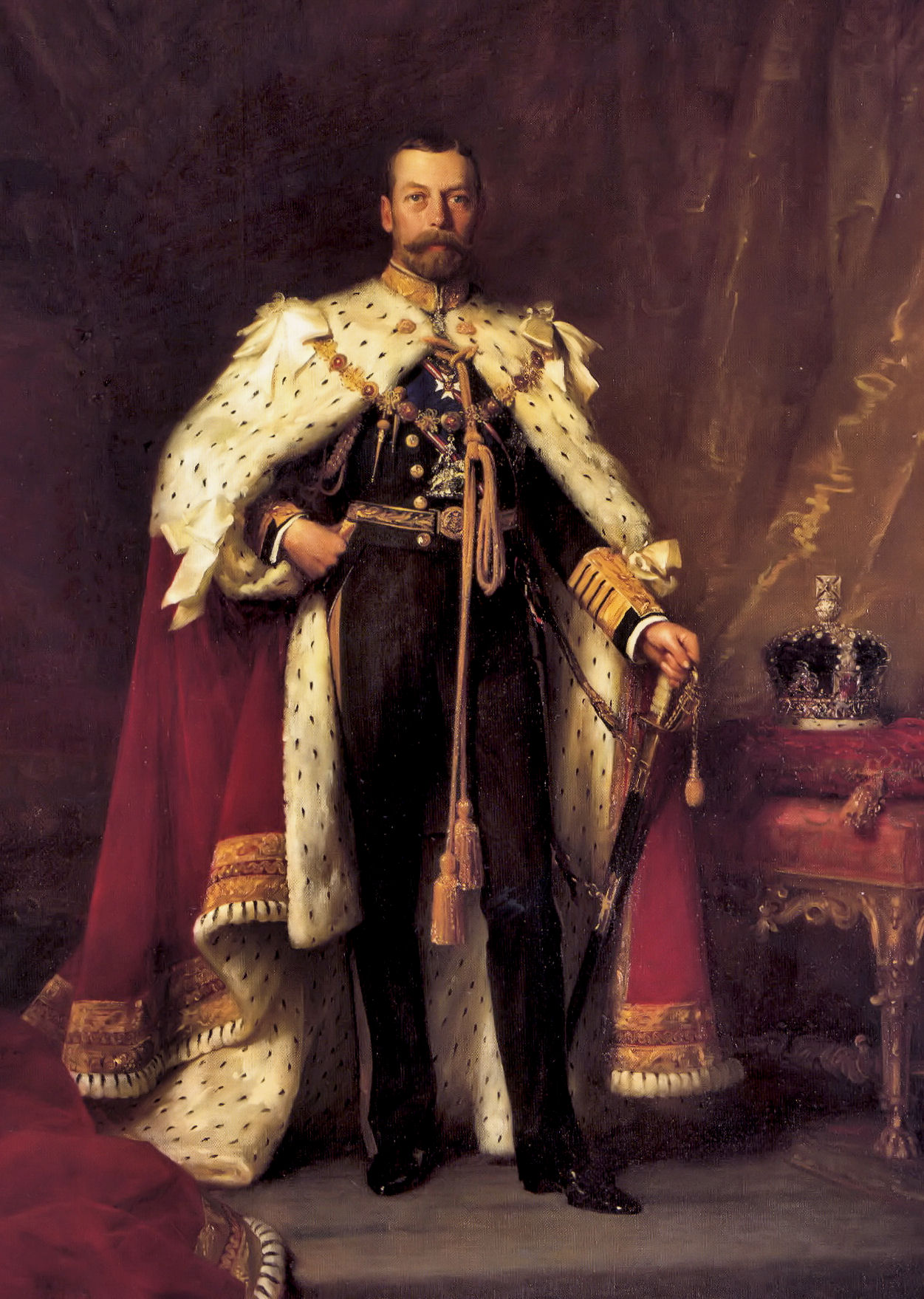
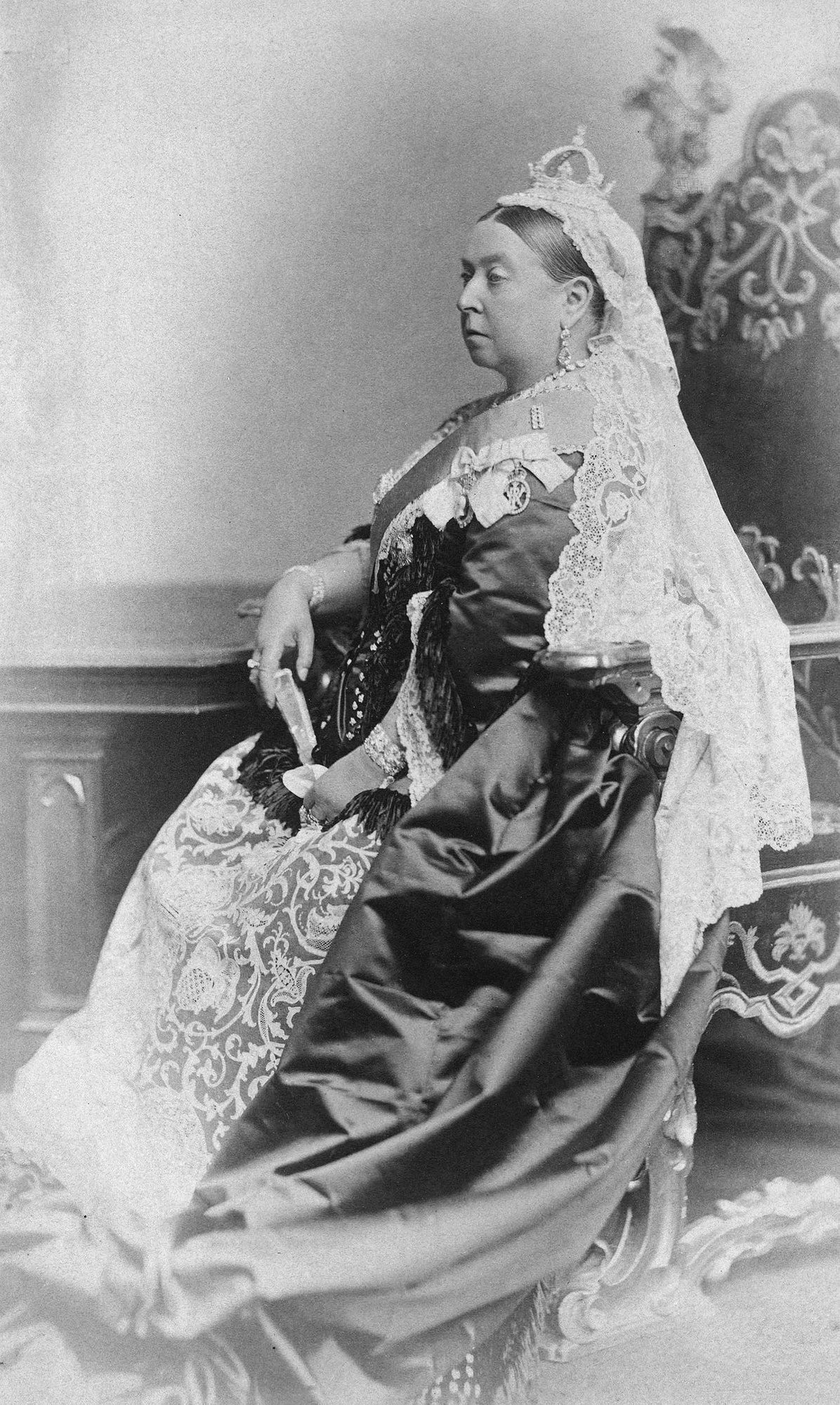
The Monarchy of Australia is a constitutional arrangement in which a hereditary sovereign serves as the country's ceremonial head of state while political power is exercised by elected institutions. The sovereign — traditionally referred to as the King or Queen — occupies a largely symbolic position under the Australian Constitution. The office of monarch is distinct from the day‑to‑day work of government, which is carried out by ministers and officials acting within parliamentary and legal constraints. For a concise definition see hereditary monarch.
Image gallery
10 Images






Constitutional role and powers
The text of the Australian Constitution vests executive authority in the sovereign, but in practice most functions are performed by the Governor‑General at the federal level and by state governors at the state level. Those representatives exercise powers on the advice of elected ministers, including opening and dissolving parliament, giving royal assent to legislation, and commissioning prime ministers. Certain reserve powers can be used in exceptional circumstances without ministerial advice; their scope and use have been shaped by convention, precedent and judicial interpretation. For more on the legal position, consult material linked at constitutional sources.
Succession, style and connection to other realms
Succession to the Australian crown follows rules of hereditary succession shared with other Commonwealth realms: when the sovereign dies or abdicates, the next eligible person becomes monarch immediately. Although the same individual serves as monarch of the United Kingdom and several other independent states, the Crown of Australia is a separate legal capacity: the sovereign acts in distinct roles depending on the realm. The modern relationship between the monarch, the royal family and Australian institutions is discussed further at related constitutional materials.
Roles of Governor‑General and state governors
The Governor‑General performs the national duties that the Constitution formally assigns to the sovereign, including exercising executive authority, appointing ministers, and providing assent to federal laws. State governors carry out comparable functions at the state level. Governors and the Governor‑General are appointed on the advice of the relevant elected government and normally act in accordance with that advice, although their reserve powers mean they may occasionally make independent decisions in crises. Guidance about viceregal roles and appointments is often found in official records and explanatory documents such as government guidance.
History and development
Since federation in 1901, Australia has retained a monarchical head of state while gradually asserting full legislative and constitutional independence from Britain. Over the twentieth century, statutes, judicial decisions and constitutional practice gave Australia autonomy in most matters of governance while preserving the Crown as a shared institution. The evolution includes the growing independence of the Governor‑General's office and the legal affirmation of Australia's separate Crown.
Significance and contemporary debate
The monarchy continues to shape national symbolism, ceremonial life and constitutional safeguards. Supporters argue the system provides continuity, impartiality and a nonpartisan head of state; critics advocate a republic with an Australian head of state chosen by popular vote or parliament. Debates about change have been energetic and have produced referendums and public discussion, though constitutional alteration requires broad political and popular agreement. Key distinctions to note are the difference between the person who is sovereign and the constitutional office they occupy, and between symbolic duties and reserve powers that can become politically important in exceptional circumstances.
Key features
- Hereditary succession and a single sovereign in multiple realms.
- Constitutional functions largely exercised by the Governor‑General and state governors.
- Combination of written constitutional provisions and unwritten conventions.
- Ongoing public debate over republicanism and constitutional change.
Questions and answers
Q: What is the Monarchy of Australia?
A: The Monarchy of Australia is a form of government in which a hereditary monarch is the sovereign of Australia according to the rules of the Australian Constitution.
Q: How does the job of King or Queen of Australia pass down?
A: The job of King or Queen of Australia passes down through the Royal Family. When the King or Queen dies, the job passes to their son, daughter, or next in line to the throne.
Q: What are the duties of the monarch of Australia?
A: As monarch of Australia, they have ceremonial and constitutional duties as part of the government of Australia.
Q: Who does the work of the monarch for the national Government?
A: The Governor General of Australia does the work of the monarch for the national Government.
Q: Who does the work of the monarch for State Governments of Australia?
A: State Governors do the work of the monarch for State Governments of Australia.
Q: Is the Monarchy of Australia an elected form of government?
A: No, the Monarchy of Australia is not an elected form of government. The head of state is a hereditary monarch.
Q: Does the Monarchy of Australia have any real power?
A: No, the Monarchy of Australia has very limited power. The monarch's duties are mostly ceremonial and symbolic. The real power lies with the elected government and its representatives.
Related articles
Author
AlegsaOnline.com Monarchy of Australia: constitutional role, history and modern practice Leandro Alegsa
URL: https://en.alegsaonline.com/art/65946
Sources
- adb.anu.edu.au : Australian Dictionary of Biography
- telegraph.co.uk : "Prince Charles says 'Pommy' insults were character building"
- news.bbc.co.uk : "Prince Harry arrives for gap year in Australia"
- gg.gov.au : "Governor-General of the Commonwealth of Australia: Letters Patent Relating to the Office of Governor-General of the Commonwealth of Australia"
- gg.gov.au : "Governor-General of the Commonwealth of Australia: Amendment of Letters Patent"