
Mikoyan-Gurevich MiG-3
Soviet high‑altitude fighter of the early Second World War, designed by Artem Mikoyan and Mikhail Gurevich and introduced into Soviet service in 1941. Known for high‑altitude speed and limited low‑altitude performance.
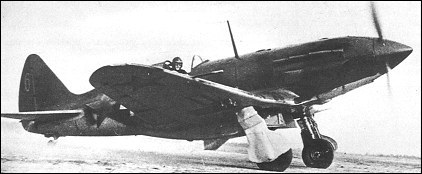
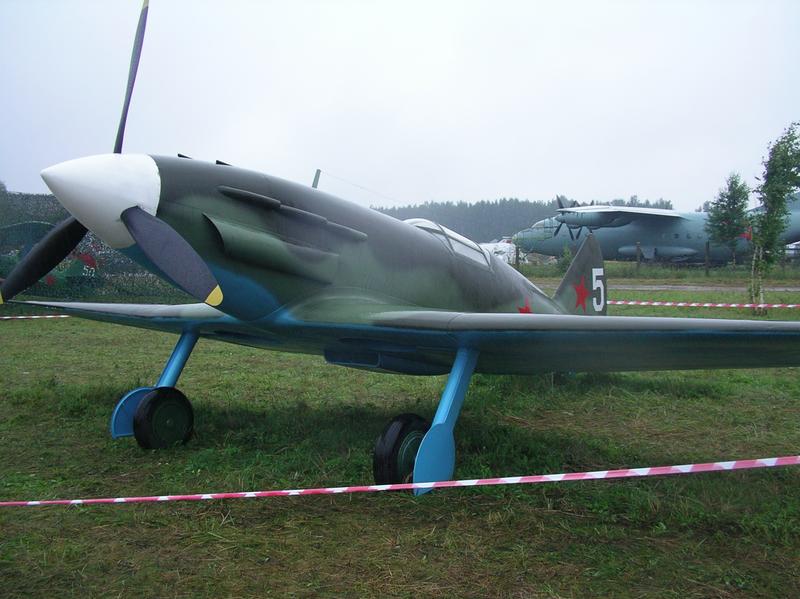
The Mikoyan‑Gurevich MiG‑3 was a Soviet single‑seat fighter developed on the eve of the Second World War and placed into service with the Soviet Air Force in 1941. Designed by the OKB led by Artem Mikoyan and Mikhail Gurevich, the type sought to provide high‑altitude interception capability and greater speed than earlier domestic types. Contemporary summaries and museum displays often refer readers to additional reference material, for example MiG‑3 overview.
Image gallery
4 Images

Design and characteristics
The MiG‑3 followed an inline‑engine, streamlined layout optimized for performance at altitude. It used a high‑power, altitude‑tuned piston engine and a relatively slender fuselage with long wings to sustain speed and climb at greater heights. Cockpit placement emphasized forward visibility for the era, while fuel and armament choices reflected a balance between range and firepower.
- Role: high‑altitude interceptor and air superiority fighter.
- Powerplant: an inline, high‑performance piston engine optimized for higher altitudes.
- Armament: forward‑firing machine guns and cannon(s) in various early production fits.
- Flight qualities: fast and stable at altitude but less maneuverable and slower to accelerate at the low levels where most Eastern Front combat occurred.
Operational history
When the German invasion began in 1941, many MiG‑3s were committed to front‑line units. The type’s strengths — speed and climb at altitude — were not ideally matched to the tactical environment on the Eastern Front, where dogfights and ground‑attack missions often occurred at low to medium altitudes. Pilots and commanders adapted by employing the aircraft in roles that played to its strengths, including high‑altitude patrols and interception. Over time, more versatile low‑altitude fighters replaced it in many squadrons.
Variants, adaptations and legacy
Derived from earlier design work by the same bureau, the MiG‑3 spawned several modifications and field adaptations. Some airframes were converted for reconnaissance, training, or night operations as operational needs changed. Although its front‑line service life was relatively brief compared with later wartime fighters, the MiG‑3 contributed valuable design and combat experience that influenced subsequent Mikoyan‑Gurevich fighters.
Today the MiG‑3 is remembered for its specific niche: a high‑altitude interceptor built rapidly as wartime demand grew. Surviving examples are exhibited in aviation museums and are studied by historians interested in early wartime Soviet aircraft design and the evolution of fighter tactics on the Eastern Front.
Author
AlegsaOnline.com Mikoyan-Gurevich MiG-3 Leandro Alegsa
URL: https://en.alegsaonline.com/art/64898