
Michel Delpech — French singer-songwriter (1946–2016)
Michel Delpech was a prominent French singer-songwriter known for melodic pop and chanson hits from the 1960s onward, including 'Wight Is Wight' and 'Pour un flirt'. He recorded widely and also acted.
Michel Delpech (born Jean-Michel Delpech, 26 January 1946 – 2 January 2016) was a French singer-songwriter and occasional actor whose career began in the mid-1960s. He became one of France's recognizable pop and chanson performers, recording thirteen studio albums and releasing more than fifty singles over several decades. His repertoire combined accessible melodies with narrative lyrics that appealed to a broad public.
Image gallery
2 Images
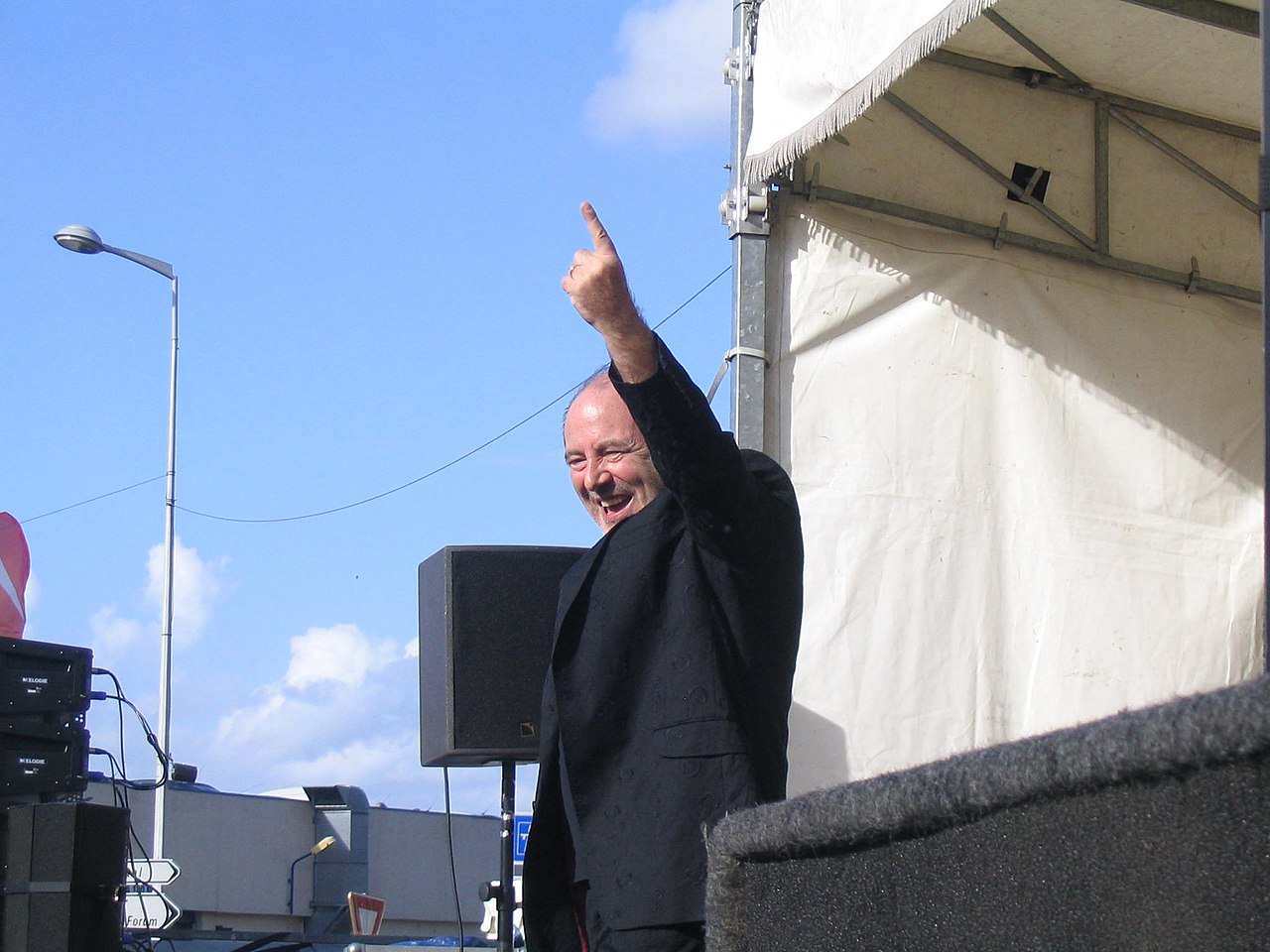
Musical style and themes
Delpech's music sat at the crossroads of French chanson and mainstream pop. His songs often featured warm, melodic arrangements and direct, story-driven lyrics about love, everyday life and youth culture. While rooted in the chanson tradition, his work embraced contemporary pop instrumentation and production, helping his songs reach radio audiences beyond the chanson faithful.
Career highlights
He began recording in 1964 and achieved national fame with a string of popular singles in the late 1960s and early 1970s. Among his best-known songs are Wight Is Wight and Pour un flirt, which enjoyed wide airplay and enduring recognition in French popular music. Over his career he issued multiple albums, toured, and adapted his sound to changing tastes while keeping a recognizable vocal and lyrical identity.
Selected songs
- Wight Is Wight
- Pour un flirt
- Other popular singles from the 1960s–1970s
Later in life Delpech also took on acting roles, appearing for example in the 2011 film The Beloved. He remained a familiar name in French culture through occasional performances and media appearances.
Personal life and legacy
Born in Courbevoie, in the département of Hauts-de-Seine, he was married twice: first to Chantal Simon (divorced 1976) and later to Geneviève Garnier-Fabre in 1985; he had three children. Delpech died of throat cancer on 2 January 2016 in Puteaux at the age of 69.
Today Delpech is remembered for his contribution to French popular song: a body of well-crafted, melodic tunes that captured moments of postwar and late-20th-century life in France. His best-known recordings continue to be played and covered, and they occupy a place in the repertoire of modern French chanson and pop.
Related articles
Author
AlegsaOnline.com Michel Delpech — French singer-songwriter (1946–2016) Leandro Alegsa
URL: https://en.alegsaonline.com/art/64518
Sources
- lexpress.fr : "Michel Delpech est mort"