
Merton College, Oxford: history, architecture, and academic life
Merton College, founded by Walter de Merton in 1264, is a historic constituent college of the University of Oxford with medieval buildings, notable architecture such as Mob Quad, and a long academic tradition.
Overview
Merton College is one of the constituent colleges of the University of Oxford. Established in the 13th century, it is widely regarded as one of the oldest continuously operating colleges in Oxford. The college combines medieval buildings with later additions and remains an active centre for teaching, research and student life within the university.
Image gallery
10 Images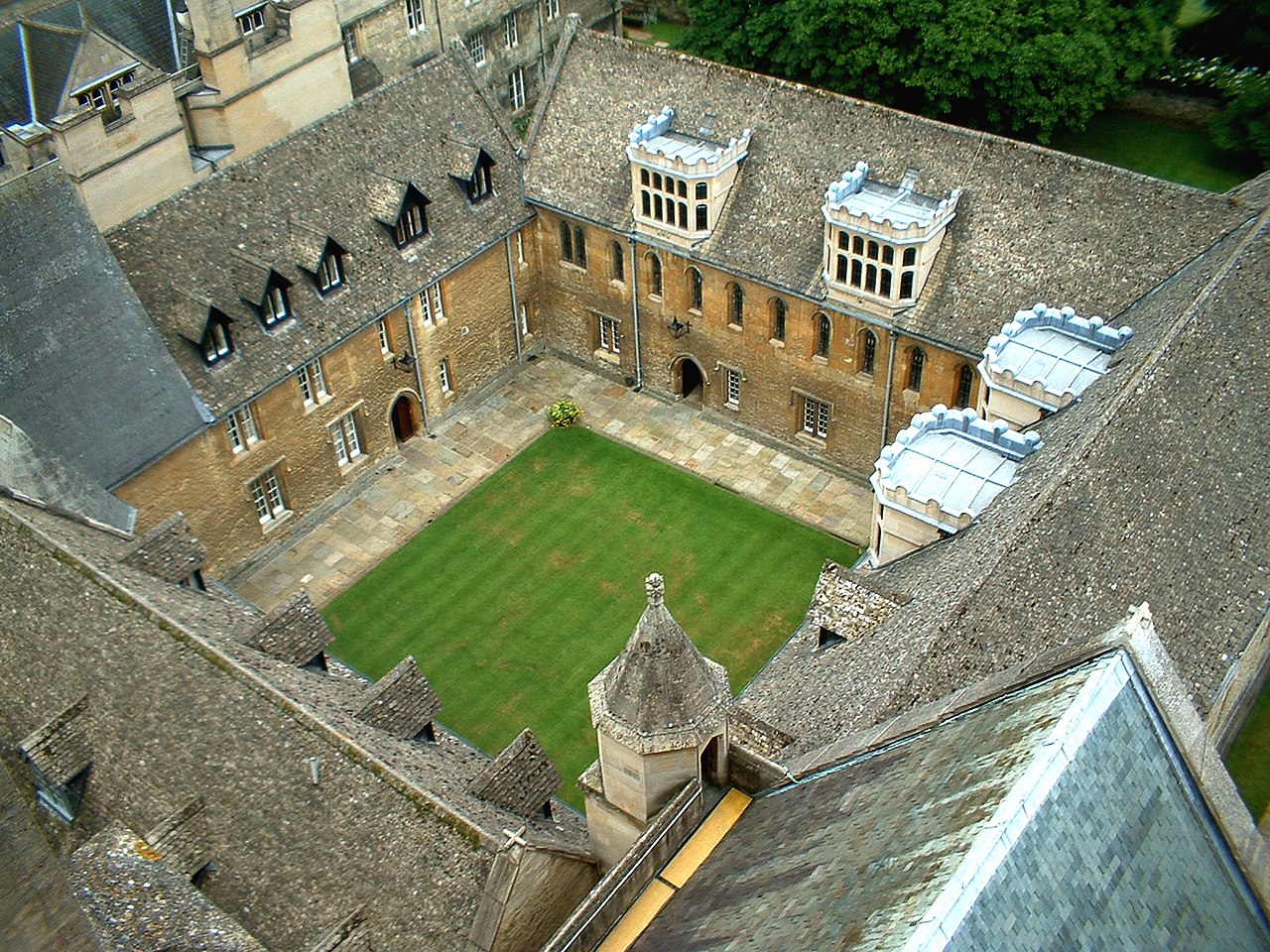


Founding and early history
The college was founded by Walter de Merton, who served as a royal chancery official and later as chancellor to English kings; his role is frequently noted in accounts of the college's origin (Walter de Merton). His statutes laid down a framework for communal academic life and governance that influenced the development of the collegiate system in England. The conventional foundation date given for Merton is 1264, though several other Oxford colleges assert rival claims to being the oldest. Balliol and University College are two such institutions often cited in those discussions, and the basis for different claims usually rests on distinctions among date of foundation, continuous endowment and the nature of early charters (Balliol College, University College).
Architecture and college grounds
Merton's built environment preserves substantial medieval fabric alongside later college architecture. One of its best-known features is Mob Quad, a four-sided court often described as one of the earliest purpose-built quadrangles at Oxford or Cambridge; it dates from the 14th century and is frequently highlighted in architectural histories. Other notable parts of the college include its chapel, hall and a historic library collection, all set within courts and gardens that retain a sense of the college's medieval origins. The college's library and archives hold manuscripts and records that reflect centuries of academic life.
Academic life, traditions and notable associations
Merton supports undergraduate and graduate teaching across a range of disciplines, with fellows who combine research and tuition. The college participates fully in university examinations, tutorials and seminars, and it hosts public lectures, concerts and formal events throughout the year. Among the college's well-known academic associations is the writer and scholar J. R. R. Tolkien, who served as Merton Professor of English Language and Literature and had close links with the college during his tenure. Beyond individual figures, Merton has produced generations of graduates and maintained a lively tutorial and collegiate community.
Governance and legacy
From its foundation, Merton introduced statutes and a model of self-governance that were significant in the evolution of collegiate life at Oxford. The college is governed by a body of fellows and a head of house, and its endowments and properties have allowed it to operate continuously through changing historical periods. Debates about which Oxford college is the "oldest" reflect different historical criteria, but Merton's claim rests on its documented foundation, early statutes and long-standing institutional continuity.
Visiting and public engagement
Merton College receives visitors for guided tours and concerts, and its courts and gardens are a frequent stop for those exploring Oxford's historic core. The college also engages in research dissemination and cultural events, connecting its medieval heritage with ongoing academic work. For readers seeking more background on the university as a whole or on the other colleges mentioned above, see the linked institutional pages provided here.
Related articles
Author
AlegsaOnline.com Merton College, Oxford: history, architecture, and academic life Leandro Alegsa
URL: https://en.alegsaonline.com/art/64035